Ministry of Trade and Industry stresses that forced labour is criminalised in Singapore
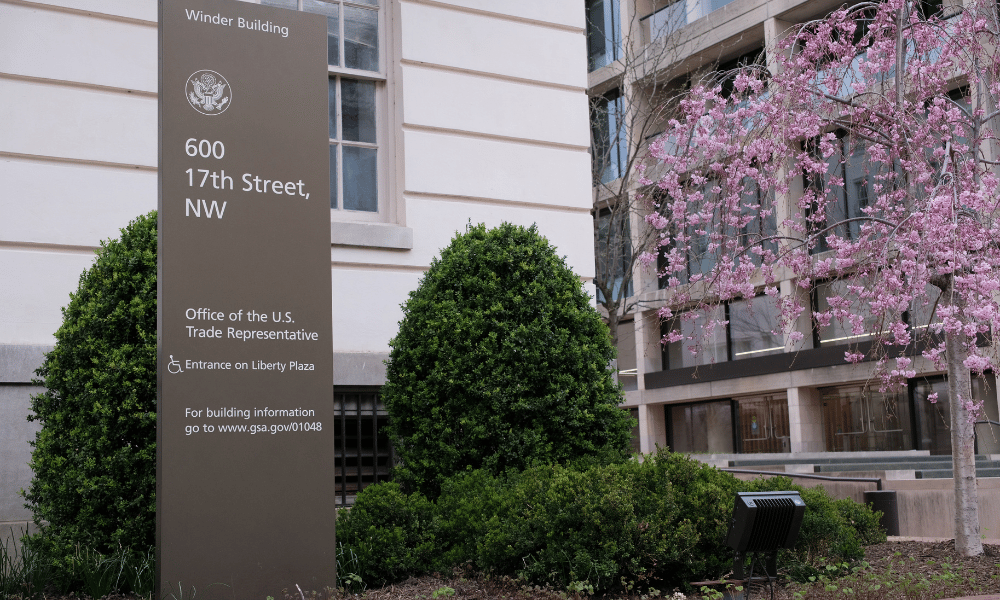
Singapore has maintained that it does not condone the use of forced labour in supply chains, as the United States launches a hearing on its latest plan to impose tariffs on major trading partners.
The US Trade Representative (USTR) is proposing new 12.5% tariffs on Singapore and 53 other economies after its probe found that it failed to impose and effectively enforce a prohibition on the importation of goods produced with forced labour.
Six economies, including Canada, Ecuador, the European Union, Indonesia, Mexico, and Pakistan, are also facing a proposed 10% tariff for failing to effectively enforce a prohibition on the importation of goods produced with forced labour.
The hearing for these proposed levies started on July 7 in the United States.
Forced labour is criminalised in Singapore
On the same day, Singapore's Ministry of Trade and Industry (MTI) published online its written statement to the USTR regarding its allegations.
"Singapore has not adopted any acts, policies, and practices which are unreasonable or discriminatory, or which have burdened or restricted U.S. commerce," the MTI statement read.
"Furthermore, there is no evidence of Singapore's role in the supply chains of goods associated with forced labour exported to the U.S. This is corroborated by data from the U.S. Department of Labor and the U.S. Customs and Border Protection."
The ministry maintained that it does not condone the use of forced labour in supply chains, adding that its import regulations are consistent with international rules and practices.
"Forced labour is criminalised in Singapore, and we have a comprehensive regulatory framework and good track record against such illegal practices within our borders," it added.
The ministry's remarks echo its previous statement in April that also rejected the USTR's claims.
"Singapore has an effective implementation model underpinned by tripartism where workers have channels to advance their rights and whistle-blow, and businesses know their responsibilities and are held accountable," it previously said.
The proposed new levies in the United States come after US President Donald Trump's reciprocal tariffs were struck down by the US Supreme Court in February.
Trump's response to the ruling was a 10% tariff under Section 122 of the Trade Act, but this is set to expire later this month.