Eight clients called asking why their fees were public. Then the receipts arrived
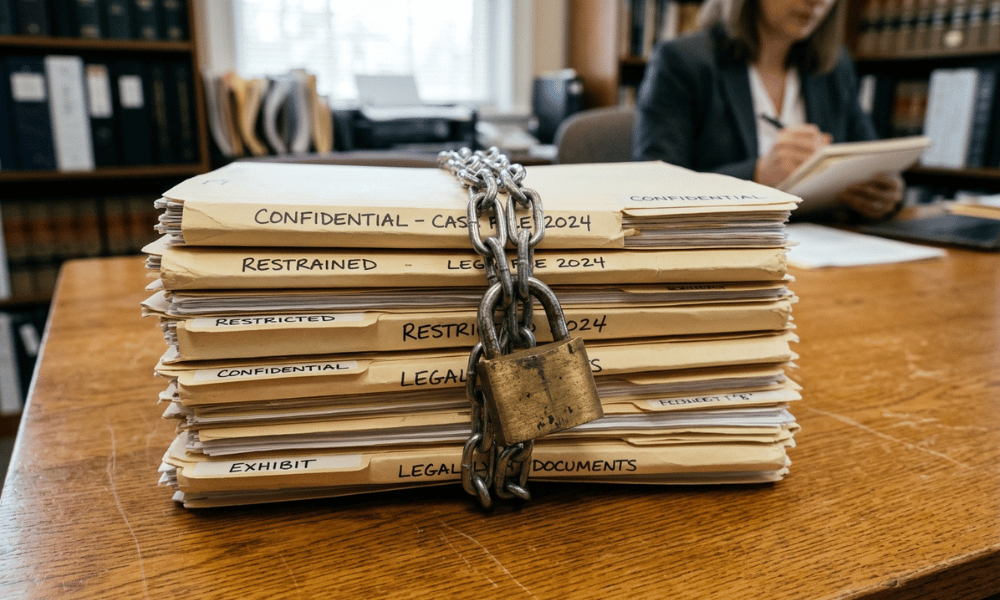
A former lawyer at global firm Latham & Watkins has been ordered to hand over confidential client files she used in her own dismissal claim - and banned from disclosing them until trial.
The Hong Kong High Court issued the orders on October 30, 2026, with written reasons published on November 6. The court found the firm had raised enough of a case on breach of confidentiality across five categories of sensitive information to justify locking the material down while the dispute heads to trial.
The former lawyer joined Latham & Watkins in Hong Kong in November 2015 as a registered foreign lawyer. She was promoted to Counsel in January 2021. The firm terminated her employment on June 4, 2024, giving three months' notice.
In February 2025, she filed a claim in the Labour Tribunal for constructive dismissal and breach of contract. By December 2025, she had escalated the matter to the High Court with a writ and statement of claim.
That filing is where things unravelled.
The statement of claim set out detailed billing data - legal fee amounts, collection figures, and the allocation of origination and proliferation credits across specific client mandates between 2020 and 2024. It named the firm's clients on restructuring and debt capital markets deals, identified institutional investors sitting on confidential creditor groups, and included the names and professional details of individuals at third-party institutions who had no part in the dispute.
A media report about the claim appeared on January 6, 2026. According to the decision, the firm produced evidence that at least eight clients had contacted the firm to ask why confidential fee information had been disclosed. One existing client raised the litigation as a reason not to engage the firm. A bank selected another firm for a debt capital markets mandate because of concerns arising from the proceedings.
A consent order sealed the writ and statement of claim on January 9, 2026. But the firm pushed further. In April 2026, it applied for a court order restraining the former lawyer from using or disclosing the information, along with an order requiring her to hand everything back.
The firm's case turned on the three recognised elements of a breach of confidence claim: that the information was confidential, that it was received under an obligation of confidence, and that it was used without authorisation to the detriment of the party that shared it.
On confidentiality, the court found a serious question to be tried across all five categories. Even where the former lawyer argued she had compiled some figures from her own knowledge and recollection, the court noted that having authorised access to information during employment does not strip away its confidentiality once the employment ends.
Then came the policy trail.
The firm pointed to its Confidentiality of Information Policy, which required all lawyers and staff to protect confidential information about the firm's business, clients, partners, and personnel - and made clear the obligation survived departure.
In her first sworn statement, the former lawyer said she had never been provided with, and had never seen, the policy. The firm produced evidence to the contrary. Between November 2015 and May 2023, she had electronically acknowledged the firm's Acceptable Use of Technology Systems Policy on nine separate occasions - confirming each time that she had read, understood, and would comply with it. From 2019, that technology policy expressly identified the Confidentiality of Information Policy among the firm's policies it required compliance with.
Shortly before the hearing, she filed a second sworn statement confirming she had in fact acknowledged the technology policy. She said she had not read the policies in detail and did not recall them when she made her first statement.
Separately, the firm produced evidence that some emails identified by the former lawyer had been forwarded to her personal Gmail account and to her husband's Gmail account. In oral submissions, she accepted that some of the emails she had identified contained confidential information.
On damages, the court held that once confidential information enters the public domain, the loss cannot be reversed. Given the evidence of client fallout and lost business, money alone would not fix the harm.
The court granted both orders. The former lawyer is restrained from using or disclosing the information until trial. She must deliver a complete set of all documents containing the identified information to Deacons, the firm's solicitors, within 14 days. Deacons is required to preserve the documents and advise the firm on what must be disclosed through the court's ordinary process going forward.
The former lawyer had argued that handing over the documents would destroy evidence and prevent her from proving her case. The court disagreed, noting that an employee anticipating litigation cannot justify taking or copying confidential documents for their own retention - they must rely on the court's disclosure process, even if they distrust their employer's willingness to comply.
She was also ordered to file a sworn statement confirming compliance and that she holds no further copies of the information in any form.
For HR teams managing sensitive exits, the case puts a fine point on something that often gets treated as a formality: policy acknowledgment records. Nine electronic sign-offs gave the firm the evidence it needed when the former employee's recollection proved selective.