As cost-of-living pressures mount and hiring slows, one HR leader explains how Australian organisations can retain talent and build workforce resilience heading into FY27
Employee disengagement rarely announces itself. It builds quietly, through missed meetings, a reluctance to raise a hand, a gradual retreat from colleagues, until one day, a valued team member is gone.
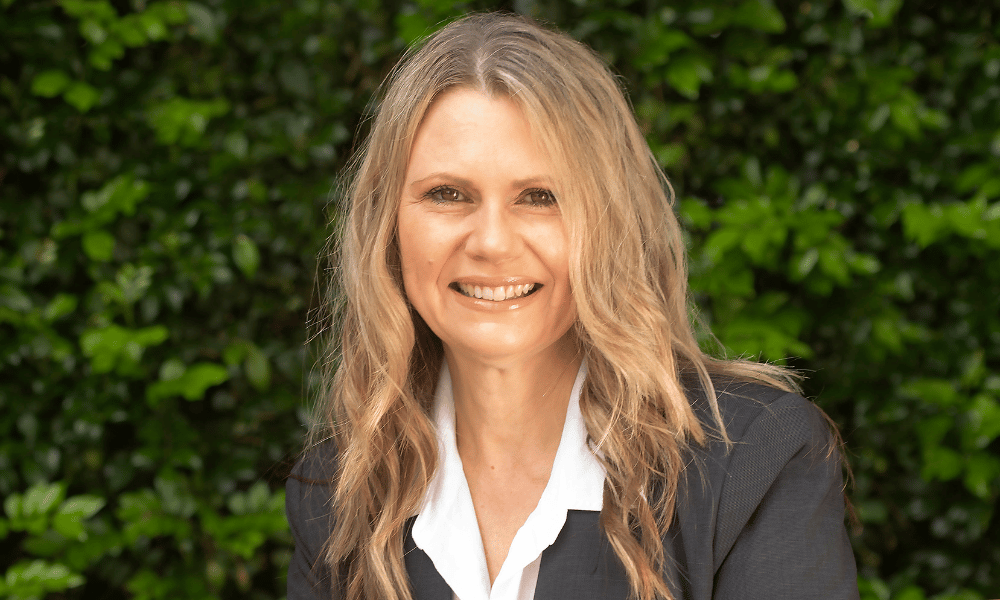
For Julie Statevski, group general manager of human resources, people and culture at SKG Services, recognising those early signals before they become exit interviews is the defining challenge for people leaders right now.
With more than 20 years of HR leadership experience across the facilities management sector, Statevski has seen firsthand how quickly a disengaged workforce can erode organisational performance.
"Body language speaks louder than words and is a giveaway that signals red flags," she explained.
The warning signs, Statevski noted, are consistent: reduced participation in team discussions, reluctance to volunteer for additional responsibilities, increased absenteeism or lateness, declining work quality, and withdrawal from colleagues.
Reduced interest in training or career development opportunities is another indicator that often goes unnoticed by managers focused solely on output.
"Communication is key – regular check-ins, stay interviews, employee surveys, and proactive manager engagement are critical in identifying these warning signs before they result in turnover or performance issues," she said.
Supporting staff through financial hardship
With cost-of-living pressures continuing to place pressure on workers, Statevski argues that organisations don't need to spend big to make a meaningful difference.
Flexible work arrangements, such as adjusted start and finish times, or additional shifts where operationally feasible, can help employees manage financial and personal commitments without placing significant burden on the employer.
She also urges HR leaders to review existing benefits before investing in new ones. Many employees, she said, are unaware of the support programs already available to them, including Employee Assistance Programs (EAPs), staff discounts, wellbeing initiatives, and leave entitlements.
"Employers should review existing employee benefits to ensure staff are aware of available support programs," said Statevski.
When employees do raise concerns about money or job security, Statevski is clear: transparency and communication are non-negotiable. Managers must listen carefully, acknowledge concerns, and provide factual information about the organisation's position, without making commitments they cannot keep.
"Employee well-being is important, and employers should provide support services, including EAP," she said. "Offering internal opportunities, training programs, and flexible work arrangements where possible."
Why internal development matters more when hiring slows
When external recruitment slows, as it did across many industries in 2025 and into 2026, Statevski said the organisations that fare best are those that have already invested in their existing workforce.
Internal development, she argues, does more than fill skills gaps. It creates clear career pathways, strengthens succession planning, and signals to employees that the organisation is committed to their growth. In the facilities management sector, that pathway is well established.
"This path has been proven within our industry in particular, with employees starting on the field and working up to corporate positions or supervisor or manager positions," Statevski added.
Recognition programs are equally important, particularly during periods of constraint. Statevski pointed to monthly recognition awards as a tangible, low-cost mechanism for reinforcing positive behaviours and increasing engagement.
"Monthly recognition awards are encouraged for our managers to reward staff – even most improved," she says.
Using EOFY reviews to reset and plan ahead
As organisations move through the end of the 2025–26 financial year, Statevski sees the end-of-financial-year (EOFY) review process as a critical opportunity – not just an administrative exercise.
"EOFY reviews are all about communication: what's working, what is not working," she said.
The organisations best placed for FY27 will be those that use this period to examine workforce risks, invest in leadership development, and double down on employee engagement. Recognition and reward are central to that strategy.
"The most successful organisations in FY27 will be those that remain focused on employee engagement, proactive workforce planning, leadership development, and open communication," Statevski explained. "By investing in employees, recognising contribution and rewarding them, and identifying workforce risks early."