Latest Stats NZ data shows changes in how people were employed
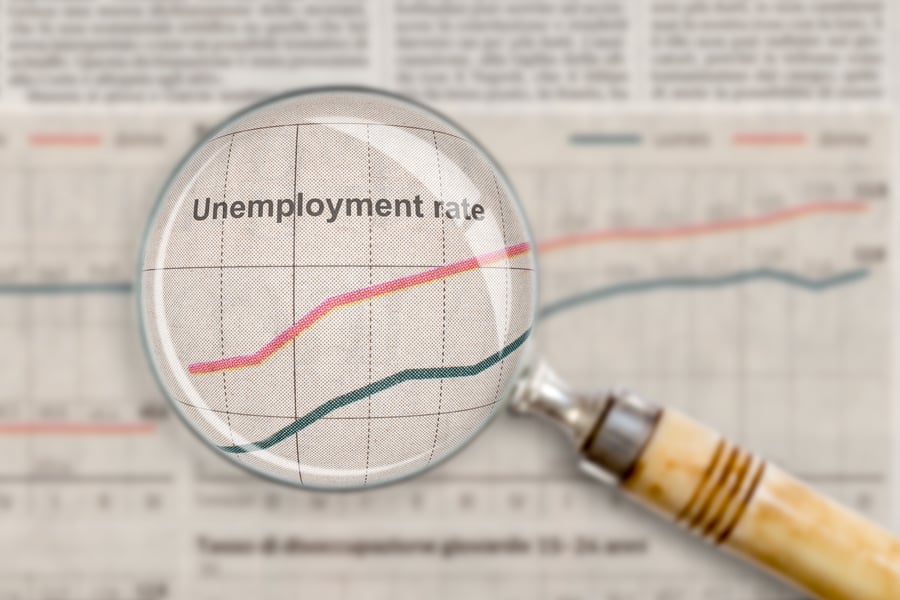
New Zealand's unemployment rate saw a modest increase in the September 2026 quarter, according to the latest data from Stats NZ.
There were 174,000 unemployed people in the September 2026 quarter, equivalent to a 5.7% unemployment rate for the period, higher than the June quarter's 5.6%.
The underutilisation rate, which covers unemployed people, the potential labour force, and people who are underemployed, remained at 13.8%.
According to Stats NZ, there were 438,000 underutilised people in the September quarter. Underutilisation is a broader measure of untapped labour market capacity than unemployment.
The latest data comes in the wake of recruitment caution exercised by employers despite growing economic confidence during the September quarter. Findings by the New Zealand Institute of Economic Research (NZIER) showed a further lift in business confidence, but five per cent of firms reported that they had cut staff numbers during the period.
Firms also reported that it was "more difficult to hire skilled workers in the September quarter, while only a small proportion of firms reported it being easier to find unskilled workers."
"Although demand remains soft overall, these developments point to signs that spare capacity in the New Zealand economy is dissipating," the NZIER report read.
A "sizeable proportion" of firms, however, expect to increase staff numbers in the next quarter, according to the report.
Employment rate
Overall, there were 2,891,000 employed people in [the] September 2026 quarter, according to Stats NZ, keeping the country's employment rate at 66.4%.
Abby Johnston, Stats NZ labour market spokesperson, pointed out that despite the lack of significant change in the figures, there were differences in how people were employed.
"Casual and fixed-term roles increased over the year, while there was a shift towards part-time employment over the quarter," Johnston said in a statement.
Casual employees went up by 19,100 (19.5%) to 116,900 over the year, while fixed-term employees went up by 8,100 (18.9%) to 50,900.
"Over the quarter, there was an increase in the proportion of people working part-time, which contributed to a decrease in both usual and actual hours worked," Johnston added.
Earnings rise
Meanwhile, all salary and wage rates (including overtime), as measured by the labour cost index, increased 2.1%, according to Stats NZ.
Average ordinary time hourly earnings, as measured by the Quarterly Employment Survey (QES), rose 2.9% to $44.86 in the year to the September 2026 quarter, up from 2.8% in the previous quarter.