New report warns of looming people challenges amid growing AI adoption

Most businesses in New Zealand are now adopting artificial intelligence tools, but only a few of them are letting HR leaders lead the transformation, according to a new report.
Findings from the latest poll among 300 members of the Employers and Manufacturers Association (EMA) revealed that 83% of small and medium-sized businesses are already using AI tools.
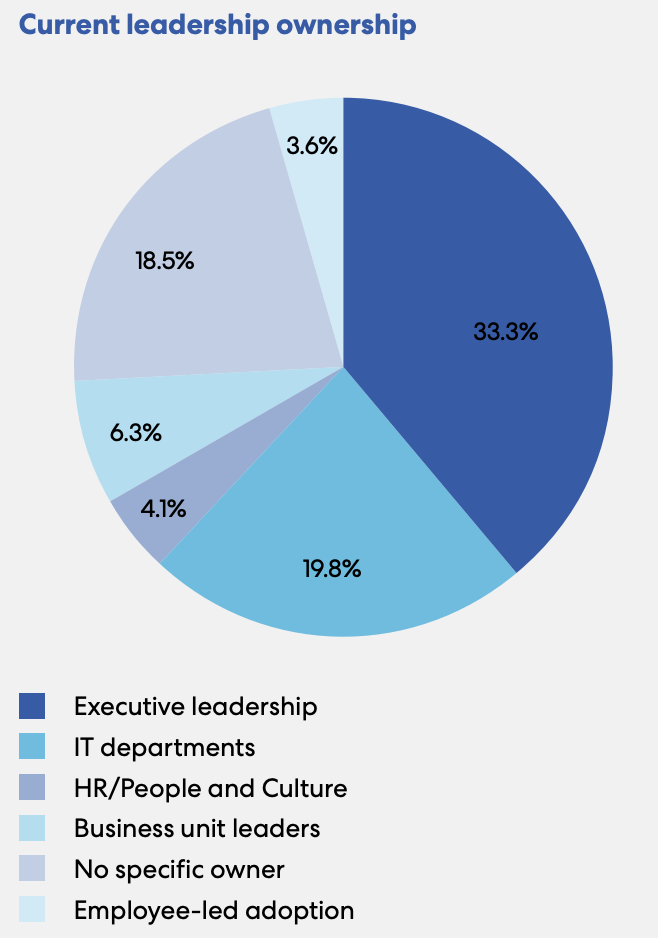
However, just four per cent of the businesses surveyed said their HR team is leading the AI adoption.
According to the report, AI is led by leadership teams in 33% of companies, and led by IT departments in 20% of the businesses surveyed.
The widespread AI adoption comes as the New Zealand government launches investments to encourage small businesses to take advantage of AI tools.
But Lisa Dean, EMA Head of Marketing and Transformation, said their findings indicate a significant shift in the conversation around AI.
"Many businesses have been experimenting with tools, but they're now reaching a point where they need to think more strategically about how people develop new skills, and how leadership supports that transition," Dean said.
Potential people challenges underway
The EMA is concerned that the lack of HR-led AI adoption will lead to people challenges in the workplace, particularly on workforce planning and capacity-building needed to support AI adoption.
The report already found that only 13% of companies surveyed have an AI policy in place.
"AI may help people work more efficiently and uncover new insights, but it is people who provide the context, make the decisions, build relationships, and drive innovation," Dean said.
She stressed that human skills, such as critical thinking, judgment, creativity, communication, adaptability, and leadership, will increasingly distinguish high-performing talent and organisations.
Businesses that will focus on developing these human capabilities, alongside AI adoption, will be better positioned to improve productivity, adapt to change, and create long-term value, according to the EMA official.
"Success will come from those that take a deliberate and integrated approach, aligning technology with workforce capability, embedding robust governance, redesigning work effectively, fostering leadership that understands both risk and opportunity, and building trust across their people and stakeholders," the EMA's report read.
The findings form part of EMA's Workforce 2030 White Paper, which explored the emerging AI trends in New Zealand's business landscape.