‘Retirement is just another transition, and if we approach it collaboratively, it can be beneficial for both the individual and the business’
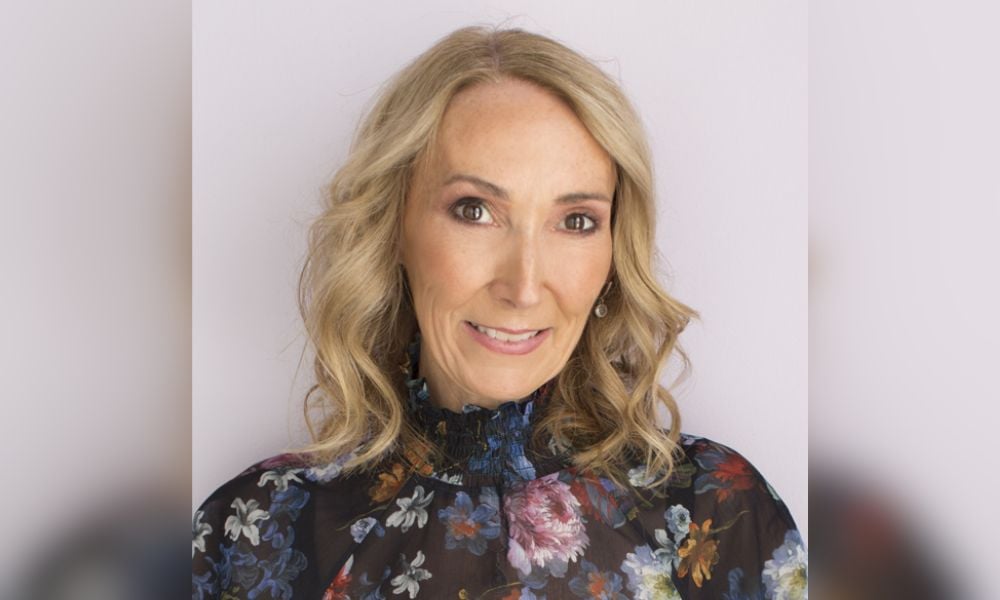
Retirement planning is becoming a critical issue for HR professionals, with unstructured exits by older workers driving succession risk, safety exposure and employer‑brand damage, according to one expert.
While organisations have clear processes for onboarding, resignation and redundancy, retirement is often left to chance, Sandy Hutchison, founder and CEO of Career Money Life, tells HRD NZ.
“In many organisations, retirement is still handled informally, without the structure we apply to other parts of the employee lifecycle,” she says.
She warns this creates problems for both sides of the employment relationship. “We see employees who are thinking about transitioning to retirement but are unsure if they’re ready, and unsure if they’re financially ready.
“At the same time, employers know it is coming, but are hesitant to raise it.”
Hutchison argues retirement should be treated as a normal, planned phase of employment. “Everyone who joins an organisation will eventually leave,” she says. “Retirement is just another transition, and if we approach it collaboratively, it can be beneficial for both the individual and the business.”
A third of Kiwis who are at the age of 65 are still at work, according to a previous report, indicating the changing nature of retirement across New Zealand.
‘Awkward standoff’ when no one raises retirement
Hutchison says many employers avoid raising retirement for fear of being seen as discriminatory, even when the issue is clearly on the horizon.
“Organisations are often worried that asking about retirement plans will be perceived as pushing someone out,” she says. “As a result, managers steer away from the subject altogether.”
The consequence is what she describes as an “awkward standoff”, where both parties remain silent. “The employee does not initiate the conversation, and the organisation does not initiate it either. That silence removes the opportunity for orderly handovers and long‑term workforce planning.”
She notes that retirement is just as predictable as hiring and turnover, and should be treated accordingly. “We put a lot of energy into how people join the organisation,” Hutchison says. “We need the same level of thought about how people leave, especially when we can see that transition coming years in advance.”
Safety, succession and culture all on the line
Unplanned retirements can create immediate operational and financial risks, particularly in physically demanding roles. “If someone is in a physically intensive role, such as mining or construction, the risk of injury generally increases as they age,” Hutchison says. “That has consequences for work over costs, insurance premiums and, most importantly, for the wellbeing of the worker.”
A lack of visibility on retirement intentions can also derail succession planning. “If you know a critical employee is likely to retire in the next couple of years, you can put mentoring, knowledge transfer and a clear succession pathway in place,” she says. “If you do not know, you are forced into reactive hiring and rushed handovers.”
Hutchison links retirement practice directly to culture and employer brand. “How you treat long‑serving employees at the end of their careers is noticed by everyone else,” she says. “When older workers are treated with respect, given flexibility and supported through the transition, it sends a strong message to younger staff about the kind of organisation you are.”
Longer retirements, shared responsibility – and a planned transition
The nature of retirement itself has changed, Hutchison notes, making proactive preparation more important. “We are no longer talking about a short period of rest after work,” she says. “For many people, retirement can now last 20 or 30 years, which changes how they need to plan financially and emotionally.”
New Zealanders are entering the workforce earlier and leaving it later in life, according to a previous report.
She describes widespread uncertainty among older workers about money, identity and what comes next, and says employers share responsibility for addressing this.
“If organisations are not providing information, workshops or access to expert advice, employees are left to navigate a very complex transition on their own,” she says.
Hutchison recommends normalising retirement conversations through cohort‑based initiatives for workers over 50, and strongly supports phased retirement rather than “cliff‑edge” exits. “Moving straight from full‑time work on Friday to full‑time retirement on Monday can be a real shock,” she says. “Stepping down gradually gives people space to adjust while still contributing to the business.”
She says HR should embed retirement support into formal people strategy. “This should sit alongside your leadership, wellbeing and talent programmes,” Hutchison says. “When you do it well, you reduce costs, retain knowledge and create opportunities for the next generation. But it needs a deliberate framework – it will not happen by accident.”
Employers play a critical role in enhancing employees' financial wellbeing amid the workforce's growing concerns about retirement, according to a previous report.