Timing undermines employer’s entire argument in Auckland dismissal case
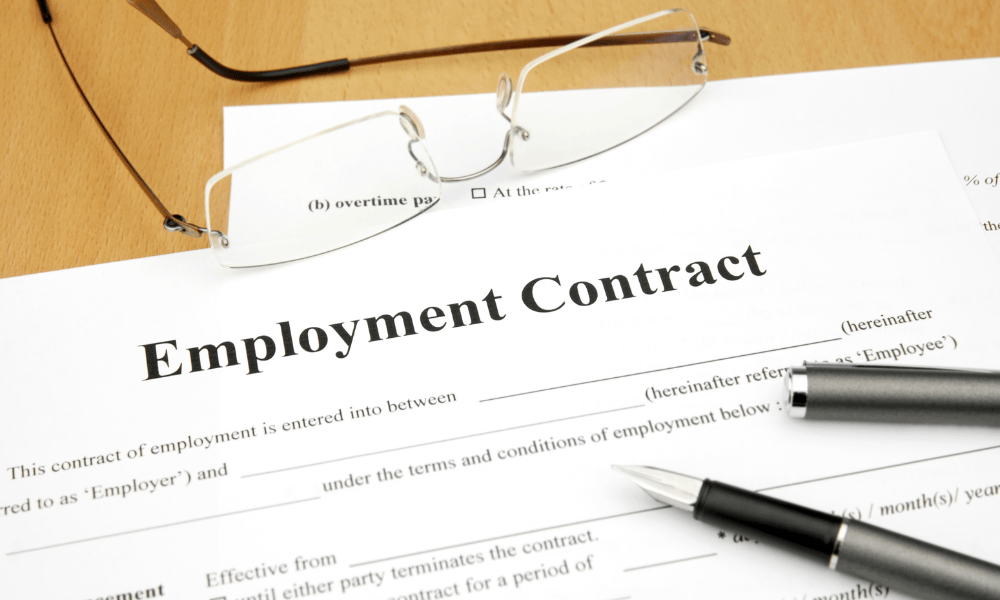
A New Zealand warehouse signed an employment contract two months late, then used it to fire a worker. That timing error just cost $27,600.
The case, decided by the New Zealand Employment Relations Authority on February 2, 2026, demonstrates how documentation delays can unravel an employer's entire legal position, especially when fixed-term agreements are involved.
Yifu Jiang started working as an office clerk at Smartrade Limited's Auckland distribution warehouse on October 2, 2023. He repeatedly asked for a written employment agreement, which he needed for his accredited employer work visa. He finally received one on December 6, 2023, already signed by management and requesting his signature.
The agreement stated it would take effect on December 11, 2023, and included a clause allowing either party to terminate the employment on December 11, 2024 by giving two weeks' notice. On November 11, 2024, owner Vicky Lin emailed Jiang to inform him the company would not renew his contract when it expired. The email cited "due to the unexpectedly low market conditions, daily sales at the Wellsford Branch have not been sufficient to cover routine expenses, including staff wages."
Jiang challenged the dismissal. The Authority agreed he was unjustifiably dismissed, finding that Smartrade failed to meet statutory requirements for a lawful fixed-term agreement on multiple fronts.
The problems started before the contract was even signed. There was no evidence that genuine reasons for the fixed-term were discussed with Jiang beforehand. New Zealand law requires employers to have genuine reasons based on reasonable grounds before entering a fixed-term arrangement, and to communicate those reasons to the employee in advance.
The written agreement itself had a fatal flaw. While it stated when the employment would end, it never explained why. This is a mandatory requirement under the Employment Relations Act.
Member Marija Urlich accepted Jiang's account that the fixed-term provision was never drawn to his attention when he received the pre-signed document. Without evidence to the contrary, the Authority found no proof that Smartrade had communicated any reasons for the fixed-term before Jiang signed.
Even if the fixed-term had been valid, the Authority found the dismissal unjustified on procedural grounds. Jiang received no opportunity to respond to the proposal to end his employment. The decision emphasized that employers "must deal with each other in good faith," which requires parties to be "responsive and communicative" and comply with procedural fairness requirements.
Smartrade attempted a counterclaim with eight separate allegations against Jiang, including being missing for over an hour during work, loitering with hands in pockets, incomplete duties, and downloading confidential information. The Authority rejected every claim, finding insufficient evidence and noting that performance concerns were never raised with Jiang during his employment.
The Authority ordered Smartrade to pay Jiang $15,600 in lost wages for 13 weeks and $12,000 for humiliation, loss of dignity and injury to feelings. Jiang had sought medical help and medication for stress after losing his job while supporting a young family.
What this means for employers managing employment contracts is straightforward. Fixed-term agreements require advance planning and clear documentation of legitimate business reasons. The agreement itself must state both when and why the employment will end. Providing an employment agreement after someone has already started work undermines the ability to prove these requirements were met. And regardless of contract terms, employers must still provide procedural fairness before ending any employment relationship.