From Europe to New Zealand, employers are rethinking diversity policy as Washington's anti-DEI agenda goes global
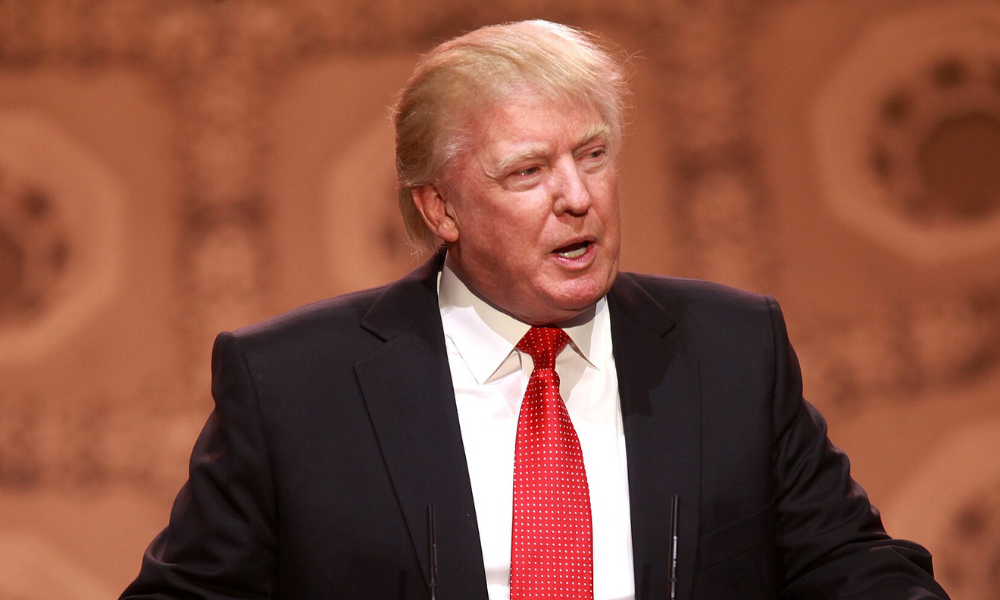
The rollback of diversity, equity and inclusion (DEI) programs driven by US President Donald Trump's executive orders has moved well beyond American borders, with employers as far afield as Denmark, the United Kingdom and New Zealand now recalibrating their approach.
In March 2025, the US administration sent letters to European Union companies doing business with the US government demanding they certify compliance with Trump's anti-DEI executive orders, a move that drew formal pushback from France, Belgium and Spain. The three countries argued the demand conflicted with the EU's own anti-discrimination and equality laws.
Corporate rollbacks now span continents
The pressure has translated into visible policy change well outside the US. Danish toymaker Lego dropped diversity terminology from its annual sustainability report.
In the US, Goldman Sachs said in February 2026 it would strip race, gender identity and sexual orientation from its criteria for identifying board director candidates, extending a retreat that has also included winding back its One Million Black Women program.
The scale of the shift is significant: public DEI disclosure among Fortune 500 companies fell by 65% in 2026, according to analysis reported by POCIT (People of Color in Tech). A separate July 2025 survey by Resume.org found that one in five US companies had scrapped their DEI programmes since Trump's election, with a further 16% expecting to follow within the year.
Oceania is feeling the ripple effect
According to an Aotearoa based chief people office, who chose to remain anonymous, the New Zealand market is moving more slowly than the US, but the cultural shift is unmistakably reaching local boardrooms.
New Zealand's own public service has already moved on the issue, with Te Kawa Mataaho proposing changes to how it resources its central DEI function, though it has maintained its formal commitment to the work.
"There's a real cultural battle," said the CPO. "What is the role of DE and I? Do we care about it? Should we care about it? When is affirmative action discrimination and vice versa? That's coming out of Trump's America ultimately impacting Australia and New Zealand as a result."
A polarising issue with no middle ground
The CPO said the global nature of the backlash has removed the option for organisations to stay neutral on diversity policy.
“You've got to make a choice as a CPO and as a board to say, actually we're choosing to do what we think is the right thing regardless,” they said.
To navigate that choice, people leaders should reinforce the commercial case for reaching the full breadth of the labour market, and a framing built around inclusion rather than exclusion.
"There are commercial benefits to doing it," they said.
Consistency, not performance, protects credibility
Drawing on an earlier career at Vodafone, the CPO said the international pressure makes it more important, not less, for multinational employers to apply diversity commitments consistently across every market rather than retreating quietly from initiatives once they attract political attention.
"We ran an embassy model," they said. "Everybody knew that if you joined Vodafone, no matter what country you were in, it was rainbow friendly … it was known in those countries that you could be yourself inside the doors of Vodafone."
"You've got to be very careful that you're not being performative," they said, pointing to global companies that promote inclusion messaging in some markets while staying silent in others as the kind of approach consumers and employees are increasingly quick to see through.
New Zealand's tight labour market gives local employers a commercial reason to hold their position even as the political weather shifts overseas.
"I can't possibly afford not to encourage the entire workforce of New Zealand to want to work for me," they said – a view echoed by this year's HRD Awards New Zealand finalists, who cited diversity and inclusion as a driver of resilient, future-ready workplaces.