Tense Melbourne feedback meeting and escalating performance concerns led to ERA grievance
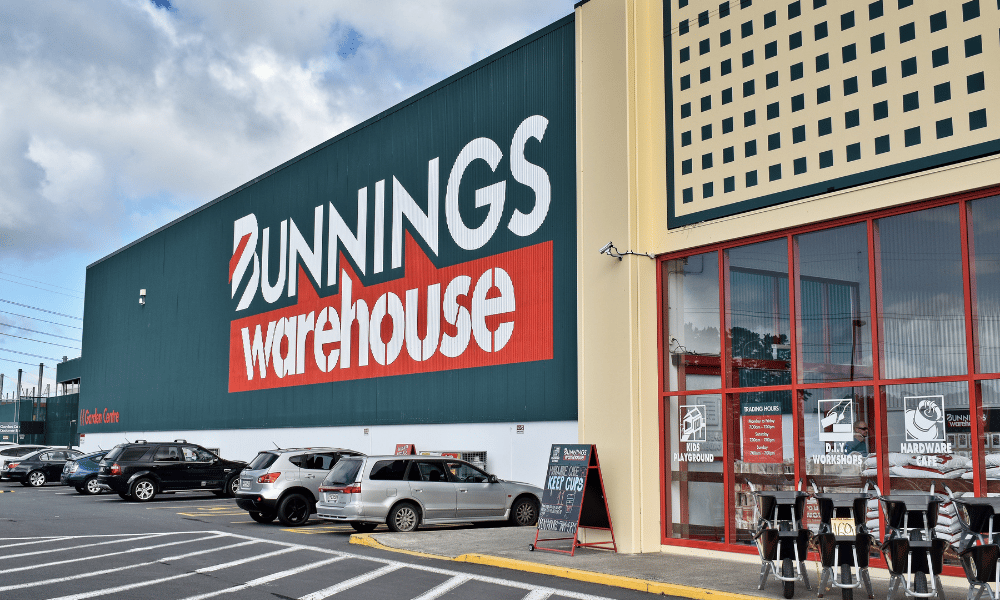
Bunnings Limited unjustifiably disadvantaged its New Zealand People and Culture Manager by failing to properly assess her eligibility for a bonus, the Employment Relations Authority (ERA) has ruled, while rejecting the bulk of her other complaints.
ERA member Matthew Piper found that Bunnings did not follow its own short‑term incentive (STI) procedures for Auckland‑based manager Emily Grinsted, resulting in a loss of bonus income and emotional harm.
The ruling comes after Grinsted, who started with Bunnings in March 2025, alleged she was unjustifiably disadvantaged through how performance concerns were raised, being sidelined from core HR work, not receiving a bonus, not getting a pay rise she said had been promised, and through breaches of contractual and good‑faith obligations.
She also sought special damages for legal fees incurred before filing her claim.
Bunnings denied any breach, arguing it had consistently tried to coach and support a senior employee whose communication style had attracted negative feedback from senior stakeholders in both New Zealand and Australia.
Piper noted that concerns about how Grinsted was perceived were not treated as disciplinary matters.
"None of these concerns were serious, in the sense that they were not disciplinary or otherwise destructive of Bunnings' trust in Ms Grinsted to perform her role," Piper said in the ruling.
"However, they were reasonably viewed by the company as matters that needed to be addressed, if for no other reason than to ensure that Ms Grinsted was able to operate effectively as a senior leader within the organisation."
The determination records a "difficult and tense" discussion in August 2025 in Melbourne, after Australian finance executive Zoe Gill complained she felt attacked by Grinsted during a meeting about a New Zealand restructure.
Grinsted said she felt unfairly criticised and suggested she should "just be given a package," while Rana Obeid, her Melbourne‑based manager, denied ever proposing an exit.
On the key question of how concerns were raised, Piper accepted that Bunnings was entitled to confront the issues and that its written responses via lawyers were "within the range of what a fair and reasonable employer could have done."
He observed that questions posed in an August 2025 letter "created an opportunity for de‑escalation that Ms Grinsted chose not to take."
The Authority also rejected claims that Grinsted had been improperly excluded from work within her remit, finding that isolated instances of Obeid speaking directly to team members or reallocating tasks fell within her managerial prerogative and did not amount to a pattern of undermining.
Handling of STI bonus
The turning point for liability was Bunnings' handling of the STI bonus process. Under the scheme, an employee's performance rating operates as a gate to participation.
Piper found that during the June–July 2025 performance cycle, Bunnings did not engage with Grinsted regarding her performance rating and she was not formally awarded one.
"A fair and reasonable employer would follow its own policies, particularly where they relate to remuneration, and would have allocated Ms Grinsted a performance rating," he wrote.
By failing to input a rating, Bunnings took a step "not something a fair and reasonable employer could have done," and thereby unjustifiably disadvantaged her.
Assessing what would likely have occurred had the process been followed, Piper concluded it was more likely than not that Grinsted would have been treated as having areas to improve and "may have been awarded up to 75% of the individual performance component."
He ordered Bunnings to pay her a pro‑rated bonus of $11,820 (gross) on that basis.
The ERA also awarded $5,000 as compensation for hurt and humiliation under section 123(1)(c)(i), describing this as a modest award reflecting the upset Grinsted experienced when she realised in September 2025 that others had received bonuses and ratings while she had not.