Australia’s jobless rate has dipped to 4.1%, with record hours worked and a surge in youth employment capping off a solid end to 2025
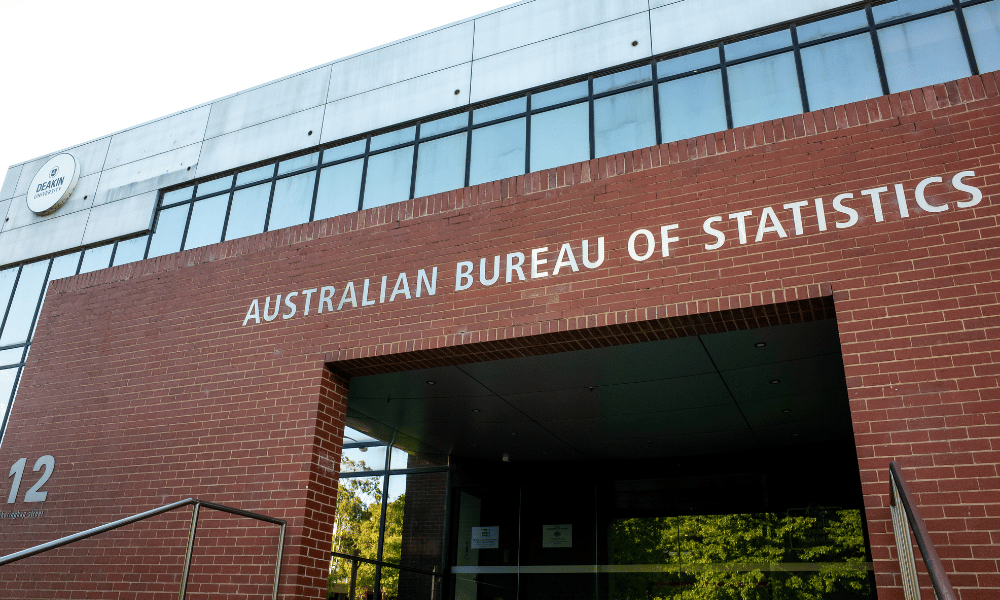
Australia’s unemployment rate edged down to 4.1% in December, with stronger hiring of young people and an increase in hours worked capping off 2025 on a solid note, according to new figures from the Australian Bureau of Statistics (ABS).
Seasonally adjusted employment rose by 65,200 people over the month, taking the total number of employed Australians to 14,684,100. Full-time jobs accounted for the bulk of the gains, climbing by 54,800, while part-time employment increased by 10,400.
ABS head of labour statistics Sean Crick said younger Australians were a key driver of the improvement in the labour market.
“This month we saw more 15–24-year-olds moving into employment, contributing to the rise in overall employment and the fall in the unemployment rate,” Crick said.
The number of unemployed people fell by 29,800 to 628,600 in December, pushing the seasonally adjusted unemployment rate down from 4.3% in November to 4.1%. The participation rate also ticked higher, rising 0.1 percentage points to 66.7%, indicating more people were active in the labour market rather than dropping out.
The December figures show jobs growth was stronger for men than women. Male employment rose by 49,000 over the month, while female employment increased by 17,000.
The strengthening labour market was also reflected in hours worked. Seasonally adjusted monthly hours worked in all jobs rose 0.4% to 2,001 million hours in December – the first time hours have exceeded 2 billion in a single month.
“The number of hours worked was up by 0.4%, in line with the 0.4% rise in employment,” Crick said.
“In December 2025, seasonally adjusted monthly hours worked reached a record high of over 2 billion hours for the first time.”
Spare capacity in the labour market also narrowed. The seasonally adjusted underemployment rate – which captures people who have a job but want and are available for more hours – dropped 0.5 percentage points to 5.7% in December.
Younger workers recorded some of the biggest improvements. The underemployment rate for 15–19-year-olds fell 2.1 percentage points to 17.4%, suggesting that more teenage workers were able to secure additional hours.
Across all ages, the male underemployment rate fell by 0.8 percentage points to 4.6%, while the female rate edged down 0.1 percentage points to 6.9%.
The broader underutilisation rate – which combines unemployment and underemployment – declined 0.7 percentage points to 9.8% in December, reflecting both lower joblessness and fewer people wanting more hours.
Trend figures show both full‑time and part‑time employment continued to grow in December. Full‑time employment increased by 13,300 to 10,108,000 people, while part‑time employment rose by 11,500 to 4,578,100. The part‑time share of total employment remained at 31.2%.
Participation in the labour market remains high by historical standards, with the trend participation rate at 70.7% for men and 63.0% for women in December.
For employers and workers, the December results suggest Australia’s labour market is finishing 2025 in relatively solid shape, with unemployment edging down, hours worked at record levels and signs that young people, in particular, are finding it easier to secure work and extra hours.