
As AI transforms workforce analytics, HR professionals must move beyond reporting metrics to become strategic partners who can interpret, validate, and act on data-driven insights
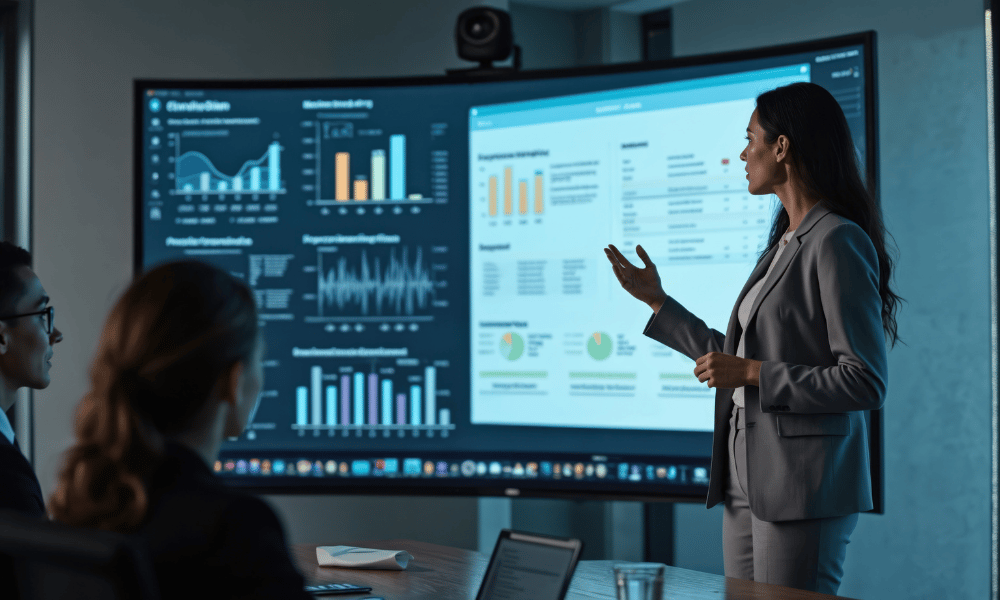
The role of HR is undergoing a fundamental shift. As artificial intelligence reshapes how organisations understand their workforce, HR leaders are being asked not just to report on people metrics, but to interpret complex data, validate AI-generated insights, and guide strategic decisions that shape the future of work.
For David Gumley, managing director and partner at ADAPTOVATE for Australia and New Zealand, this evolution places data literacy at the centre of modern HR practice.
"HR leaders today are expected to interpret workforce insights, understand where the data comes from, and explain how those insights were generated, particularly as AI becomes more embedded in decision-making," he explained.
From metrics to meaning
Data literacy in HR, according to Gumley, goes far beyond the ability to produce dashboards or track KPIs. It's about understanding the story behind the numbers and being able to interrogate the assumptions that underpin them.
"As AI-driven workforce analytics become more common, HR leaders are increasingly being asked not just what the data says, but why it says it," Gumley said. "That means understanding data lineage, the assumptions behind AI models, and whether the insights being produced can be trusted."
This capability is transforming HR from a reactive support function into a strategic partner that can guide leadership on critical questions around workforce capability, organisational design, and future talent needs.
In transformation projects, Gumley observes that workforce data has become one of the most valuable strategic inputs: "Understanding capability gaps, leadership capacity, and organisational bottlenecks allows leaders to align talent decisions with the outcomes the business is trying to deliver," he added.
From hindsight to foresight
Stronger data capabilities fundamentally change what HR teams can achieve. Rather than simply documenting what has already happened, data-literate HR functions can anticipate future challenges and opportunities.
"Stronger data capability allows HR teams to move from hindsight to foresight," Gumley explained. "Instead of simply reporting on workforce metrics, HR leaders can use data to anticipate trends such as skills shortages, attrition risks, or productivity challenges before they become problems."
The real transformation happens when data translates into action. When HR teams can identify workforce patterns and connect them to business priorities, they become instrumental in shaping decisions around hiring, reskilling, organisational design, and broader talent strategy.
"In that sense, data capability enables HR to play a much more central role in driving organisational performance," Gumley said.
The AI opportunity and responsibility
Artificial intelligence is accelerating this shift by dramatically increasing both the scale and speed of workforce analytics. Organisations can now process vast amounts of information – from engagement data to performance insights to organisational network patterns – and identify trends that would have been impossible to detect manually.
But with this power comes new responsibilities for HR leaders.
"AI-generated insights must be understood, challenged, and validated," Gumley emphasised. "HR leaders need to understand how those insights were generated and what assumptions sit behind them."
The challenge, he notes, is rarely the technology itself. The real work lies in integrating AI into existing operating models, governance structures, and decision-making processes so that insights can actually influence how the organisation operates.
"In many ways, the future HR leader will need to be both a people expert and a steward of responsible AI use within the organisation," Gumley said.
Building data capability: Three practical steps
For HR leaders looking to build stronger data capabilities within their teams, Gumley recommends a practical, three-part approach.
First, build foundational data literacy across the team. This means ensuring people understand how to interpret workforce insights, not just produce them. Data literacy should no longer be considered a specialist skill – it's becoming a core capability for the entire HR function.
Second, embed data into everyday decision-making. Rather than treating analytics as a separate reporting exercise, organisations should integrate data insights into how decisions are actually made on a day-to-day basis.
Third, strengthen collaboration between HR, technology, and analytics teams. The most effective organisations don't silo these functions but bring them together to create a more integrated approach to workforce strategy.
Gumley emphasised that building data capability is about developing organisational muscle rather than simply hiring specialists. "In many of the transformations we support, the focus is not just on introducing analytics tools but on building the internal capability for leaders and teams to interpret and act on insights themselves."
The Future of HR
As workforce analytics become increasingly sophisticated and AI-driven, the HR leaders who will thrive are those who can sit comfortably at the intersection of people, data, and technology.
"The organisations that succeed will be those where HR sits at the intersection of people, data, and technology, helping leadership make smarter workforce decisions in an increasingly AI-driven environment," Gumley concluded.
In this new landscape, data literacy isn't just a valuable skill for HR professionals – it's becoming the foundation upon which strategic HR practice is built.


