Financial pressure is no excuse, Fair Work rules on consultation
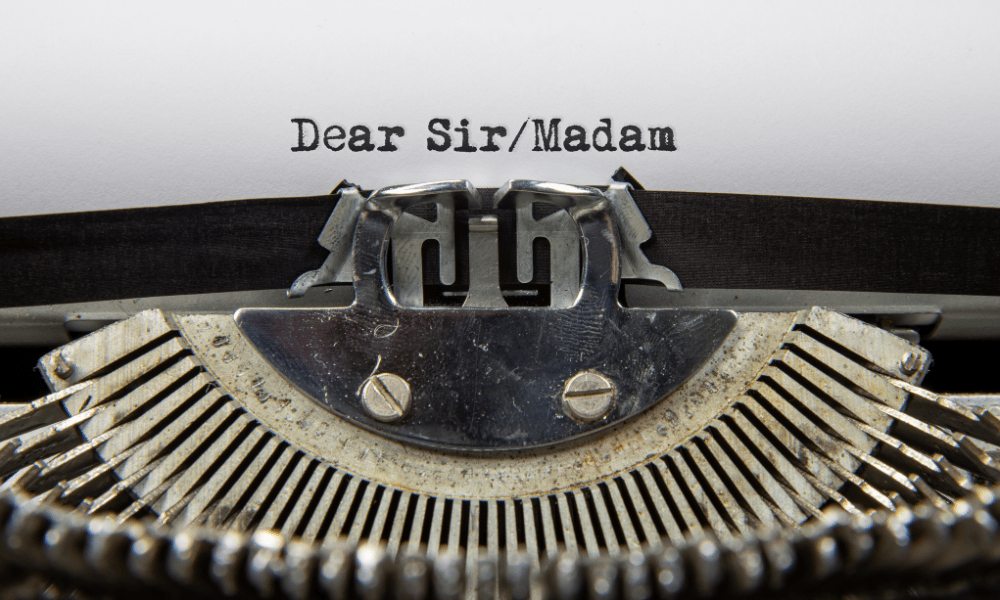
A disability support worker received a "Dear Sir/Madam" redundancy letter with zero prior warning. The Fair Work Commission was unimpressed.
On 10 April 2026, Commissioner Sloan of the Fair Work Commission ruled that CDNI Care Pty Ltd had unfairly dismissed Edmond Amoako Adjei, a part-time disability support worker who had been with the company since 24 January 2023. The case was heard on 23 February 2026.
CDNI had been struggling financially through the first half of 2025, raising the possibility of pay cuts and redundancies for staff who would not accept revised employment terms. Mr Adjei had himself inquired about a voluntary redundancy, only to be told on 5 May 2025 that this was not being contemplated. By August 2025, voluntary administrator Rajiv Ghedia of Westburn Advisory had been appointed to assist in saving the business. At an all-staff meeting on 25 August 2025, employees were told the company intended to preserve employment and continue operations. Three days later, Mr Adjei received a letter addressed "Dear Sir/Madam" that read, in part: "I regret to inform you that your services are no longer required and your last day of employment will be today, Thursday 28 August 2025."
Mr Adjei had not been warned his role was at risk, nor told why he had been selected for redundancy. He had not even received the letter sent to some colleagues on 26 August 2025 outlining revised pay terms and continued employment. He was one of 10 employees dismissed that day, with a further 13 let go on 8 September 2025. Ninety employees remained, on reduced pay.
The Commission found that while CDNI's need to cut headcount was legitimate, the way it executed the redundancies was not. Under the Social, Community, Home Care and Disability Services Industry Award 2010, CDNI was required to consult with affected employees about major workplace changes. It did not. CDNI argued the immediate redundancies were necessary for the company's future viability and return to solvency. Commissioner Sloan was unconvinced, ruling that the right to be consulted is "a substantive right and not merely perfunctory."
CDNI also failed to explain, during proceedings, why Mr Adjei was chosen over other employees. Its only submission was that directors "undertook a review of the Company's business operations, participant need and employee roles, and identified the employees to be made redundant." The Commission found this insufficient.
Because CDNI did not consult, the dismissal could not be classified as a genuine redundancy under the Fair Work Act 2009, opening the door to an unfair dismissal claim, which the Commissioner upheld.
Reinstatement was not ordered. Mr Adjei's position had genuinely become redundant and he had not sought to return. Commissioner Sloan ordered compensation of $554.85, representing one week's pay, less taxation as required by law, plus 12% superannuation, payable by 1 May 2026. The amount reflects the view that genuine consultation, even given the financial urgency, would have required a minimum of three days, the equivalent of one working week for Mr Adjei, who worked part-time. Mr Adjei had also found other employment approximately one month after dismissal.
Separately, under a Deed of Company Arrangement executed on 10 October 2025, Mr Adjei is set to receive full payment of his outstanding entitlements, including annual leave, payment in lieu of notice and redundancy pay. That payment is not projected until April 2028.
The case is a clear reminder that award consultation obligations do not disappear under financial pressure. Document selection criteria and be prepared to explain them. Give affected employees a genuine opportunity to respond before a decision is finalised. A process does not need to be lengthy to be lawful; it just needs to happen.