The tester didn't follow procedure, and the Commission took note
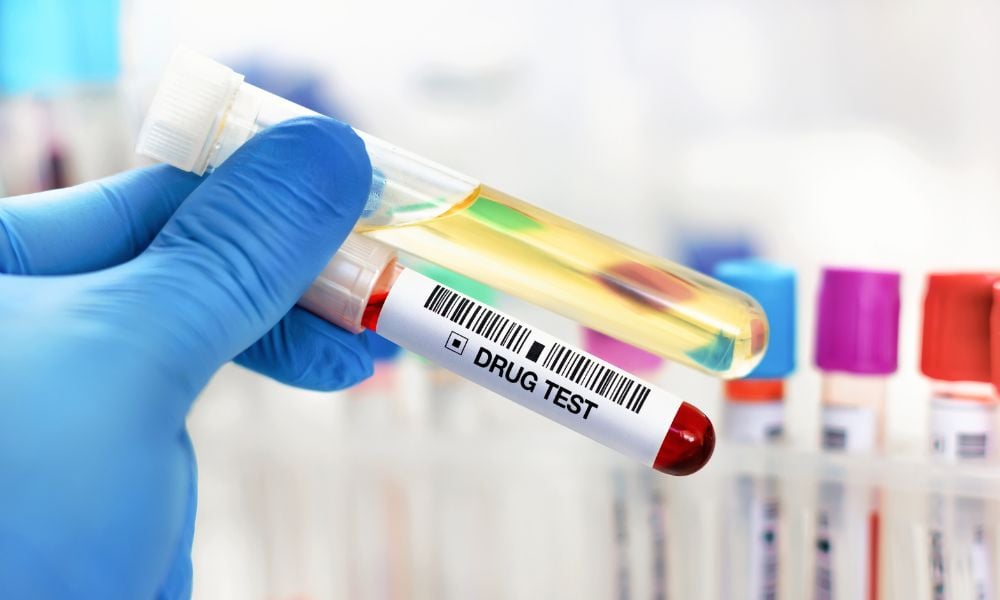
A 27-year employee was fired over a low-level positive drug test. The Fair Work Commission found the dismissal unfair and ordered reinstatement.
Glenn Brew was an Area Supervisor in Downer EDI Works' Transport and Infrastructure Division. He had no prior disciplinary issues and no complaints about his performance.
On 22 August 2025, Brew hosted a dinner at his home. A guest produced a cannabis cigarette and Brew inhaled from it twice. The next day he bought a self-testing kit from a local chemist and tested himself on 24 August 2025 before driving to Forbes for work. The result was negative.
On 25 August 2025, Brew was drug tested at work. The on-site screening returned a non-negative result for THC. A confirmatory lab test detected THC metabolites at 41 µg/L, above the lab cutoff of 15 µg/L but below the on-site cutoff of 55 µg/L. Brew raised concerns about the testing process, noting the kit had been pre-opened and he was not offered a retest as required under Downer's own procedure.
Expert witnesses on both sides agreed the test detected metabolites, not impairment. Deputy President Slevin found Brew was neither intoxicated nor impaired at work on the day of the test. Notably, the Commission also found that Brew had not breached Cardinal Rule 10, which prohibits consuming or being under the influence of non-approved drugs in the workplace, because he had neither consumed nor been under the influence of THC at work on 25 August 2025.
On 28 August 2025, Downer issued a show cause letter. Brew responded the next day, admitted what happened, pointed to his 27 years of service, and offered to undergo regular drug testing to keep his job. He also disclosed a previous positive test result from some time ago. A meeting was held on 2 September 2025.
Here is where the case gets particularly relevant for HR professionals.
Brew's area manager, Scott Nicholls, initially recommended a final warning with daily self-testing for six months. General Manager Phil Burns had also initially considered a suspension with further testing, citing Brew's long service and good record. But Downer's Senior People and Culture Advisor, Ms Ford, sent an email to both Nicholls and Burns, reframing the question and noting that a reason would be required if any sanction other than dismissal was being considered: "We are aware that you are recommending that Glenn receive a warning, but to round things out, can you please review the attached documentation and let us know what your final decision would be. As Cardinal Rule breaches are considered to be misconduct, termination of employment is available as a discipline action. Can you please provide a reason if you are not considering the Termination of Glenn's employment."
Burns then consulted Executive General Manager Stuart Billings directly. The decision shifted to dismissal. Burns wrote to Brew on 15 September 2025 advising him he was terminated immediately for serious misconduct. Burns noted that in the previous two financial years, Downer had summarily dismissed 23 employees for positive drug tests, with no exceptions made for mitigating circumstances unless they were significant and related to the drug use, such as the spiking of drinks.
In a decision on 23 March 2026, the Commission found the dismissal unfair. While the positive test gave Downer a valid reason for dismissal, the company's own Managing Misconduct Standard listed alternative sanctions including counselling, written warnings, and performance improvement plans. The policy did not mandate dismissal for a positive drug test.
"Zero tolerance however does not mean that dismissal must follow every breach of the drug and alcohol policy," the decision stated.
The Commission also found Downer's testing procedure was not followed. Brew should have been offered a second on-site test after the initial non-negative result. The test kit had been pre-opened, contrary to procedure. And because the confirmatory result of 41 µg/L fell below the on-site cutoff of 55 µg/L, the on-site test should have returned a negative result under the procedure, meaning, strictly speaking, no confirmatory test should ever have been triggered.
Brew was ordered reinstated with continuity of service and lost wages.
This case puts several things in sharp focus. Drug and alcohol policies that list multiple disciplinary options cannot be applied as though only one exists. A zero-tolerance policy on drug use is not the same as a zero-tolerance policy on employment, and conflating the two can itself become grounds for an unfair dismissal finding. Internal correspondence from People and Culture advisors forms part of the evidentiary record and reveals whether decision-makers genuinely weighed alternatives. And a positive drug test, on its own, does not establish impairment, or, as this case shows, even a breach of every rule cited in the termination letter.