Employers face a tight window to adjust SCHADS Award arrangements
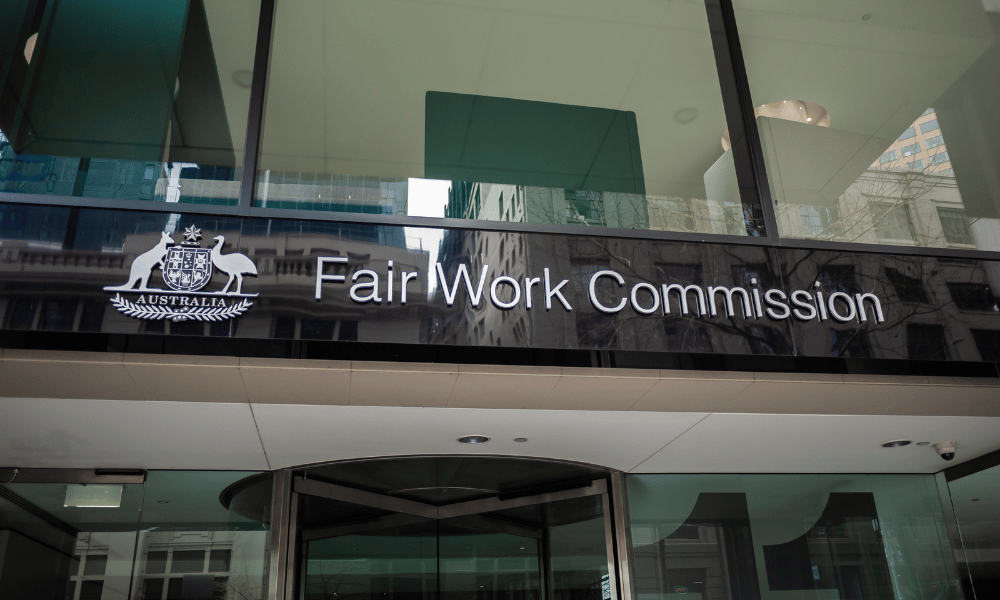
Australia’s workplace relations authority has issued new rules on how overnight care shifts are rostered and paid, providing long-awaited certainty for employers in the disability and community services sector ahead of a June 2026 deadline.
The Fair Work Commission handed down its final determination last week, resolving longstanding ambiguity around sleepover arrangements under the Social, Community, Home Care and Disability Services Industry Award 2010 – commonly known as the SCHADS Award. The new provisions take effect from the first full pay period on or after 1 June, 2026.
Under the changes, an employee may work before and after an overnight sleepover as part of a single agreed shift of up to 12 ordinary hours, with no more than eight ordinary hours worked on either side. Shift penalties apply separately to each segment, the sleepover allowance remains payable, and overtime is triggered only when the 12-hour limit is exceeded.
The Commission also resolved a key point of dispute: a sleepover does not count as a break between shifts. Work performed immediately before and after a sleepover is treated as part of the same shift, although each segment is still calculated separately for loadings and penalty purposes. The standard minimum break between shifts remains 10 hours, but may be reduced to no less than eight hours by agreement in specific circumstances linked to sleepover arrangements.
Laurence McLean, director of operations at Peninsula Australia, said the ruling directly affects services running around-the-clock care arrangements.
“Sleepover arrangements are commonly used across the disability, community, and care sectors, where employees may be required to remain overnight to ensure client safety and continuity of care,” McLean said. “This includes supported independent living providers, group homes, crisis accommodation services, and residential youth care facilities.”
McLean said the window to implement the changes was narrow.
“Clarity does not remove the need for careful implementation,” he said. “Getting this wrong after 1 June 2026 could expose employers to underpayment or overpayment, as well as compliance risks.”
McLean urged affected employers to act immediately, noting that those who wait until June face a higher risk of payroll errors, disputes, and back-pay claims. Peninsula Australia advises employers to review current sleepover rosters, update payroll systems to recognise per-shift overtime triggers, and formalise any 12-hour shift agreements in writing.