When the digital footprint contradicts the timesheet, who wins?
A Fair Work ruling has upheld the summary dismissal of an IT worker claiming full days of pay while barely logging in.
On February 20, 2026, the Fair Work Commission dismissed an unfair dismissal claim brought by Neeraj Kumar, a database manager employed by Hansen Corporation Pty Ltd since August 2019. The reason: Kumar had falsified his timesheets, recording 7.5 hours of client work on days when the company's own systems showed he had barely touched his laptop.
It started with missed meetings. Cloud Operations Manager Fletcher noticed Kumar joining online team meetings late on consecutive days in late April 2025. When Fletcher looked closer, the data told a damning story.
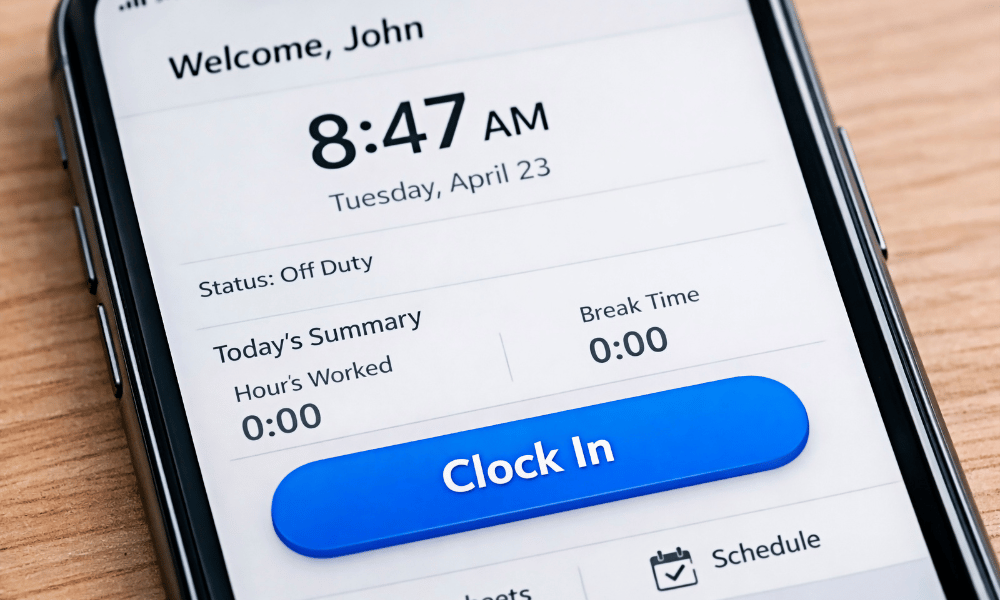
Fletcher pulled records from four monitoring tools: Microsoft Entra, which logs laptop activity; Zscaler, which tracks web access; Sentinel 1, anti-virus software that also monitors keystrokes and applications on the laptop; and Tempo, the company's electronic timesheet platform. On April 23, 2025, there was no record of Kumar logging into any system at all. His Tempo entry claimed a full day of work billed across multiple clients. On April 29, 2025, the systems recorded just 10 minutes of laptop activity. His timesheet claimed 7.5 hours.
At the hearing, Kumar offered explanations: he was reading a printed report, working on long-term projects, checking emails from his phone. None held up. He conceded under cross-examination that he "cannot argue" with the conclusion that his April 23 timesheet could not be justified given he had not logged in at all that day.
On May 15, 2025, Hansen Corporation issued Kumar a written letter citing falsification or misrepresentation of working hours and failure to fulfil contractual working hours. The following morning, before his show-cause meeting, Kumar emailed the company. He wrote that his work hours were an issue, that he accepted the outcome of the Hansen investigation, and that he had barely been keeping up with the minimum. Later that day, May 16, 2025 — at a meeting rescheduled from its originally notified 2PM timeslot, which Kumar agreed to — he was summarily dismissed.
Commissioner Clarke found the dismissal procedurally sound. Kumar had received the allegations in writing, been encouraged to bring a support person, and been offered an opportunity to review the evidence at the meeting — an offer he declined. The ruling was direct: "it is elemental that dishonesty in representing that work has been performed, when it has not been performed, is destructive of the employment relationship and fundamentally incompatible with the trust and confidence necessary with the maintenance of that relationship."
Kumar argued that his manager's ongoing approval of his timesheets shared some of the blame. The Commission rejected that. A manager's sign-off, it found, is no defence when the underlying entries are false.
The Commissioner's final word was equally blunt: "The Applicant's initial response to the allegations was to not contest them. That response was wise. His decision to bring and persist with these proceedings was ill advised."
For those managing people in hybrid workplaces, the case draws a clear line. Digital monitoring data, when drawn from multiple independent systems, can anchor a misconduct finding. Allegations must be specific and in writing before any dismissal decision is made. And manager approval of timesheets is not a substitute for independent verification — a gap that matters more than ever in environments where physical oversight is limited.