What are the legal implications of smart glasses at work?
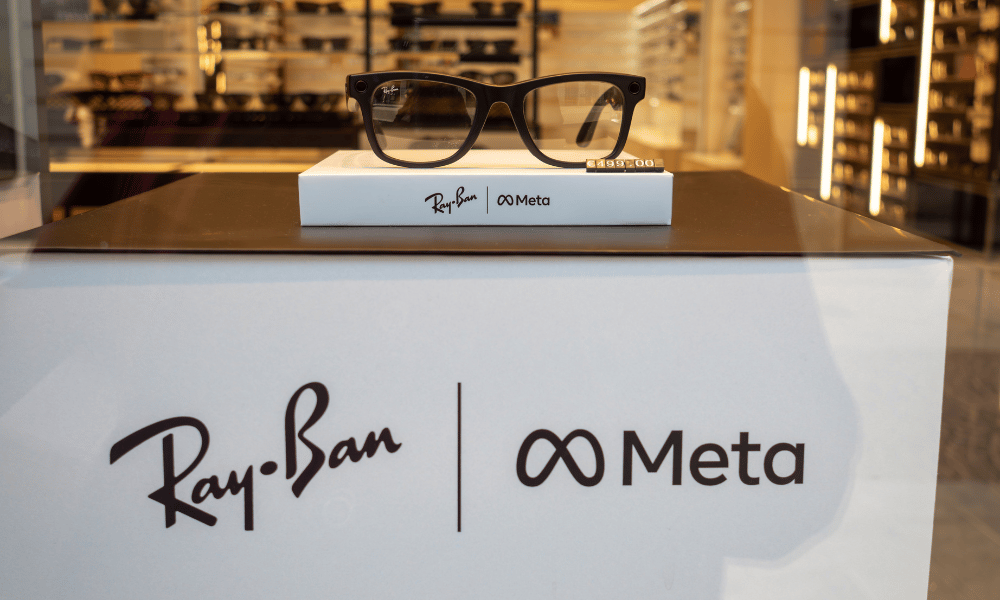
The $89 smart glasses from Kmart are sparking privacy concerns across Australia, including in workplaces where they could be a potential compliance challenge for employers.
The Anko-branded smart glasses, introduced as a low-cost alternative to Meta's Ray-Ban smart glasses, are able to capture images, record high-definition videos, and handle hands-free calls.
The Guardian reported earlier this month that the smart glasses were sold out at Kmart stores across Australia and online, indicating widespread consumer interest and pushing the smart glasses technology to mainstream use.
But the rapid rise in the technology's popularity has sparked privacy concerns from the Australian government, especially as the glasses have no visible recording indicator that will let subjects know if they are being filmed or captured.
The Office of the Australian Information Commissioner has been asked to monitor the developments in the area, including identifying any new privacy risks and mitigation measures.
Workplaces also face a similar privacy dilemma, according to employment lawyers at Hall & Wilcox, which warned that smart glasses can "expose personal, sensitive, and confidential information" without those being recorded knowing what's happening.
"For organisations, the potential risk is significant," said Suzie Leask and Madeline Tait, partners at Hall & Wilcox, in a new legal insight.
"The combination of covert recording capability, ease of dissemination, and high data quality creates a compliance challenge that existing frameworks were not designed to address."
Can smart glasses get banned at work?
Leask and Tait said employers and those controlling premises have "broad authority" to impose conditions of entry, which may include requiring individuals to remove or hand over smart glasses.
However, they noted that such policies should "be communicated clearly and in advance through employment contracts, workplace policies, or visitor terms."
The policies should also be applied consistently to all personnel and visitors, with secure storage arrangements provided for surrendered devices. Employers should also:
- address prescription smart glasses, where recording capability is integrated into corrective lenses, potentially requiring alternative arrangements; and
- set out clear consequences for non-compliance.
"Where an organisation permits wearable recording devices, it should implement clear usage policies that delineate permitted and prohibited conduct, and ensure staff and visitors are aware of the applicable rules," they said.
The employment lawyers also stressed the need to conduct a gap analysis of policies related to workplace surveillance, acceptable use, bring your own device, and information security to determine if they "adequately address" wearable recording devices.
"Ensure definitions are sufficiently broad to capture smart glasses and similar technology," they added.
Laws applied to smart glasses
These measures come in the wake of overlapping privacy, surveillance, workplace, and information security issues surrounding smart glasses.
According to the firm, regulations on smart glasses fall under a variety of Australian laws, including the Privacy Act, the Surveillance Devices Act 2007 (NSW), and the Workplace Surveillance Act 2005 (NSW).
The use of smart glasses may also have potential implications under the Privacy and Other Legislation Amendment (Remedies and Other Measures) Act 2024 (Cth), as well as the Competition and Consumer Act 2010 (Cth).
"The risks extend beyond privacy compliance. Mass adoption of wearable recording devices may increase insider threats, from the removal of confidential information and intellectual property to the broader challenges for cyber security frameworks," Leask and Tait added.
"Organisations should also consider their workplace health and safety obligations, particularly the duty to manage psychosocial hazards, given that covert recording may feature in bullying, harassment, or performance management disputes."