The ASX Corporate Governance Principles are unambiguous. Boards are expected to understand and oversee organisational culture
Culture sits alongside financial performance, risk management, and executive accountability as a core governance responsibility. Most directors take that obligation seriously. The problem isn't intent. It's infrastructure.
Psychosocial risk is the sharpest illustration of this. Regulatory obligations around psychological safety have tightened significantly across Australian jurisdictions, and boards are increasingly being held accountable for workforce stress, burnout, and leadership behaviour. Meeting that obligation requires genuine insight into employee experience; the kind that only surfaces when people feel safe enough to share it honestly.
The data most boards receive about their people - headcount, turnover, absenteeism - was never designed to tell them anything meaningful about culture. It was designed for compliance. It tells you what happened, not why. It tells you someone left, not that they'd been disengaged for eight months before they did. By the time a culture problem shows up in board reporting, it has already cost the organisation in ways that rarely get attributed back to their source. This is the governance gap most boards don't know they have.
The limits of lag data
Human Resource Information Systems (HRIS), the platforms most organisations rely on as their core people technology, are reliable, necessary, and good at exactly what they were designed to do: store data accurately, manage transactions, and keep the organisation on the right side of its obligations. But the leaders gaining a genuine competitive advantage right now are the ones who recognise that compliance data is only part of the picture.
The challenges defining the modern workplace: psychosocial risk, cultural cohesion, leadership trust, AI-driven disruption are human problems. And human problems require human intelligence. The organisations pulling ahead are those that have paired their HRIS with purpose-built tools designed to surface what compliance systems were never built to capture: whether people are genuinely engaged, whether leaders have the trust of their teams, and whether culture is creating or destroying value.
The good news is that intelligence is now available, in real time, to any organisation willing to ask for it. Too often these issues only come into focus when they have already become a crisis: a surge in turnover, a psychosocial claim, a leadership failure that could have been seen coming. The question for every leader is a simple one: do you actually know what's happening inside your organisation right now, or are you waiting for the data to tell you after the fact
What the data actually shows
The costs of getting this wrong are real, even when they don't appear on a vendor contract. They show up in recruitment spend, lost institutional knowledge, and the compounding drag of rebuilding teams that should never have walked out the door. This is a material business risk and it belongs on the board agenda alongside every other threat to long-term organisational performance.
There is also the question of what HRIS-only models cost the people expected to use them. Research shows managers are spending up to 210 hours a year (more than five full working weeks) navigating systems built for compliance rather than coaching. HR business partners are spending more than half their time on administration rather than the strategic work they were hired to do. Only 14% of employees feel their performance reviews actually inspire them to improve. The system isn't neutral, rather, it actively shapes the quality of the conversations it is supposed to support.
What genuine culture oversight looks like
Active culture oversight isn't possible without timely data. At Murdoch University, the shift to a purpose-built employee experience platform demonstrated exactly what that looks like in practice.
Previously, survey results had to be manually collated. Individual reports were built by hand. By the time data reached leaders, weeks had passed and momentum was gone. Now, using Culture Amp Engage, senior leaders access results the day the survey closes. High-level findings reach the University's Senate within days. The entire organisation hears outcomes at a town hall shortly after. Staff can see the organisation is listening and acting, not filing and forgetting.
That's not just operationally useful. In an environment where employees had historically experienced survey fatigue, where feedback disappeared into a process and nothing visibly changed – the immediacy of results was itself a cultural intervention. It demonstrated, in the most tangible way possible, that the organisation took the input seriously and gave the board something it had never had before: genuine, real-time visibility over the culture they are responsible for overseeing.
For senior leaders building the internal case for this kind of investment, the most powerful reframe is also the simplest: stop asking "how do we reduce our tech stack?" and start asking "what capabilities do we actually need?" Those are different questions with different answers. One leads to a consolidation decision. The other leads to a capability map, and a much clearer conversation with finance, IT, and the executive team about what is genuinely at stake.
The governance question boards should be asking
Under Principle 3 of the ASX Corporate Governance Principles, boards carry a direct responsibility for the culture of their organisation, not just its financial performance or compliance record, but the values and behaviours that shape how work actually gets done. That responsibility can only be meaningfully discharged if the data reaching the board is designed to surface culture, not just record transactions.
For boards looking to close the gap, three questions are worth putting on the agenda.
-
Ask what your current reporting actually measures. If the data reaching the board is drawn entirely from your HR information system, it is compliance data: accurate, necessary, and insufficient for true culture oversight. Understanding what your tools were built to do is the starting point.
-
Distinguish between workforce maintenance and workforce activation. Your HRIS keeps the organisation running: payroll, compliance, leave, core workflows. That is not the same job as understanding whether your people are engaged, whether your leaders have the trust of their teams, or whether your culture is creating or destroying value. Both jobs matter. They require different tools.
-
Reframe the consolidation conversation. The question isn't how to reduce the number of tools in your stack. It's whether the tools you have are fit for the purpose you need them to serve. A purpose-built employee experience platform paired with your HRIS isn't a cost, it's the infrastructure that makes culture governance possible.
The organisations already closing this gap have found that the change is less complicated than it sounds. At Murdoch University, the shift to a purpose-built platform meant the board had culture data on its desk within days of a survey closing, not weeks. Leaders had the confidence to act. Staff could see the organisation was listening. That's not a technology story. That's a governance story. And it's one more boards could be telling.
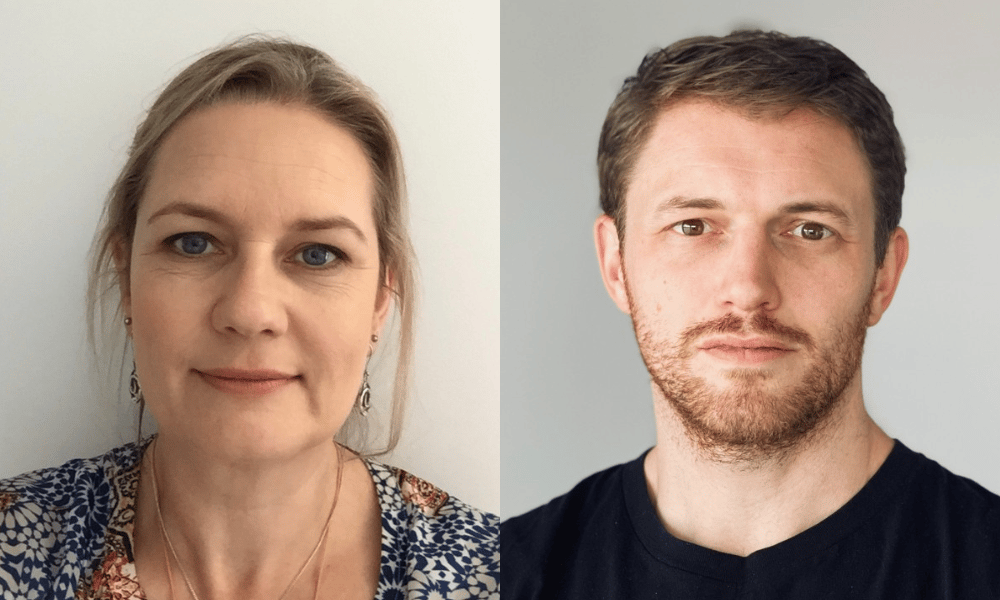
Tom Lewis is the principal solutions engineer at Culture Amp and Natalie Fletcher is the program manager (national gender-based violence code) at Murdoch University