
Melbourne CBD rents keep climbing - for HR, the risk is the term, not the rate
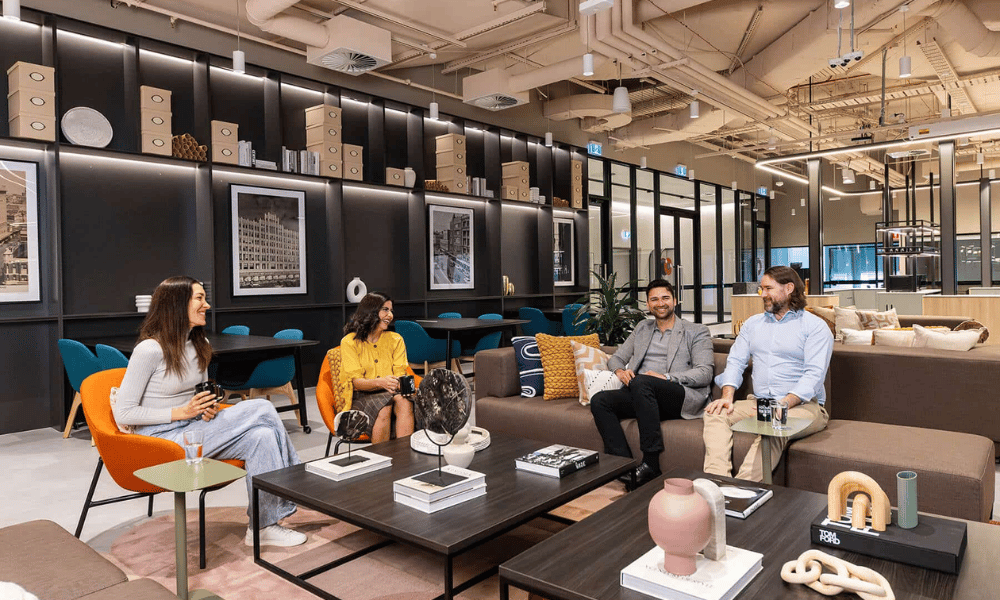
Office decisions were once settled largely on cost per square metre. Hybrid work changed that calculation, because a workplace now returns its cost only if staff choose to use it, which makes the decision an HR matter as much as a finance one. The questions are practical: whether the team will come in, whether the space helps retain people who took a year to hire, and what a ten-year commitment means when headcount shifts twice in eighteen months.
Melbourne makes those decisions harder than most markets.
Vacancy across the Melbourne CBD sits at 19.0%, the highest of the major capital city CBDs, according to recent Property Council of Australia figures. The increase is largely supply-led rather than a sign of collapsing demand, and leasing activity has ticked up moderately over the past two quarters.
Higher vacancy has not translated into cheaper space. Prime office rents in the CBD have grown roughly 16% and secondary stock around 13% over the same period. For HR teams weighing a move, the constraint is not availability but quality and location.
What a long lease assumes about headcount
The averages conceal a split in the market. Premium, well-located A-grade assets are attracting occupiers looking to upgrade, and attendance is a large part of the reasoning.
HR teams increasingly report that staff are more willing to commute to a building near a major station, with good end-of-trip facilities and usable workspace, than to an older floor twenty minutes from a train line. Attendance policy rarely closes that gap on its own.
None of this means occupiers lack bargaining power. With vacancy this high, landlords are competing for tenants and incentives have been generous, but the better terms usually come with a longer lease attached. Term length is set at signing and cannot be revisited later, which turns a property decision into a prediction about staffing.
A ten-year term signed today runs to 2036. Most HR teams would be cautious about forecasting headcount even for 2027, let alone a decade out, and the reasons are familiar: automation is reshaping roles, hiring plans stop and start, acquisitions redraw the structure, and some roles turn out to work remotely while others clearly do not.
Separating the address from the footprint
Core and flex, as the industry calls it, pairs a long-term base with additional space that can be adjusted as an organisation changes. Flexibility of that kind once meant accepting a lesser building.
That's largely no longer the case — flex operators are now taking space in the same prime stock corporate occupiers are competing for, not the buildings they're leaving.
Melbourne follows that pattern. Operators such as JustCo, for instance, run centres in the CBD core within walking distance of major transport, offering both dedicated private offices for teams that want secured, furnished space from day one, and coworking or hot-desk arrangements for distributed teams, project hires and short-term contractors. Most organisations end up using a mix of both, and the balance shifts over time.
Some of the appeal is practical. Meeting rooms book on demand, so client-facing teams are not rationing them. Soundproof booths and quiet zones address a complaint common in hybrid engagement surveys, that staff travel into the office and cannot find anywhere quiet to work. Community events give new starters a way to meet colleagues, which matters when part of the team was onboarded remotely.
Vacancy rates will continue to make headlines. The more practical test for HR is whether the space an organisation holds matches the workforce it has, and how easily that can change.
Michael Sim is Senior Director & Head (Australia, India and the Middle East) at JustCo Global, a flexible workspace provider helping businesses create adaptable workplaces that support changing workforce needs. With extensive experience across Australia and Asia, Michael brings a strong perspective on workplace strategy, occupier behaviour and the commercial office market.
This article was produced in partnership with JustCo Global


