Director of HR & Quality on why linking HR, quality, and operations changes everything for guest experience and staff retention in the hospitality industry
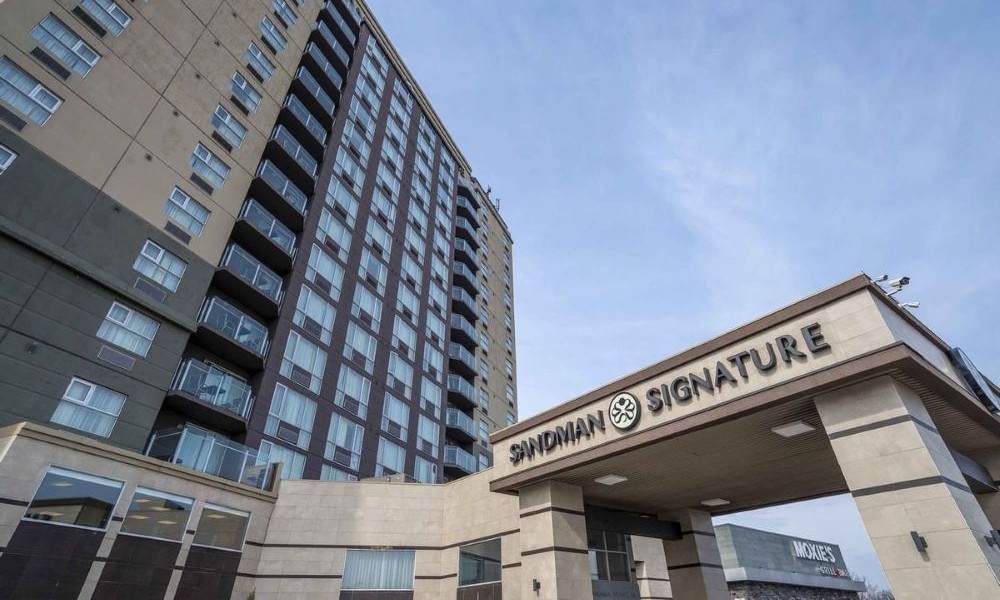
Sandman Hotel Group and Sutton Place Hotels operate more than 60 hotels across Canada, the United Kingdom, and the United States. It’s a widely-spread workforce in an industry with particular workforce challenges, and two functions that many organizations run in separate silos fall under one people leader’s umbrella. Treva Gardner fills the dual role of Director of Human Resources and Quality for the Vancouver-based hospitality company, and the functions are intricately related, she says.
“Quality in operations and quality in HR are two sides of the same coin,” says Gardner, who spoke with HRD Canada at HRFest Canada 2026 in Toronto. “You can have the best brand standards in the world, but if you don’t have the right people, then you’re not going to deliver the right quality to the team and to the guests.”
That conviction – that the employee experience and the guest experience are inseparable – shapes everything from how Sandman Hotel Group approaches talent acquisition to how it has structured its strategic plan over the past two years, according to Gardner.
Two brands, one people philosophy
Sandman Hotel Group runs a value-focused portfolio under the Sandman name and a luxury portfolio under Sutton Place Hotels, says Gardner, who notes that guest expectations differ considerably across those two brands. But for Gardner, the people philosophy does not.
“Even though they’re two different brands, it all comes down to leadership and treating [people] with respect and dignity,” she says.
Gardner says that a mentor who spent more than 40 years with the hotel group left her with a phrase she still returns to: “There is nothing different about us, it’s just our jobs we do.” The implication for her is straightforward: “It doesn’t matter if you’re the COO or you’re the housekeeper, respect is respect,” she says.
The retention window that matters most
The hospitality sector has mostly recovered its employment to pre-pandemic levels, yet high turnover and long-term retention gaps remain persistent challenges in the industry. Gardner’s focus falls squarely on the one-to-five-year window – the period where organizations either build loyalty or lose it, according to her.
“We try and look at what makes it easier or harder for somebody to stay than what somebody leave,” she says. “Because that’s where the difference is, if you can retain people versus high turnover.”
Garnder says the organization has many long-term employees, but her team focuses on those with one to five years of service, where the turnover risk is higher – 4 in 10 hotels and resort properties experienced workforce shortages during the 2025 peak season, and more than half did in off-peak season that year, according to the Hotels Canada 2026 Workforce Report. “We're trying to create memories with those people so they stay and become loyal, but it is essentially about how we treat them and how they feel as part of the wider group.”
Research into the key factors driving employee retention has consistently shown that how employees feel valued and supported by their organizations directly affects productivity and culture – a reality that runs particularly deep in hospitality. For Sandman, the response is rooted in cross-functional collaboration, says Gardner. Over the past two years, the company’s strategic plan has prioritized ensuring that HR, commercial strategy, training, and operations all share the same table, she says.
“We’re all at the table together, we all have a voice,” says Gardner. “If a gap comes up, that’s where we discover it, we fix it, and we work together from all aspects – whether it’s commercial strategy, operations, HR, or training, it all interconnects.”
That integration is the initiative Gardner says the leadership team is most proud of. It also reflects the broader belief with HR leaders that human judgment and people skills remain central to effective HR leadership cannot be separated from operational realities – and that HR working in isolation from the people delivering the guest experience daily is not a viable model, says Gardner.
AI as a tool for people work
As AI reshapes administrative workflows, Gardner says the hospitality sector has a particular stake in getting the balance right. The risk she identifies is not that AI will displace frontline workers – it is that an overreliance on screens will erode the human contact that defines the sector.
“At the end of the day, it's a tool. It's an assistant.” says Gardner. “We want to use it to make people’s lives easier, not make more work from it.”
What Gardner wants AI to free up is precisely what hospitality depends on: the capacity to be present with a colleague or a guest rather than managing administrative tasks. For people teams, that means directing the time reclaimed from automation toward understanding, developing, and retaining staff, she says.
“[AI] helps us put the people back in hospitality instead of staring at a screen,” says Gardner. “Being able to talk to a guest, being able to talk to a colleague, being able to think about the greater, bigger picture that a computer can’t do.”
Transformation success means critical thinking and data literacy
That does not mean uncritical adoption. As AI fluency has become an increasingly urgent priority for Canada’s HR leaders, Gardner emphasizes two skills she considers non-negotiable for any team working with the technology: critical thinking and data literacy. Employees need to challenge AI outputs and verify that what comes out reflects what went in, she says.
“They need to challenge it. They need to not believe it is 100% true,” she said. “They need to understand data literacy, to make sure that the statistics that are coming out actually match what is going in.”
The broader transformation Gardner believes HR leaders in the global hospitality industry must own over the next two years is an integration challenge: deploying AI to handle administrative load while reinforcing the culture of genuine customer service that keeps both guests returning and employees engaged.
“If you don’t have the customer service excellence and the belief in customer service – and actually looking up from your phone but still using AI – you’re not going to win,” says Gardner.