Chief People Officer joined company with mandate to fuel 2.5x revenue growth by 2028 and international expansion without losing the culture that got it there
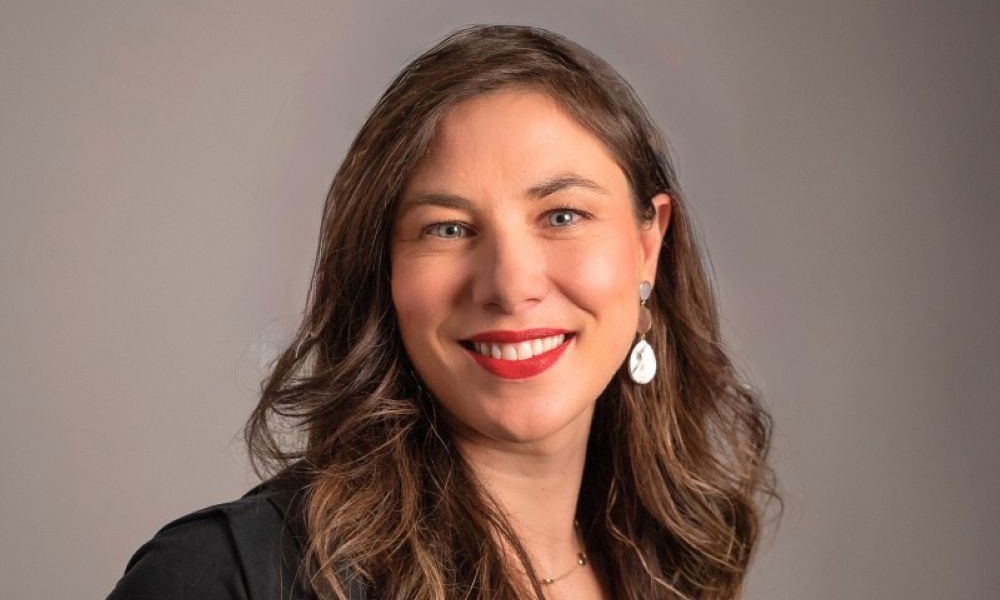
Safe Software has crossed $100 million in revenue and is targeting $250 million by 2028, according to the company. The Surrey, British Columbia-based company’s new Chief People Officer (CPO), Vanessa Ribreau, has only been in the role since April 2026 and she’s been charged with a key duty: how do you scale a culture that already works through hypergrowth?
Ribreau says she relocated from Montreal to Vancouver for the role, bringing more than a decade of people leadership at BenchSci, AlayaCare, and Shopify. Founded in 1993, Safe Software’s FME enterprise integration platform serves more than 25,000 organization in over 125 countries, according to the company.
“You have a customer base that’s really well established,” says Ribreau. “And we have really long-tenured and loyal employees and a culture that’s super strong – and you have product-market fit already, which is different than actually starting from scratch.”
The hardest question in hypergrowth
The trajectory from $100 million to $250 million demands significant hiring acceleration, and Ribreau says the most dangerous assumption is that culture will carry itself forward.
“It’s actually, in my opinion, the greatest challenge when you go through growth: how do you evolve the culture properly?” she says. “Because when you grow, the culture evolves, and when it’s steady growth, it’s easier for people to adapt to those changes, but when you go into a growth mode – hypergrowth mode – things go really, really fast.”
Ribreau says her response has been to slow down and listen, focusing on what she calls the “underlying culture” – the unwritten behaviours and implicit values that drive her organization’s success, not the aspirational statements on a wall.
“Beyond just the values being written is, what are the behaviours? What are the things that people deeply care about? What are the core reasons people join Safe and are still staying here after a number of years?” says Ribreau. “So it’s spending time to identify and codify it – even more so as you hire and onboard more people.”
One element Ribreau says she identified early was collaboration – Safe Software’s platform is technically complex and cross-functional problem-solving is central to its client track record, she says.
“We know collaboration is key and we don’t want to make compromises on that,” she says. “It’s how to make sure we evolve the culture the right way without compromising what made us successful.”
Intentional hiring in new markets
The initiative Ribreau points to most readily is a restructured hiring process built around cultural intentionality rather than speed.
“The one that jumps to my mind is the intentionality around hiring, especially because we are hiring in new markets – in the U.K. [and Ireland],” she says. “It’s basically starting there and making sure how we build the hiring process and how we make sure people are assessing the right things.”
At the final stage of Safe Software’s interview process, long-tenured executives evaluate candidates on cultural fit, according to Ribreau. “We have people at the executive level who are long-tenured and who really know the culture and know how to recognise a ‘Safer.’”
As HRD Canada has explored in its look at building hiring practices that hold across a global workforce, this challenge is common to organizations scaling into new markets.
When the Canadian playbook doesn’t travel
Safe Software’s expansion into the U.K. and Ireland requires Ribreau to think carefully about how cultural values translate across different labour markets along with the talent and growth challenges facing the talent and growth challenges facing Canadian technology scale-ups expanding internationally – and she has little doubt about the most common mistake she has seen in such projects.
“The biggest mistake is actually to copy-paste what you’re doing in Canada into other markets, and it’s true from a cultural perspective and on the product and sales side,” she says.” You can’t copy what made you successful in one market to another market.”
Ribreau says her approach is to anchor on the “why” behind a program or policy and work with local leaders to adapt it. She has been collaborating closely with Safe Software’s new Vice President of Europe, the Middle East, and Africa (EMEA), based in the UK, to make that happen.
“I’ve been working really closely with him – having him understand where we are coming from, having him visit the headquarters often and understanding the ‘why’ behind some of these initiatives,” she says. “Tell me how it will land in that market, and then we adapt.”
Developing a people strategy that holds internationally is a defining challenge for Canadian HR leaders, as HRD Canada’s reporting on strategic talent approaches across different workforce environments has shown.
Redefining the CPO’s seat
Ribreau believes that something executives and boards often still get wrong about the CPO role relates to what’s expected of the people function. Analysis of Fortune 1000 CPOs by Heidrick & Struggles finds the role is being reinvented, with people leaders increasingly expected to operate as strategic business partners rather than senior HR administrators.
“I think it’s important to understand that your job as a Chief People Officer is not to make people happy,” she says. “It’s really understanding where the company is going and what people need to get there – and actually bridging that gap.”
That framing shapes how she approaches C-suite alignment. She says she has seen companies where culture and strategy were both strong but senior leadership wasn’t pointed in the same direction.
“I do think at the end of the day, if the C-suite isn’t aligned on where we are going and how to get there, that’s where things start not working the best way,” she says. “As a Chief People Officer, you have to bring that group together and make sure they’re aligned.”
That view connects to what HRD Canada has identified as central to high-performance culture: leadership accountability at every level of the organization.
The lesson Ribreau returns to most – absorbed from an advisor early in her career – is deceptively simple: perception is reality.
“No matter your intention and no matter the work you put in, what matters is how it lands and how it’s perceived,” she says. “So the outcome and the result is about how things are landing, not the amount of work or the best idea you have.”