A Massachusetts ruling strikes down the fee as an unauthorized tax, offering immediate relief for U.S. employers
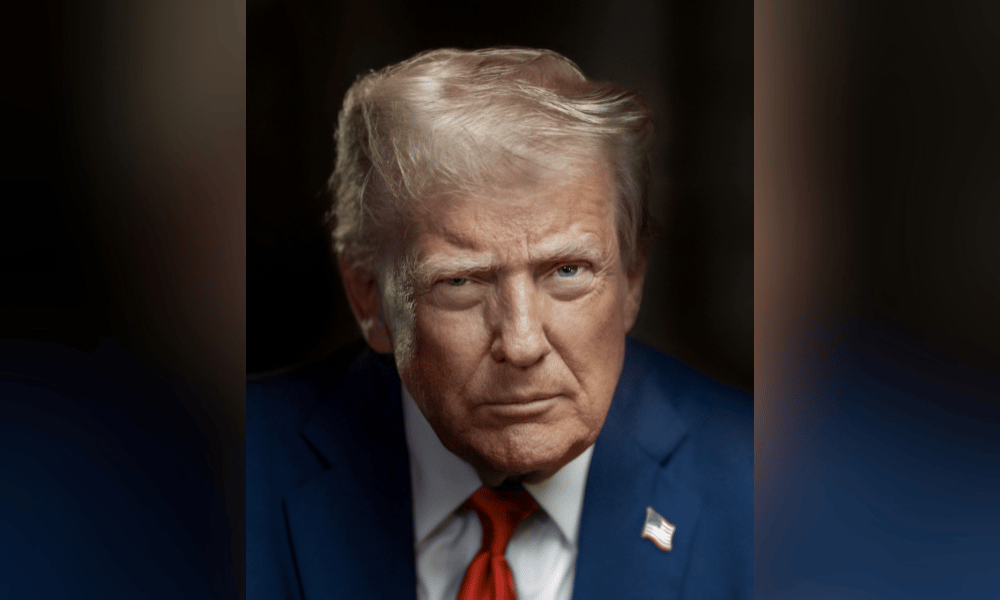
A federal judge in Massachusetts struck down the Trump administration's $100,000 fee on new H-1B visa applications on Monday, ruling that the charge amounted to an unauthorized tax imposed without congressional approval. The decision offers significant relief to U.S. employers in tech, healthcare, and higher education that have been navigating one of the most disruptive immigration cost changes in the program's history.
U.S. District Judge Leo Sorokin issued the 42-page ruling in response to a lawsuit brought by a coalition of 20 Democratic state attorneys general, who argued the fee prevented publicly run universities, K-12 schools, and healthcare systems from staffing critical roles. Sorokin voided the payment requirement nationwide using a provision of the Administrative Procedure Act (APA), rejecting Trump administration arguments that relief should be limited in scope.
What the ruling means for employers right now
The practical impact is immediate. Employers who had been waiting to file new H-1B petitions, or who were delaying workforce planning decisions because of the $100,000 cost, can now move forward under the pre-existing fee structure. Before the fee was introduced via executive proclamation in September 2025, the cost to enter a foreign worker into the H-1B lottery was approximately $215, with total application fees typically ranging from $2,000 to $5,000 depending on employer size and petition type, according to reporting by Al Jazeera.
The $100,000 fee had an immediate chilling effect on H-1B filings. Court filings cited in Al Jazeera's coverage showed that as of February 15, 2026, U.S. Citizenship and Immigration Services had received just 85 payments of the fee since the policy took effect, a fraction of the volume typically seen under the program. The H-1B program issues up to 65,000 visas annually for highly skilled workers, with a further 20,000 reserved for those with advanced degrees.
"There are no statutory powers authorizing Defendants to implement a $100,000 tax on H-1B petitions," said Judge Leo Sorokin, U.S. District Court, Massachusetts.
The legal basis: Congress, not the executive, sets visa fees
Judge Sorokin's ruling turned on a foundational question of administrative law: who has the authority to levy new fees on visa applicants. The court found that the $100,000 charge functioned as a tax, and that such taxes require either an act of Congress or a formal rulemaking process under the APA, one that includes months of public notice and comment. Neither occurred here.
The ruling arrives after a patchwork of conflicting lower court decisions. In December 2025, U.S. District Judge Beryl Howell in Washington, D.C. upheld the fee, finding that the president had acted under a valid statutory grant of authority. Monday's decision by Judge Sorokin reaches the opposite conclusion. HR and legal teams at companies that rely heavily on H-1B sponsorship should expect continued legal uncertainty as the administration may appeal.
HR leaders navigating immigration compliance can find deeper analysis of the program's legal landscape in HRD America's ongoing coverage of workforce immigration policy.
Sector implications: tech, healthcare, and higher education
The fee's rollout in late 2025 caused significant disruption across industries that depend on the H-1B program to fill specialized roles. Technology companies, which are among the largest users of the visa, scrambled to clarify whether the fee applied to renewals for current H-1B holders. It did not, the administration later confirmed, but the initial uncertainty prompted some employers to rush workers back to the U.S. to avoid potential reclassification.
Healthcare systems and universities, which typically operate on tighter margins than large tech firms, were especially hard hit. The state attorneys general who brought Monday's successful lawsuit argued that the fee effectively priced public institutions out of the H-1B program, threatening staffing in hospitals, public schools, and state colleges. The U.S. Chamber of Commerce had filed a separate legal challenge on behalf of employers more broadly.
Employers managing sponsored workers should treat Monday's ruling as a signal to revisit any immigration hiring decisions that were paused or restructured in response to the fee. Consulting with immigration counsel before filing new petitions remains advisable, given the possibility of an appeal. Employers can also review current USCIS guidance on H-1B filing requirements to confirm current obligations.
What comes next
The Department of Homeland Security, which was responsible for implementing the fee, had not responded to requests for comment by the time of publication. The Trump administration is expected to review the ruling and may seek to appeal or reimpose the fee through formal rulemaking, a process that would require public notice and a comment period.
The broader H-1B debate has not cooled. The administration has separately floated a policy that would require most green card applicants to leave the U.S. to apply for permanent residency abroad, rather than filing from within the country as has long been the practice. That proposal, which would affect thousands of workers already in the U.S. on H-1B and other visas, adds another layer of complexity to workforce planning for HR executives at companies with international talent pipelines.