Most employees believe improving workplace happiness is a shared responsibility

Most employees in Malaysia are happy at work, but many are saying they feel burnt out by their current job, according to a new report from SEEK.
Its latest Workplace Happiness Index revealed that 70% of Malaysians feel somewhat or extremely happy at work, with another 68% saying they find their job fulfilling.
Just 24% of employees feel neutral regarding workplace happiness, while only six per cent said they are somewhat or extremely unhappy at work.
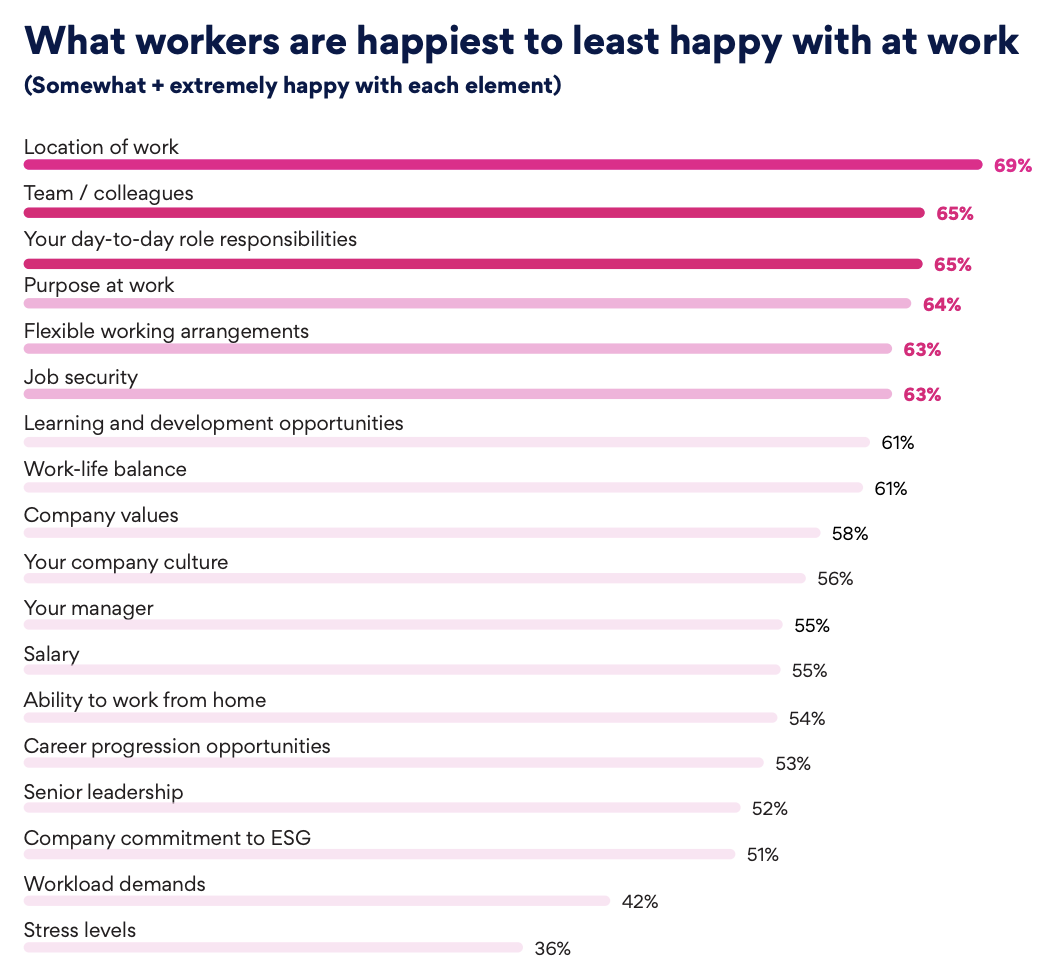
Employees cited work location as the top factor influencing their happiness at work. This is followed by the team and colleagues, as well as their day-to-day responsibilities.
"Higher satisfaction with location and duties likely stems from employees having agreed to these terms when accepting a role, giving them a stronger sense of control and ownership compared with other parts of the employee experience," the report read.
Burnout hitting Malaysia's workers
Despite widespread reported happiness in the workplace, the report revealed that 41% of employees are burnt out or exhausted by their job.
Burnout was most prevalent among employees who said they were unhappy at work (71%). However, even among those who reported being happy in their roles, 35% still said they feel burnt out or exhausted by their current job.
"The findings highlight a pressing reality that workplace stress and burnout are significant challenges in Malaysia, impacting a substantial proportion of workers," the report read.
"With stress and burnout correlated to absenteeism and poor mental health outcomes, this underscores the critical need for proactive initiatives to improve workplace happiness levels."
What can employers do?
Nicholas Lam, Managing Director - Malaysia at JobStreet by SEEK, said their findings are encouraging, but stressed that burnout is a pressing concern.
"This is a clear signal for employers to rethink workload expectations, prioritise flexibility, and create cultures where employees feel heard and valued," Lam said in the report.
Employees are also expecting their employers to improve workplace happiness, with 87% of workers saying this is a shared responsibility.
"These findings reinforce what we see every day in our organisations: happiness at work isn't something employees or employers can build alone. It thrives when both sides actively contribute," the report read.
Employees should learn to take ownership of their growth, be open about what they need, and engage meaningfully with the organisation's goals, according to the report.
Employers, on the other hand, should create an environment where people feel supported, trusted, and connected.
"When employers invest in purpose-driven roles, supportive cultures, and listen to the diverse needs of their workforce, the impact is tangible, translating to higher engagement, productivity, and retention," Lam said.
"Ultimately, building happier workplaces isn't just good for workers, it's essential for long-term business success."