New report reveals the consequences for organisations with sleep-anxious employees
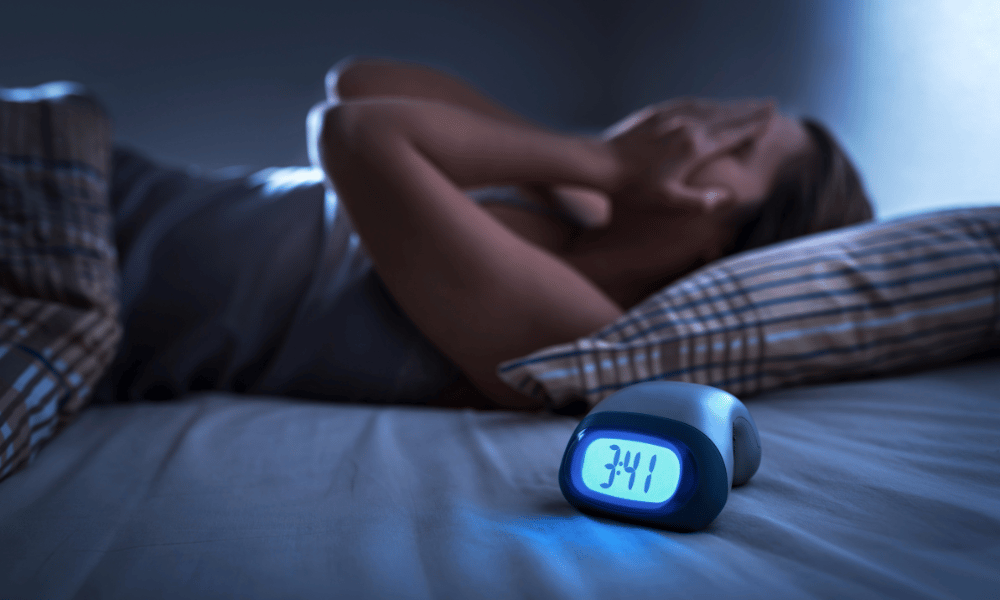
Employers are losing thousands of dollars and potentially productive workdays as sleep anxiety worsens among the workforce, an issue that an expert advised should be addressed like any other workplace performance issue.
Sleep anxiety refers to the stress or dread tied to falling asleep, or the fear of feeling tired the next day. Amerisleep, a mattress and bedding firm, said the issue can make it harder for employees to wind down, delay sleep onset, and disrupt rest throughout the night.
In the US, 92% of employees said they lose sleep to anxiety, with 49% saying their sleep anxiety has worsened in the last two years, according to Amerisleep's Sleep Anxiety Index.
Among the top triggers of sleep anxiety is work stress or deadlines (39%), just behind financial worries (49%) and general anxiety or overthinking (57%).
Sleep anxiety hits employees the hardest on Sundays and Mondays, peaking between 10pm and 12am for 41% of sufferers, and between 12am and 3am for 32% of sleep-anxious respondents.
Workplace impact of sleep anxiety
The workforce's suffering from sleep anxiety can have major consequences for organisations, according to Amerisleep's findings.
It found that sleep anxiety or sleep-related fatigue can make employees lose, or underperform for, an average of 14 workdays. It can also:
- Make it difficult to concentrate or focus (65%)
- Increase irritability or mood changes (62%)
- Bring about physical symptoms, such as headaches and fatigue (49%)
- Reduce motivation at work (46%)
- Make more mistakes than usual (33%)
More than half of Gen Zs and Millennials (56%) also pointed out that sleep anxiety contributes to their sense of burnout, according to the report.
Financially, organisations incur an estimated $2,950 in annual productivity loss per worker due to sleep anxiety.
Addressing sleep anxiety in workplaces
Viewing sleep anxiety as a personal issue rather than a workplace performance driver is the "most critical mistake" that HR leaders make, according to Dr. Jordan Burns DC, MS, sleep expert for Amerisleep.
"When employees are losing the equivalent of two workweeks per year due to poor sleep, leaders must address the situation like they would other performance issues, such as burnout and overload," Burns told HRD.
He stressed that the first step to address sleep anxiety in the workforce is by making changes to the organisational culture.
"In particular, it's necessary to encourage workers to discuss their sleep issues and the measures that could help to avoid sleep anxiety and recover faster," he added.
Some of the practical steps that employers can implement to reduce sleep anxiety include:
- Creating guidelines concerning out-of-office communications
- Providing workers with more stable work schedules
- Introducing recovery-oriented initiatives
"For example, a company may prohibit workers from sending emails and messages late in the evening and introduce mental health days that allow employees to take a break," Burns said.
"Even small changes, like discouraging late-night emails or promoting simple end-of-day wind-down routines, can reduce the mental carryover that fuels sleep anxiety."