
Jump to winners | Jump to methodology
It’s been an electrifying year for the HR industry, almost like the perfect storm of innovation and challenge.
Across the globe, HR professionals have been right at the heart of the action, navigating the rapid rise of AI, tackling senior talent shortages and reimagining employee engagement.
HRD’s Global 100 has taken full advantage of the publication’s global reach – spanning the US, Canada, Australia, New Zealand, Asia-Pacific, and the UK – to shine a spotlight on the world’s top HR executives and leaders.
Making it onto this prestigious list isn’t about holding a title; it is about rising to the occasion, steering teams through change and setting new standards for the industry. Each honouree has proven their ability to take on today’s biggest challenges and lead HR forward.
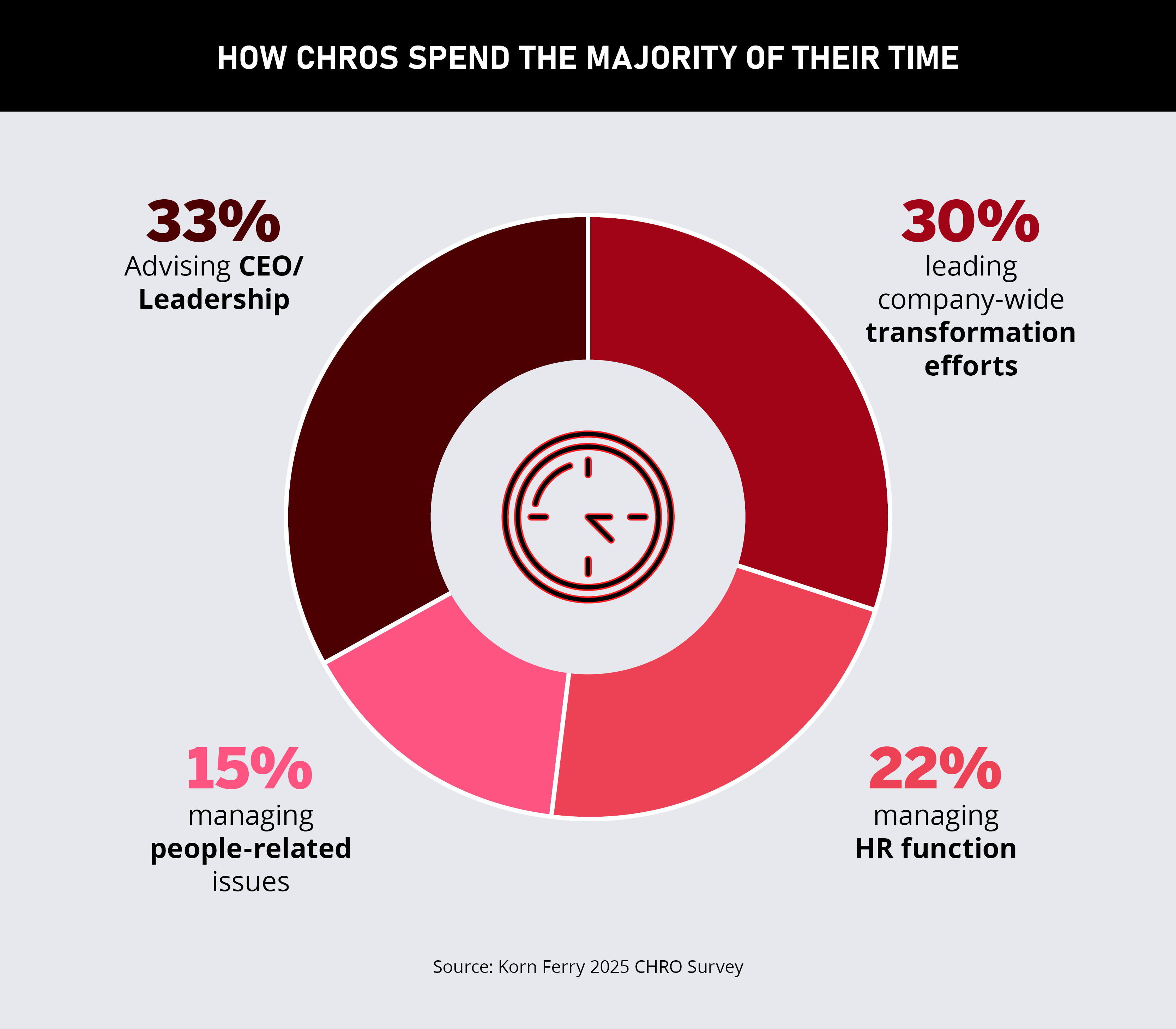
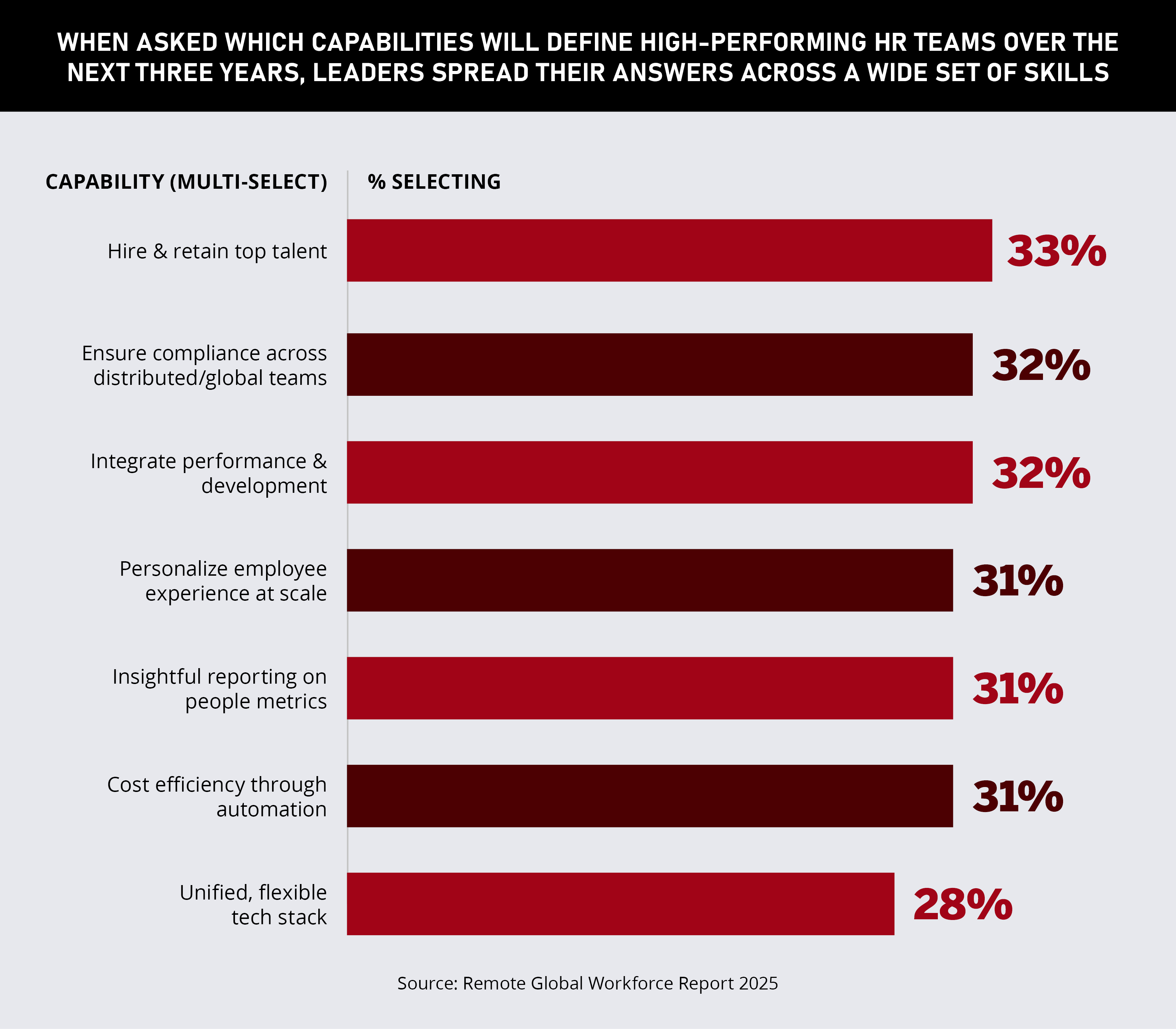
All industries have been impacted by the AI onslaught, but it’s magnified for HR due to its interconnectedness across all parts of business operations. Despite the narrative on increasing inefficiency, it has also created problems for HR teams.
“It has driven a surge in application volumes, but it has also led to a decline in candidate suitability,” says Will Prest, Hays Australia associate director – HR. “Many applications are now less aligned with the roles being advertised, making it more difficult for employers to identify quality talent.”
However, the tech can be used to counter this and help keep the process engaging. “AI can automate CV screening and shortlisting, match candidates to roles and reduce bias in the early stages of recruitment. Chatbots can also provide instant answers to candidate queries, keeping them engaged throughout the hiring process,” adds Prest.
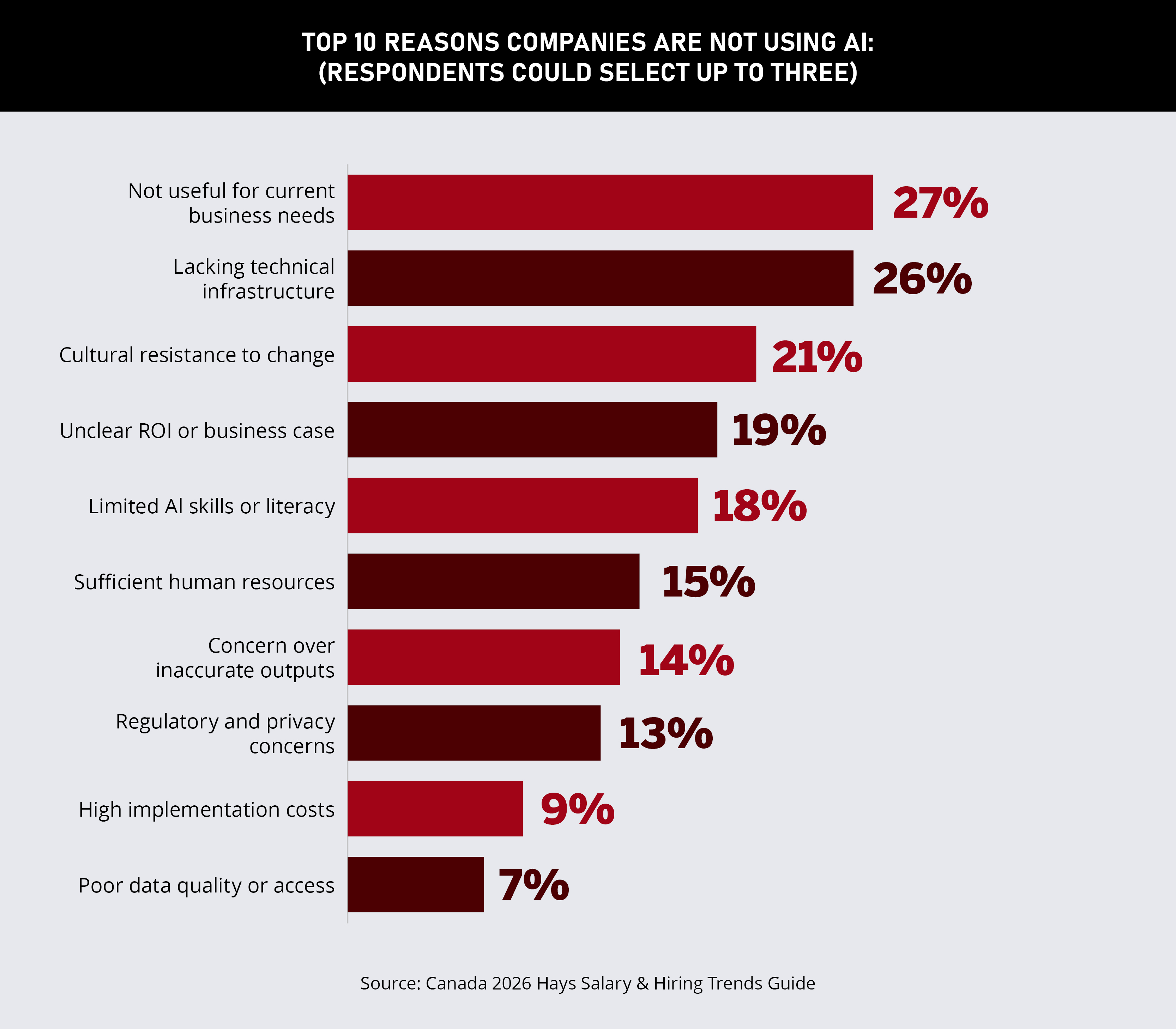
Another expert highlights cautionary concerns as AI proliferates around privacy and accuracy. There is a danger that users become too comfortable.
Toni Jacka, general manager and consultant at Positive People NZ, explains, “It must be managed with care. Understanding potential privacy concerns is critical in the sense of checking all the data and information you receive. Having a clear policy in place for its use with HR teams is important.”
HR leaders also have to ensure they close the adoption gap. This is highlighted by Gallup’s head of ANZ consulting, Patricia Hubbard. “Since managers adopt AI faster than ICs, they should build use case playbooks and training so teams benefit equitably and safely.”
The economic uncertainty over the past 12 months has factored into the decision-making of executives, who are unsure of future business prospects. There’s been a slowdown, with both employees and employers being cautious.
“There’s been a real hesitancy at that senior level, C-suite, VP to SVP level to move, but also to hire, and when those two slow down, it stagnates at that very senior level,” says Louisa Benedicto, senior vice president – human resources recruitment at Hays Canada.
In turn, this has placed added responsibility on the HR teams globally to support other staff impacted by the slowdown. “I am seeing a lot more pressure and expectation on the mid-level people who are in jobs than two or three years ago,” adds Benedicto.
This has contributed to a feeling of being “stuck,” where employees are being asked to do more but don’t have as many opportunities to move upwards and are also not seeing salary increases relative to a few years ago.
“When you feel stagnant and don’t feel you’re aiming for something, then you don’t produce as well as you normally would,” says Benedicto. “One of the biggest opportunities for HR functions globally is to think about how you can unstick people. So, if you can’t pay them more, which a lot of companies can’t now, what can you do to increase people’s morale at work?”
Solutions that are cited include job sharing, rotation programs and offering enhanced training schemes.
Prest has also noticed the lack of candidates, which is less about technical skills and more about the human skills such as communication, teamwork, adaptability and emotional intelligence.
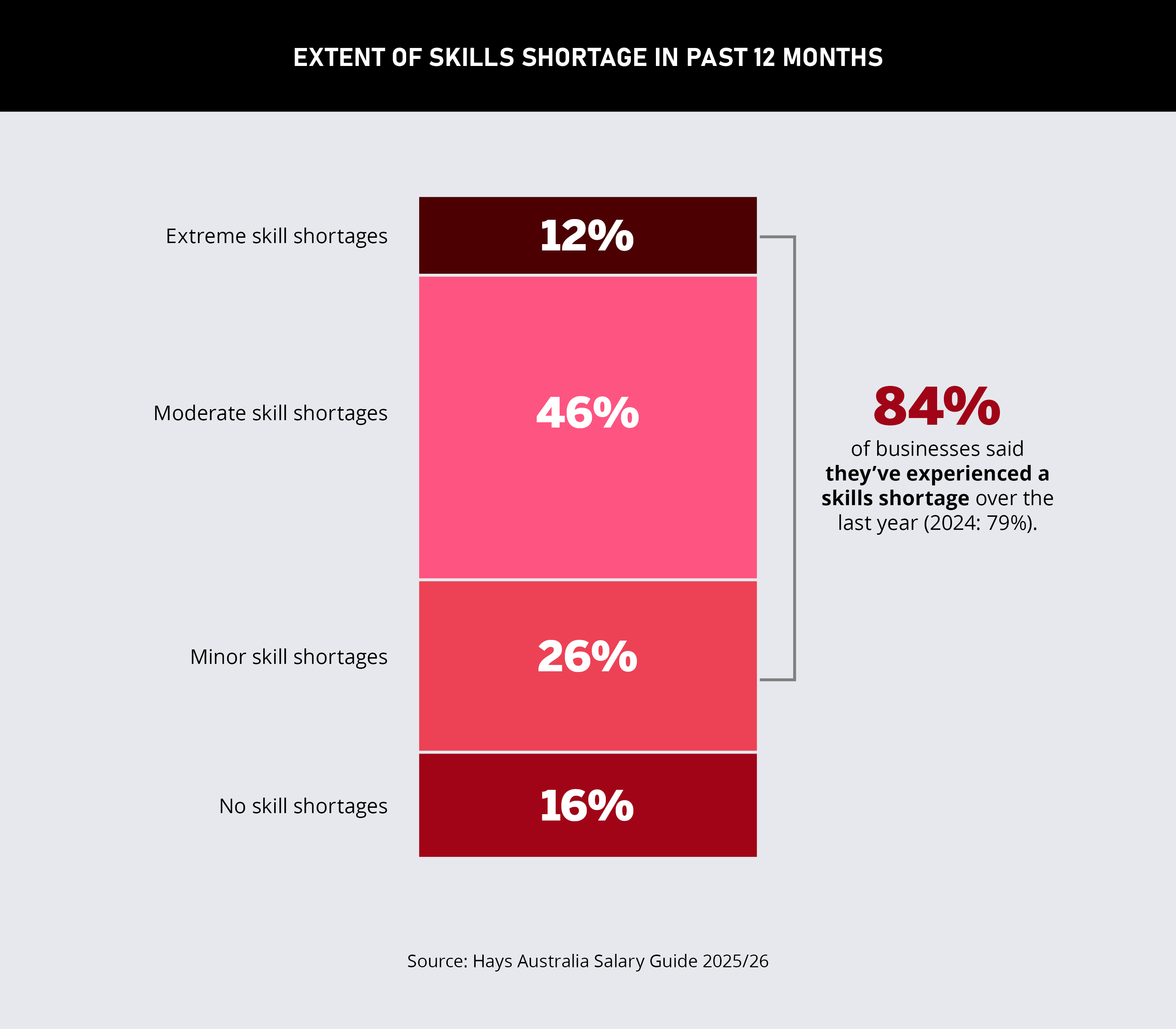
He says, “Our Salary Guide 2025/26 shows that 84% of Australian businesses reported experiencing a skills shortage over the past year. There is a growing need for upskilling across all levels, with a particular focus on fostering interpersonal connection, navigating change and encouraging creativity.”
The Global 100 have led and found solutions to the demands of their industries. Below, they detail the strategies that have seen them resolve issues.
Nancy Nazer has overseen moving the HR team from a decentralised, less planful function to become true strategic business partners.
“We put programs in place and have great data that we are leveraging for even greater impact. We’ve built a strong culture, and we’re promoting from within and seeing better succession. Now, we’re in an exciting white space focused on refining processes and enhancing accountability. The shifts are more nuanced, and the challenge is refining processes, fostering accountability and integrating workforce planning, business strategy and talent engagement.”


On joining Benedict Group, Elizabeth Pasoski was met with a strong operational focus but limited awareness of the strategic importance of psychological safety in driving engagement, performance and retention. Her goal was to shift this.
“I introduced psychosocial risk and wellbeing surveys to establish a baseline and partnered with leaders to interpret the findings and translate them into meaningful actions. This included leadership development on managing psychosocial risks, improving communication transparency and fostering trust-based team environments. The challenge was balancing education and accountability – helping leaders understand that psychological safety isn’t a compliance exercise but a foundation for performance and culture.”

Sarah Novelli was met with the challenge to link people outcomes directly to business performance and speak the language of the business.
“I am in a service-based environment where our margin and EBITDA are heavily influenced by workforce metrics like vacancy, turnover and utilisation. Through this mindset change, I can demonstrate just how impactful some of our initiatives are and how valuable the work of my team is.”
Rachael Britton has faced the challenge of attracting and retaining top legal talent in an increasingly competitive and values-driven market. The legal profession is undergoing a shift; candidates are seeking more than just reputation; they want meaningful work, flexibility and a strong, inclusive culture.
“In response, we’ve developed a suite of bespoke HR programs including mentoring, leadership pods, promotion pathways and various engagement initiatives designed to strengthen connection, increase visibility and support career development. These programs build capability across all levels and differentiate our employee experience, ultimately improving retention and positioning us as an employer of choice.”
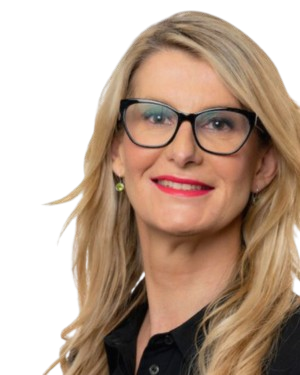
When Adam Charania stepped into the role of VP, human resources at The University of British Columbia in December 2024, he faced a new level of responsibility and complexity.
“As the university navigated the impacts of decreasing international student enrolment, our team in HR had to think creatively and strategically about how we support our community and the institution. With our university leaders, we co-created and launched a Voluntary Retirement Program in May 2025. This program gave eligible faculty and staff the opportunity to make individual retirement decisions, helping leaders optimise service delivery and workforce planning while supporting long-term financial sustainability.”

Over the last 12 months, Christine Tricoli has overseen the firm’s expansion at H.W. Kaufman Group, both in North America and worldwide.
“From an HR standpoint, our team has been focused on leaning into our culture as a privately held, multigenerational, family-owned and operated organisation. Tapping into that will foster increased collaboration and fundamentally drive our growth strategy.”

In 2025, Janelle Gavin helped lead the firm’s refresh of its employee-ownership model, designed to give all employees a stake and voice in shaping the company’s future.
“I focused on making sure the initiative not only launched successfully but truly resonated with our people. Our global roadshow in June spanned key locations across Asia, Australia, New Zealand, the US, the UK and the Middle East, with both in-person and live-streamed events. I’m deeply proud of our project team; their collaboration, communication and positivity – despite long days and sleepless nights across multiple time zones – were central to our ambition and led to an outstanding project launch.”

There is no single answer or theory on the best way to embrace AI in HR. The Global 100 are at the forefront of this and have experimented with how best to deploy it.
Gavin underlines the importance for HR leaders. He says, “The rapid pace of technological change is front of mind.”
Mott MacDonald, an engineering and management consultancy, has embraced new AI tools and focused on building future capabilities in AI skills. “Solutions like Co-pilot have streamlined routine tasks, freeing up time for strategic focus and human-centred activities such as leadership coaching,” says Gavin. “I’m embracing the positive impacts AI and emerging technologies will make, but it’s essential that we bring our people along on the journey and use these tools safely and ethically for everyone’s benefit.”
Novelli has been focused on integrating HR data with broader organisational metrics to provide visibility into the true cost and opportunity of people decisions. She explains, “This shift has changed the conversation from HR insights to business performance levers. We’ve also started exploring AI in talent analytics and workforce planning, allowing us to predict turnover hotspots and skill gaps earlier.”
Nazer is quick to praise the time-saving, as OMERS’ annual surveys can receive 30,000 comments, which previously involved a process over several months, but with AI and tech, they can distil the major themes within minutes.
She says, “There were a number of processes that we were doing manually five years ago, and now we have efficiencies. As a result, we have people doing work that is more meaningful for them. They have greater capacity to be strategic and to coach, and that is where I want my team to be.”
And she continues, “The key is ensuring you're leveraging technology for the right purpose. I’m never someone who wants to pick up something because it is shiny. It has to help you deliver your strategy and help you be even better than you have been in the past.”
AI is proving to be a transformative force in higher education, impacting teaching, research and the student and employee experience.
Charania stresses the importance of approaching it thoughtfully and responsibly. “As we explore the potential of AI and embrace innovation, we need to do so in a way that aligns with our academic values, ensures the underlying technology is inclusive and complies with our data privacy requirements.”
The HR team has partnered with the university’s IT department, specifically in terms of service delivery, onboarding, access to benefits, workplace learning and supporting managers and their teams.
“We’re expanding the responsible use of technologies, such as AI and robotic process automation, across HR and people-data analytics to support the university’s priorities. We’re also seeing how this can integrate with our existing technologies, including Workday,” says Charania.
HR professionals are being called to step up as architects of culture, champions of wellbeing and strategic partners in business success.
Nazer has embraced automating manual processes, which has freed both her and her team to focus on strategic work. She says, “It doesn't take away the human factor; it just makes it better.”
Using technology to elevate, not replace, the human element echoes across the profession. Novelli drives this point home. “Our people strategy is our business strategy,” she says. “Our aim is to make workforce data and insights accessible to leaders so they understand how decisions about people translate into operational and financial outcomes.”
And for Novelli, the future of HR lies in enabling leaders to make evidence-based decisions that support productivity and growth while never losing sight of the human connections that drive performance. She says, “The challenge will be redesigning roles, reskilling workforces and ensuring wellbeing and culture remain intact.”
But technology is only part of the story, as Pasoski believes there is a greater arc. She says, “The mission is to create an environment where people feel safe, valued and connected to the organisation’s purpose while ensuring that the people strategy directly enables business performance.”
Her current challenge is to navigate the intersection of psychological safety, technology and organisational agility. “HR will need to lead the conversation on ethical leadership, AI integration and the human impact of change, ensuring that digital transformation doesn’t come at the expense of connection, inclusion or fairness,” explains Pasoski.
Charania, meanwhile, serves as a reminder that wellbeing and belonging must remain at the core of any people strategy. He says, “Employee wellbeing remains a top priority – including financial wellbeing, mental health and creating respectful workplaces where people can thrive. I want people to go home better than when they arrived at work that day.”
At UBC, Charania’s approach is rooted in consultation and collaboration, ensuring that strategies reflect the realities of a post-pandemic workplace, including mental health, equity, flexible work and the thoughtful integration of technology.
For Gavin, it’s about bringing the conversation back to the foundation of every organisation. “People are the foundation of every successful business,” she says. “As an HR professional, I use organisational design to create environments where people feel empowered and engaged, driving both meaningful careers and business success.”
Gavin points out that the real differentiator is leadership, not tech. She adds, “We also need to develop leaders for growth in an uncertain world. Change is no longer something that ‘happens’ to people; we live in a changing world every day, and that pace of change is only increasing.”
Her goal is to build environments where change is embraced and leaders inspire and motivate through uncertainty.
The need for intentional connection and leadership is a thread picked up by Britton, as her approach at Australian law firm McCabes is about positioning HR as a strategic enabler of both people and performance.
She says, “Culture is built through intentional connection and leadership. Whether through structured programs or informal initiatives, we’re focused on creating a workplace where people feel seen, supported and empowered to grow while having some fun along the way.”
Britton strove to ensure that programs, such as mentoring and leadership pods, translate into real, measurable cultural shifts, keeping HR at the forefront of shaping the future workplace.
The world’s top HR executives and leaders have the opportunity and responsibility to use all the available tools to elevate people, culture and performance. They are achieving this by leading with purpose, courage and empathy and never losing sight of the human advantage.
Nazer sums it up. “When you believe in people, give them the space to grow, trust them and give them autonomy, we can be better together. It’s just incredible.”


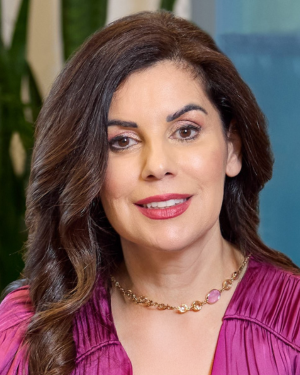




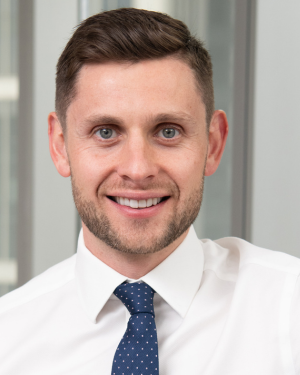
The HR Global 100 report shines a spotlight on outstanding professionals who are making a positive difference and helping drive change across the industry.
Now in its sixth year, this formidable list of the biggest names in HR was put together by HRD, leveraging its unique position as a true global publication reaching six different markets – the US, Canada, Australia, New Zealand, Asia-Pacific and the UK.
The HRD team collectively deals with hundreds, if not thousands, of HR professionals throughout the year for its daily newsletters, special reports and surveys, industry awards and events. This range makes the HRD team well-placed to tackle the intimidating task of whittling down the industry’s high achievers to just 100.
The 2025 Global 100 celebrates HR leaders who have shown exceptional dedication to their organisations and teams over the past year. Representing industries from aviation and fashion to logistics and beauty, these professionals have navigated rapid change, safeguarded employee wellbeing and guided their executives through an evolving business landscape.
From pioneering talent strategists to transformative people leaders, this year’s honourees embody the passion, expertise and vision that continue to elevate the HR profession worldwide.