

Jump to winners | Jump to methodology
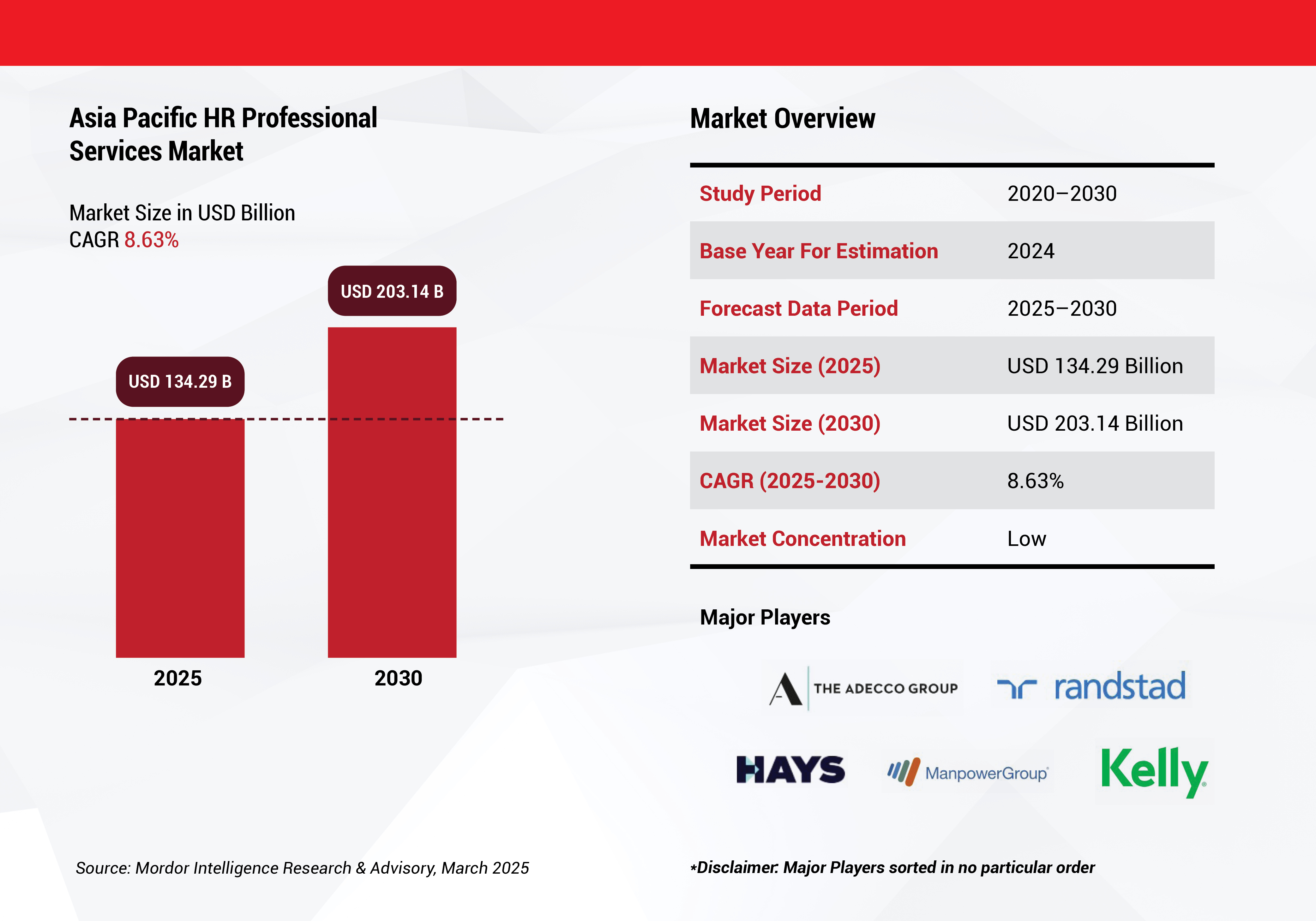
HR leaders across Asia are juggling a range of contrasting employee demands and are relying on service providers to deliver solutions.
Illustrating the situation, four in 10 employees in Malaysia are likely to leave their current job in the next 12 months, according to Aon’s Malaysia Pulse Report.
Meanwhile, a “quiet crisis" is emerging in Hong Kong due to a disconnect between employee expectations and payroll capabilities.
“Today’s employees expect the same level of customisation and speed from their workplace benefits as they do from their favourite apps," said Karen Ng, regional head of expansion – enterprise – North and South Asia at Deel.
There is also the issue of a group of Malaysian employers, estimated between 17% and 20% of the total, still falling short of their legal obligations under the Employees’ Social Security Act 1969.
For Niki Lim Hui Min, advocate & solicitor at Tam Yuen Hung & Co., the reasons often come down to a mix of misunderstanding and administrative oversight. She points out that some employers assume that paying workers in cash or hiring part-timers exempts them from registration.
“The issue is not always intentional non-compliance. Many smaller businesses, particularly family-run enterprises or those operating informally, still lack awareness of their legal obligations under the Act,” she says. “In other cases, it is simply administrative oversight or cost-cutting, where employers underestimate the risks of non-compliance.”
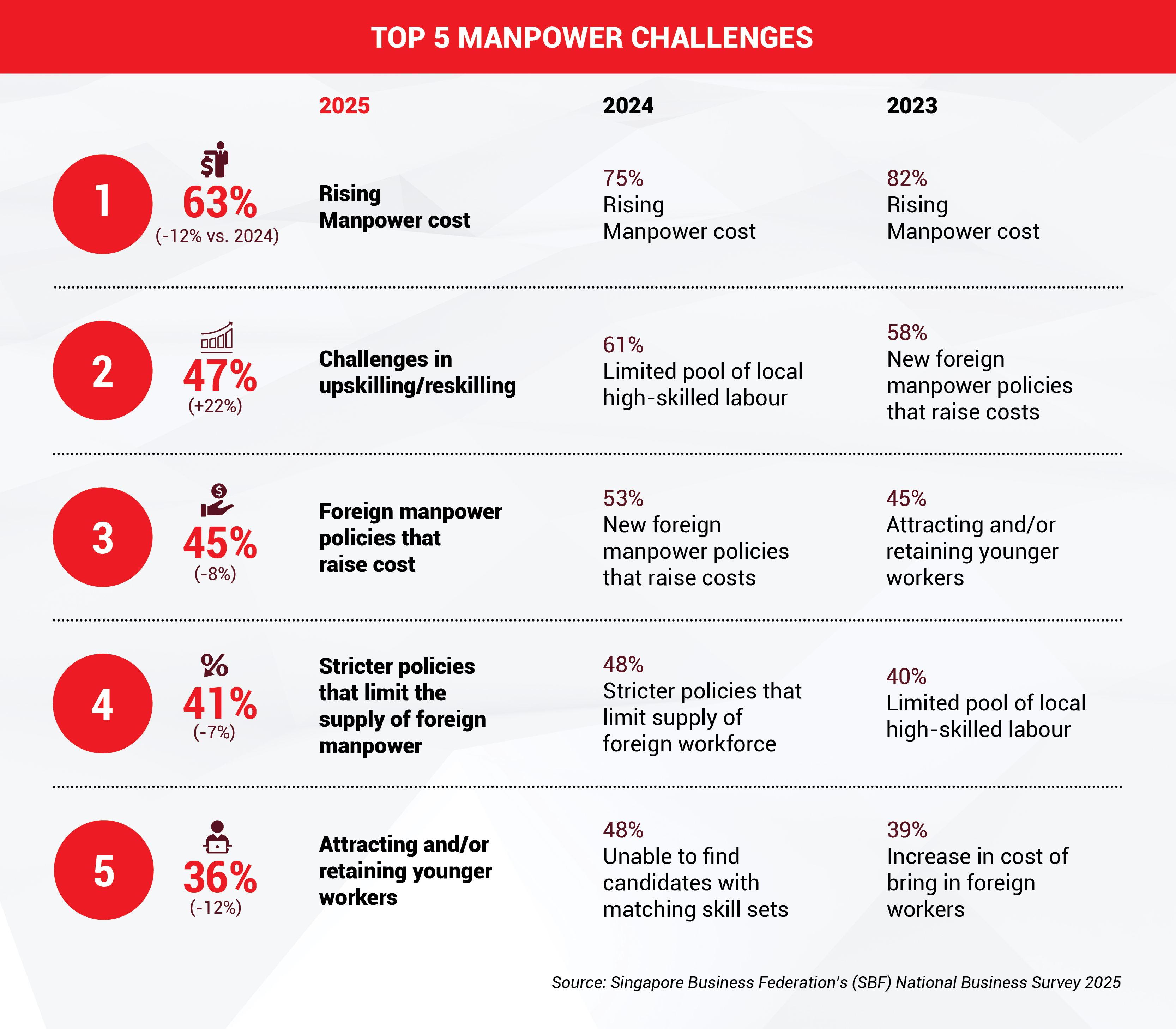
Singapore Business Federation's (SBF) National Business Survey 2025 also pinpoints considerations that the HR team has to deal with.
The survey states that “the top 3 forms of support needed to cope with manpower challenges are policy review to improve labour market flexibility, financial support for workforce transformation, and more channels to share feedback on policies and regulatory barriers.”
It also reveals that when investing in employee training, the leading challenges are concerns about the cost of training, limited manpower to cover for staff who are undergoing training, difficulty in measuring the returns on investment (ROI) on training programs and concern that employees may leave before training yields benefits.
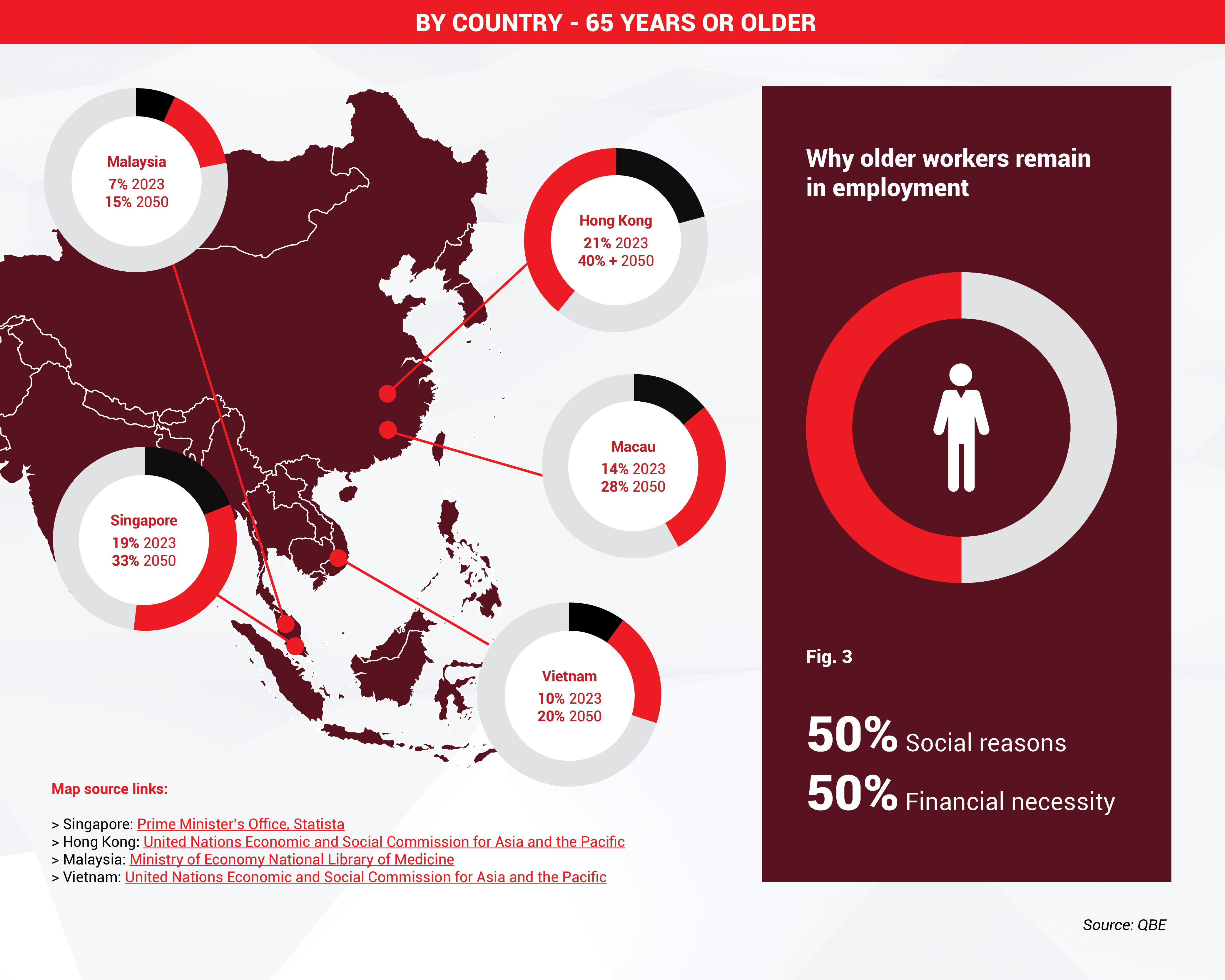
Another pressing issue for HR professionals across Asia is age-related. Data published by QBE shows the proportion of the workforce aged 65 or older is already high. In several markets, about one in five are aged within this group. By 2050 – just 25 years from now – this number will rise to between 30% and 40% in these same markets.
Rachel Pu, Asia head, workers’ compensation at QBE, noted the lack of awareness is “alarming.” She says, “Accordingly, few have workplace policies and practices that cater to the needs of this age group.”
The report stated, “Business should therefore prepare for both the risks and opportunities this new paradigm presents to business operations, including its workforce, workplace health and safety (WHS) practices and productivity, among other factors.”
These factors are a snapshot of why Asia’s HR professionals use and depend on the top service providers and vendors.
HRD Asia recognises the best in the sector, nominated by the HR community, as the inaugural Readers’ Choice winners. The three nominees (including ties) who received the highest number of overall votes in each category were selected.
1. Workforce planning and skills shortages
Critical skill gaps and difficulty demonstrating ROI for workforce planning are ongoing issues.
92% of payroll teams cite staffing shortages as their top challenge, including workload, burnout and insufficient headcount.
2. Employee experience and well-being
Burnout and disengagement are widespread, with nearly half of workers reporting burnout symptoms.
Employees increasingly expect holistic well-being support (mental, physical and financial).
3. Technology, compliance and integration
Many HR leaders feel current tech solutions do not meet future needs.
Manual payroll processing, lack of system integration and slow query response times are major sources of frustration.
Navigating evolving regulations and ensuring accurate, timely payments are critical needs.
4. Hybrid/remote work and flexibility
Hybrid work is now a cultural reset, but Asia lags behind the West in remote work adoption (0.5–1 day/week in Asia vs. 1.5–2 days in the West).
63% of employees would switch jobs for better flexibility.
5. Personalisation and generational shifts
Younger generations (millennials and Gen Z) demand alignment with values, purpose and workplace culture grounded in well-being and inclusion.
Benefits that acknowledge family obligations and allow personalisation (e.g., “flexBenefits” for eldercare and mental health) are increasingly expected.
6. Declining satisfaction with traditional benefits
Employee team building, flexible work options, and community/charity support saw the sharpest declines in perceived value from 2024 to 2025

Recognised for: Benefits and Pension Consultant and Salary Benchmarking and Forecasting
Organisations in the Asia-Pacific face challenges in salary benchmarking due to cost constraints and a competitive talent market, with increasing emphasis on both cash compensation and personalised non-cash benefits.
WTW addresses these needs by offering integrated solutions, leveraging extensive data and analytics and supporting clients from benefit design through vendor selection and ongoing administration.
Key to WTW’s excellence is the wide quantity of data it is able to extract from relevant markets. The company believes it has the largest repository of graphics data around the world, as well as in Asia.
“Our data gives us a very good grounding to extract insights, understand market trends and therefore be able to offer consulting and advisory advice to employers,” says Royston Tan, head of health and benefits at WTW’s Asia-Pacific department.
However, Tan adds that data alone does not solve every problem a client may face and highlights WTW’s holistic approach. The company uses its consultants strategically, deploying team members with the appropriate experience to specific companies. These consultants can draw on their insights to make recommendations that analytics alone might not suggest.
Tan explains, “It will say there are certain benefits that you're below market. But the solution is not to bring everything up to say that it is at the highest level but to look at it in a holistic manner.”
WTW’s consultants study the client’s demographics and past patterns of utilisation and combine this with what the analytics tell them. “Data has to be used hand in hand with the consultant’s expertise and experience to make sense of it,” Tan says. “We have seen where, if we rely purely on the data and the analytics, the wrong conclusion may be derived.”
Armed with both analytics and industry knowledge, WTW consultants are able to work together with organisations to come up with results that benefit the wide array of employee needs. Once they create a plan for clients, WTW’s team works to actualise it. This means they look at their client’s portal, which will allow employees to make their own personal choices. WTW takes them through the vendor landscape, such as fintechs, insurtechs, established medical organisations, and healthcare and well-being providers.


Tan says, “We play that role because, as part of our core business in benefits broking, we work with a myriad of providers. We have already conducted ongoing due diligence on them, and we know who is good at doing what and when.”
WTW’s health and benefits team covers a scope of 14 markets, with 59 offices, over 450 local brokers and consultants, and nearly 6,000 clients. “There is a growing emphasis on the personalisation of benefits. If we agree that the workforce is diverse, then benefits should not be one-size-fits-all,” adds Tan. “So increasingly, where employers are agile in being able to offer personalisation, that’s where we see the highest level of engagement from the employees.”
While cash used to be king for employees at organisations in the Asia-Pacific region, Tan notes that there has been a significant increase in demand for benefits that match the needs of employees.
“It’s not only cash that dominates the conversation of attracting and retaining talent, but the non-cash part is the benefits, allowing employees to work under a flexible work arrangement and having benefits that cater to their lifestyle and life stages,” he says.
Part of this emphasis on benefits has been the high cost of living, which has faced a large number of employees. Tan says, “Our surveys tell us that more than ever, employees are living from paycheck to paycheck. Employees are also telling us that they are saving about 15% less than what they would like to in such a high inflationary environment. Where salary increases are not keeping up, they are increasingly looking for employers to help on the non-compensation side.”
Tan also identifies a challenging hiring market for both job seekers and employers, with organisations often finding that there is a dearth of experience and skills from the talent pool available to them. By focusing on personalised benefits, companies can gain an extra edge when competing for employees.
“There is a lot of youth out there looking for a job,” he says. “But they do not have the necessary skill set or experience that the employers are looking for. So, we are looking at talent in certain industries, in certain roles, which are not easy to combine.”
Increasingly, it’s taking a more prominent consideration for an employee whether to continue to be with their current employer or to move to a different organisation. Tan adds, “Ultimately, everything that we do for the employers is for the benefit of their employees.”
Recognised for: Employee engagement platform
The firm defines employee engagement as providing genuinely engaging, hybrid programs (virtual and in-person) supported by gamified technology and qualified educators to create a differentiated, interactive experience for diverse audiences.
The six foundational skills that Maxme has identified as game-changers for organisations and employees are:
communication
creativity
mindfulness
resilience
ownership
self-awareness
Marketing specialist Giorgia Todesco shares how the firm’s services engage participants through multiple platforms, rather than a one-size-fits-all approach. Working in tandem with its fully qualified educators, the company has created a human skills coach app, Hodie, to deliver a gamified experience.
Maxme’s belief is that training doesn’t stop in the classroom, underscored by Hodie being available 24/7, 365 days. For example, after employees have been taught, they can use the app to do modules related to and build on the content they have learned.
Hodie is designed to be used in short bursts, between three and five minutes. “We don’t want to bore a person who’s sitting in a train, telling them to read a book for an hour. Our perspective is to read the content for three minutes, do the assessment so that you can remember it, and write your reflection,” says Sachin Remson, head of shared services.

Points are gained as employees go through the levels, with all the activities designed to be engaging. In addition, Maxme also engages the user’s manager from an employer perspective.
“We send them an email saying, ‘This person in your team is undergoing this training, and here are three questions you can ask so they know that you are aware of the training,’” explains Remson. “It’s a two-way conversation, and it builds bridges between the employers and the employee.”
“We offer a hybrid opportunity when it comes to our programs and delivery. We’re not fully sitting down or purely virtual. It can be a combination of virtual and in-person events,” adds Todesco.
When participating in Maxme employee engagement programs, employers can expect to make progress in:
productivity
retention of employees
adaptability to challenging situations
While the company has specific emotional intelligence courses, EQ is a key feature of each of its programs. With its value highlighted by Todesco, who described a recent workshop held by Maxme, where empathy was repeatedly brought up by participants about what makes a successful leader. These skills are emphasised throughout participants’ learning journeys and are personalised to conform to a wide range of industry needs.
Reflection before and after undertaking programs leads to improvements in both individual and organisational success. Remson highlights Maxme’s work with a university in Bangalore, India that specialises in aviation and computer technology and partners with aerospace company Dassault. He explains, “They have about a set of 80 students who have been handpicked to become engineers in France and in the Indian Innovation Centre. We are training these engineers in regard to creativity.”
Another problem to solve that Maxme has identified in the market is the leadership group in middle and upper management, who do not have leadership traits and micromanage. Remson says, “We did a module for them because when you don’t delegate and keep on micromanaging, a lot of people actually lose that sense of autonomy in making decisions. That’s where they want to move to another role because they think that their own skills are not being utilised.”

Recognised for: Recruitment solutions/software provider
The firm specialises in global background screening to streamline recruiting processes, enabling employers to avoid potential legal and financial consequences of a misinformed hire.
Operating in over 180 countries across the globe, Veremark provides background screening, with capabilities including academic, criminal, financial and ID screening for clients. The global reach of Veremark is facilitated by its country-specific insights, ensuring that organisations are abiding by local laws.

Daniel Callaghan, CEO and co-founder, says that central to the firm’s reach is “a global core standard, regional must-haves and country deltas.” He adds, “Product guardrails enforce lawful scope, consent language, data handling and retention by market. Local expertise keeps those rules current. Every report includes an audit trail, so decisions are documented and defensible.”
Tangible time-saving outcomes can be expected through both the recruitment process and the avoidance of lost hours in failed hires. Callaghan says, “Teams see a shorter time to offer, higher candidate completion and far fewer clarification loops. Managers get a clear pass or flag outcomes they can act on. Recruiters win back hours each week, and audits run smoother because the evidence is already in the file.”
To reduce the manual workload of hiring managers, Veremark’s services are integrated with HR teams’ hiring stack, a feature that Callaghan says reduces long waits and complicated documentation. “We connect directly to the hiring stack. Requests are placed from the ATS, data capture is structured and status updates flow back automatically. Candidates get guided forms and self-serve updates.”
1. Integrated, user-friendly tech solutions
seamless integration with existing HR systems
real-time, actionable analytics for workforce trends, engagement and DE&I
2. Customisation and flexibility
modular platforms and customisable surveys/feedback tools
solutions that support hybrid/remote work and flexible scheduling
3. Continuous learning and upskilling support
ongoing development opportunities, especially in digital and AI literacy
4. Compliance and regulatory support
tools that simplify compliance with evolving regulations and ensure accurate, timely payroll
5. Holistic well-being and personalisation
platforms that enable tailored benefits and well-being programs
support for multi-generational and family-centric needs.





The survey for the inaugural Readers’ Choice Awards 2025 took place between 19 May and 13 June 2025. HRD Asia opened service provider nominations to create an impressive list of vendors and suppliers across the HR community throughout the region. The final list was compiled based on the team’s industry knowledge and additional research within each area.
Readers were invited to cast their votes through an online survey, with all responses kept strictly confidential. Participants could select a set number of organisations per category and had the option to nominate additional companies not already on the list.
Three nominees (including ties) who received the highest number of overall votes in each category were awarded the Readers’ Choice designation.