Youth unemployment, wage compression cited as factors behind hike
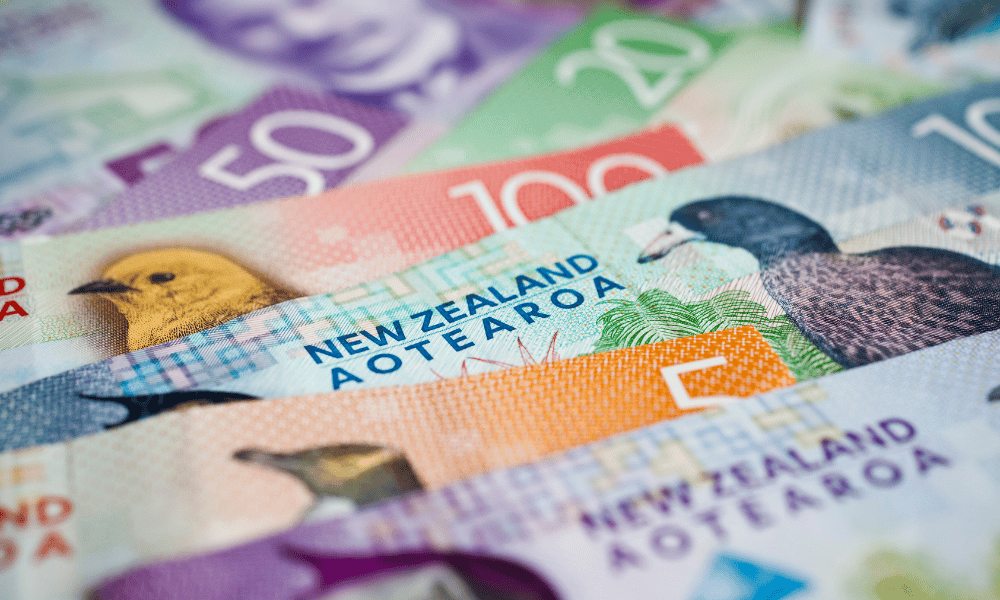
New Zealand's milinimum wage rate is getting a "moderate increase" to $23.95 an hour starting from April 2026.
Workplace Relations and Safety Minister Brooke van Velden announced on Friday the minimum wage hike, which is a two per cent increase from the current $23.50 an hour.
The training and starting-out minimum wages will also be rising to $19.16 per hour, up from the current $18.80.
"I am pleased to deliver this moderate increase to the minimum wage that reflects this Government's commitment to growing the economy, boosting incomes, and supporting Kiwis in jobs throughout New Zealand," van Velden said in a statement.
"The increase aims to help minimum wage workers keep up with the cost of living, with inflation projected to remain relatively stable at around two per cent from June 2026."
Drivers of wage hike
Around 122,500 working New Zealanders are expected to benefit from the new minimum wage, according to the minister.
It aims to help citizens keep up with the cost of living without putting further pressure on businesses.
"Past minimum wage increases have driven wage compression, reducing the differentiation in pay between workers based on skills, experience or performance," van Velden said.
"The moderate increases agreed to by this Government for the 2024 and 2025 minimum wage decisions have started to ease this trend."
The minister also cited youth unemployment as a factor behind the minimum wage.
"Young people are much more likely than other population groups to earn at or below the adult minimum wage rate," she said.
"Ensuring a balanced minimum wage rate enables young people to have access to entry-level jobs that can set them up for greater future success."
New Zealand's youth unemployment rate recently went up to 15.2% in the September 2025 quarter, according to data from Stats NZ. This is significantly higher than the country's overall unemployment rate of 5.3%.