The Economist’s new report gives some very interesting results (and reasoning)
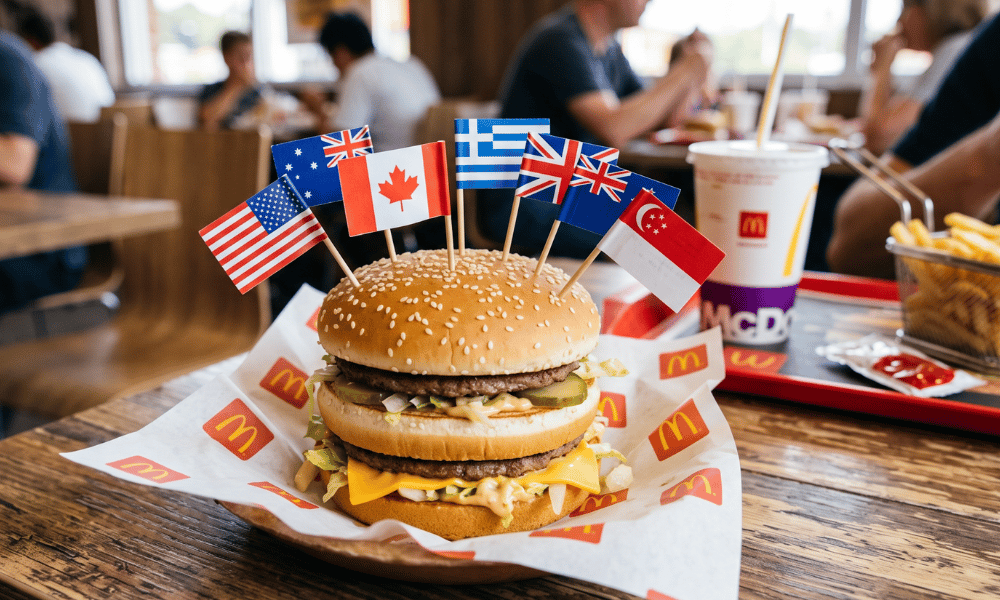
Forget GDP. Forget exchange rates. The only economic indicator that actually makes sense to normal humans is this one: how many Big Macs can your pay cheque buy?
The Economist has used the Big Mac as a serious tool since 1986, originally to check whether currencies were over or undervalued. That's the famous Big Mac index. Recently they took the same logic and pointed it at wages instead of currencies, calling the result the McWages index (The Economist, "How many Big Macs does your salary buy?," 25 Aug 2026).
READ MORE: Economic uncertainty drives shifts in pay strategies
The burger works as a yardstick because it's basically identical everywhere. Same buns, same sauce nobody can quite name, same slightly disappointing pickle. Strip out currency noise and you've got a decent way to compare what people actually take home.
The method is fairly simple. Take average earnings data from the OECD, a group of mostly wealthy countries. Deduct tax and social security using the rate for a single person with no kids, described in the piece as "McDonald's core customer base." Divide what's left by the local price of a Big Mac, priced as of July 2025, to get how many burgers a year's salary buys. Then do the same thing per hour worked, so someone putting in 60-hour weeks doesn't get an unfair edge over someone working 35.
On an annual basis, the US wins comfortably:
- United States — roughly 10,215 Big Macs a year
- Switzerland
- Australia
- New Zealand
- Israel
Per hour worked, though, the order changes:
- Switzerland — about 7 Big Macs an hour
- United States — about 6 Big Macs an hour
- Australia — about 5 Big Macs an hour
Americans end up with more burgers over the year mostly because they're working longer hours to get there. The Swiss earn more per hour on the clock, which tracks for a country also known for precision watches and better chocolate than anyone asked for.
At the bottom of both tables is Mexico, with Greece and Slovakia not far ahead.
Two countries stand out for movement. Latvia has improved the most — workers there can now afford one extra Big Mac for every two hours worked compared with two years ago. Germany has gone the other way: wages have stagnated while local burger prices climbed, leaving German workers worse off in Big Mac terms. It's become enough of a talking point that the left-wing party Die Linke has proposed capping the price of döner kebab, and the piece suggests Big Macs could be next.
So that's an international pay comparison built entirely around a food product that 1) most nutritionists would rather you ignored and 2) will be the only survivor (other than the cockroach) of a nuclear holocaust.. Somewhere an economist is quite pleased with themselves, and fair enough.
Figures are from The Economist's 25 Aug 2026 piece, using OECD earnings data and McDonald's prices as of July 2025. Worth checking the original if you want the full 32-country breakdown.