Younger workers push for clarity on how AI shapes their jobs
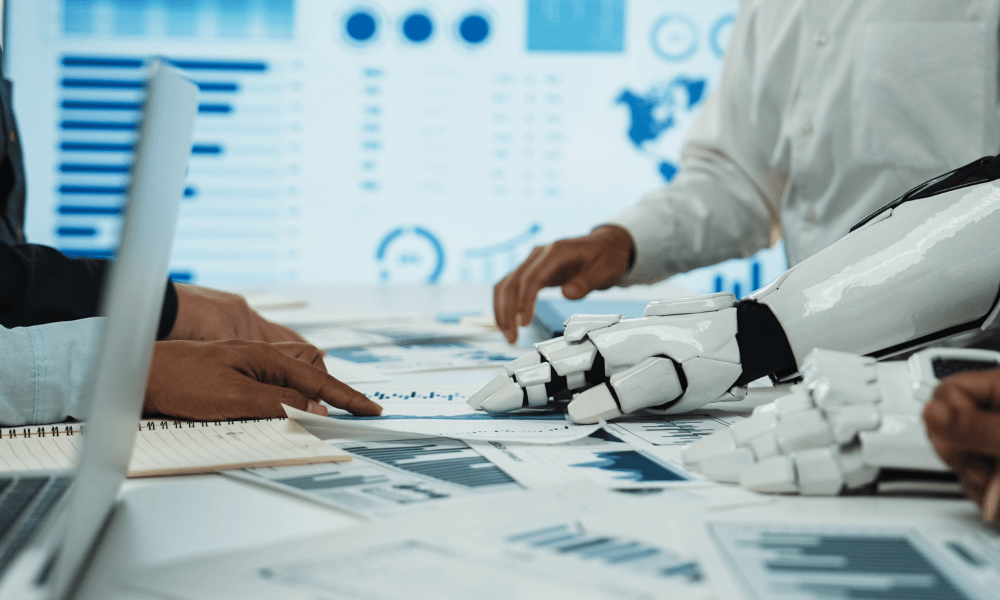
Businesses are increasingly turning to artificial intelligence to predict labour needs, with more than half of workplaces now using the technology despite widespread concerns about employee preparedness, according to recent data from Deputy, an Australian information technology company.
The adoption of AI-powered human resources systems has reached 51% of surveyed workplaces, marking a significant shift in how organisations manage staffing requirements and administrative tasks. However, the rapid rollout has exposed a critical skills divide, with 81% of workers expressing a willingness to use AI, while only 25% have received formal training.
Recent findings from Deputy’s new ebook on AI-driven labour forecasting suggest many organisations remain stuck in experimentation, struggling to convert AI tools into measurable workforce outcomes. The report found businesses are most successful when AI is used to support, rather than replace, human decision-making.
SMEs lead technology adoption
Small and medium-sized enterprises are driving the push towards AI integration as they grapple with leaner teams, skills shortages, and growing administrative demands. Technology-enabled HR systems are increasingly being deployed to streamline operations and strengthen workforce planning.
“AI will become essential for SME survival,” Emma Seymour, CFO at Deputy, said, pointing to the combination of technology and informed, supported staff as a pathway to competitive advantage.
Human skills remain irreplaceable
Despite technological advances, two-thirds of frontline roles continue to rely heavily on empathy and personal connection. An overwhelming 94% of workers believe these qualities cannot be automated.
“AI can take care of the admin, but humans will still manage the moments that matter – building trust, responding to customer needs, and making judgement calls that machines simply can’t replicate,” Seymour said.
The research warned that incomplete data and overreliance on automation can lead to inaccurate forecasts, reinforcing the need for managers to review and override AI-generated outputs where necessary.
Generational expectations drive change
Younger workers, particularly Gen Z and Millennials, are reshaping workplace expectations around AI use. These cohorts are seeking transparency, predictable schedules and flexibility, yet only 16% of workers say their employer is fully transparent about how AI is used. Nearly half remain unsure how the technology applies to their specific roles.
The report found that just 15% of workers are consulted about AI implementation, with a lack of transparency undermining trust and adoption.
Data-driven management emerges
The shift towards AI-powered workforce planning is enabling managers to adopt more data-driven decision-making. By automating routine administrative tasks, organisations are able to redirect management attention towards people-centred strategies.
“With AI taking care of the grunt work, managers can focus on people – creating smarter, more resilient workplaces that balance technology with the human skills that really drive success,” Seymour said.