Australia's labour market 'stabilising at subdued level,' expert says

Job postings for human resources and recruitment roles went up in January as Australia saw a widespread monthly lift in ad volumes, according to SEEK.
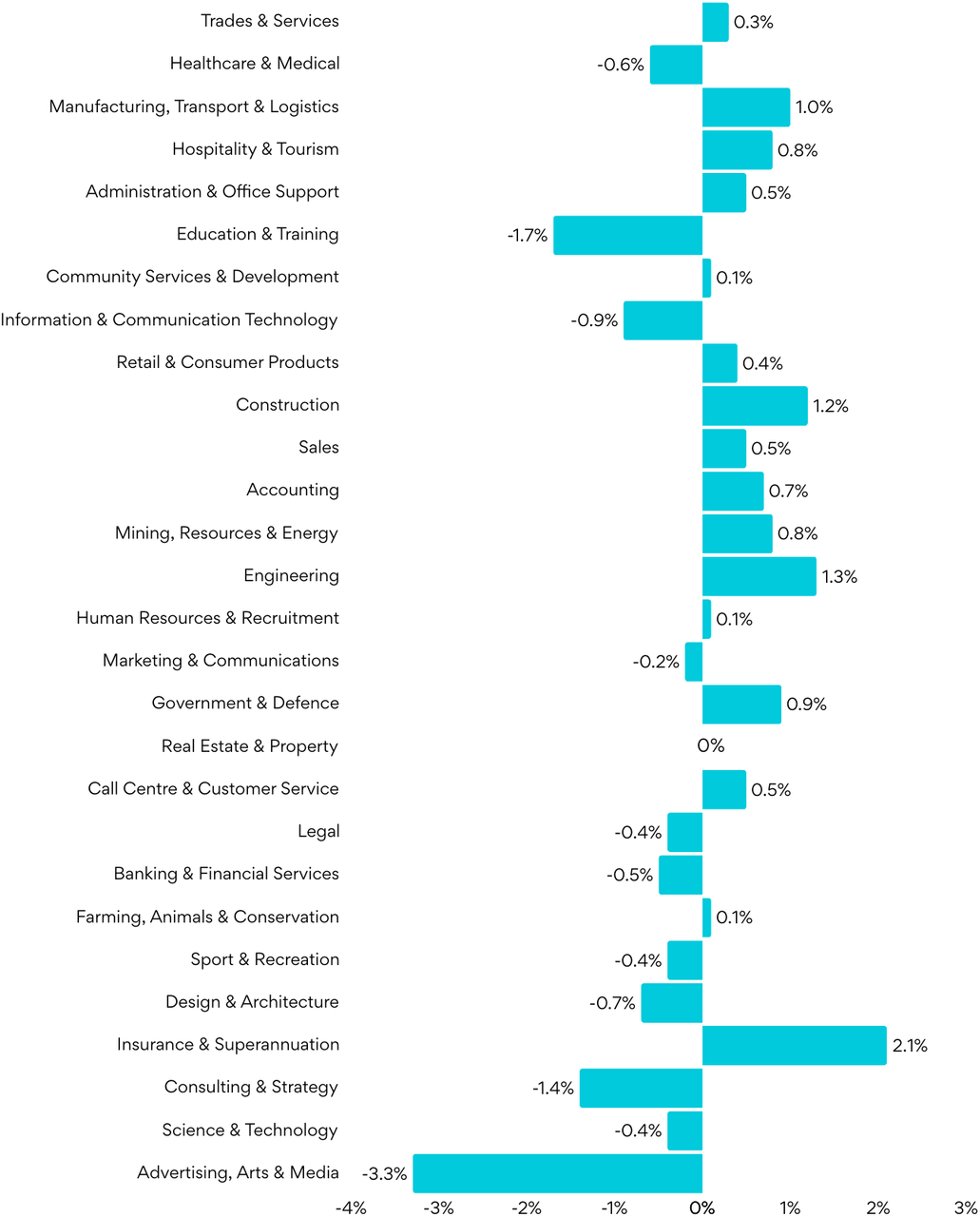
Its latest Employment Report revealed that job ads for HR and recruitment roles saw a 0.1% monthly increase in January.
This is in line with the growth recorded in job ads for January, where they increased by 0.7% month-on-month, and 0.5% quarter-on-quarter.
"In seasonally adjusted terms, this January was the fastest growing since January 2021. This means we now have three consecutive months of trend growth," said Blair Chapman, senior economist at SEEK, in a statement.
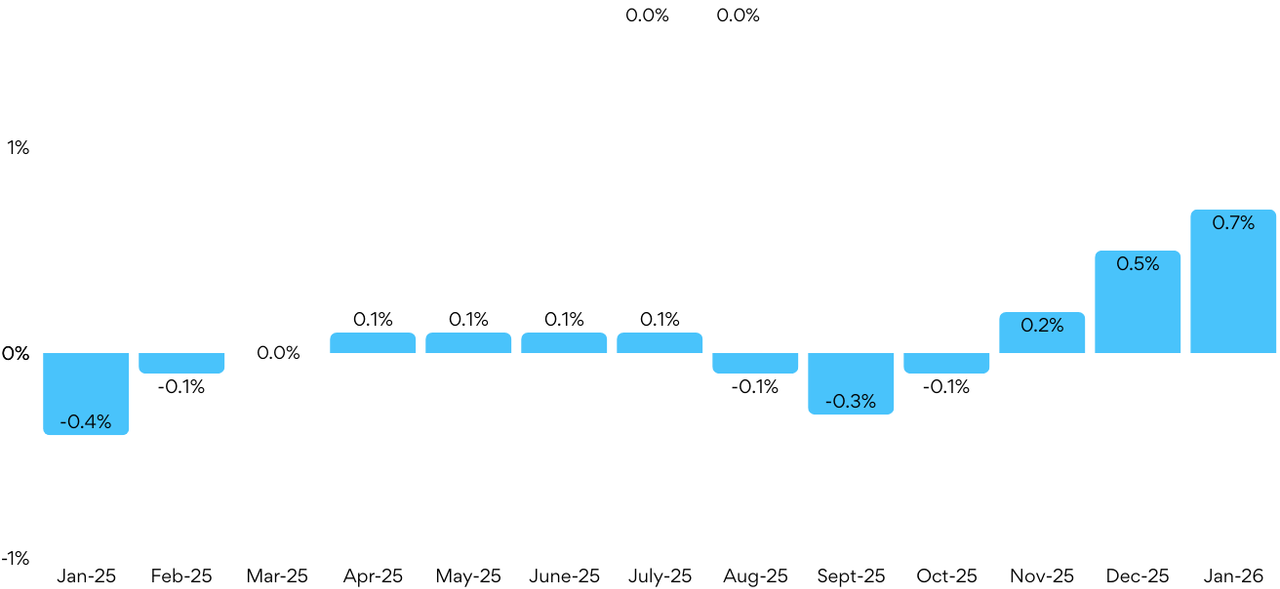
Annually, job postings also went up by 1.1%, according to the SEEK report.
"The labour market is neither accelerating nor declining. Instead, it appears to be stabilising at a subdued level," Chapman said.
"Whether this modest momentum can be sustained will depend on business confidence, consumer spending, and the trajectory of interest rates in the months ahead."
Job postings per industry
Demand for workers was strongest in the Insurance and Superannuation industry, which posted a 2.1% monthly growth in job postings.
This was followed by the Engineering and Construction industries, which posted a monthly increase of 1.3% and 1.2%, respectively.
On the other hand, the biggest monthly drop in job ads was recorded in the Advertising, Arts, and Media industry with a 3.3% decline.
This was followed by drops in the Education and Training (-1.7%) and Consulting and Strategy (-1.4%) industries.
"This month, like much of the past quarter, demand growth was concentrated in cyclical, goods-linked sectors such as Construction and Manufacturing, Transport & Logistics, while many professional and service-based roles continued to retreat," Chapman said.
Applications per job ad
Meanwhile, applications per job ad dipped 1.8% in December 2025, according to the report.
This marks the sixth month of incremental decline in job application rates, but the report noted that levels remain elevated.
"Despite consistent decline since June, levels remain elevated compared to pre-COVID norms, up compared to January 2020," the report read.