'It raises serious questions about authenticity and capability'
Filling job vacancies is already difficult, but HR leaders are now being warned of a “perfect storm” of artificial intelligence (AI) and the risk of fake candidates as the technology becomes more sophisticated.
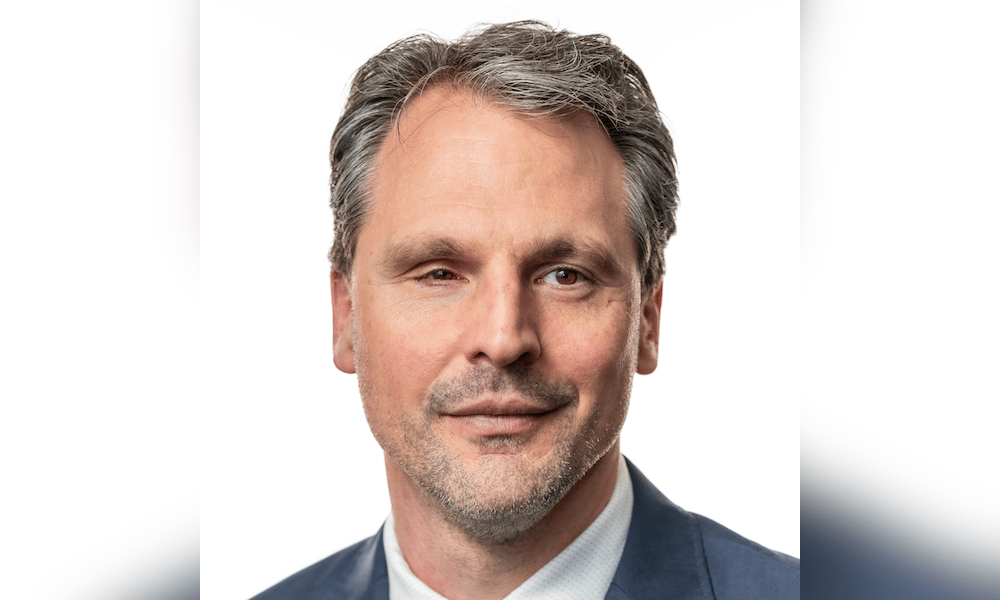
“The technology has gotten good enough to fool people already,” Dr Toby Murray, Professor of Computing and Information Systems at the University of Melbourne, told HRD.
“We’ve seen examples of financial scams being carried out through deepfake video calls... so we’ve certainly got all the ingredients now to start seeing fraud and misrepresentation during hiring.”
The comments come following research from advisory firm Gartner, which warns that AI-generated deepfake applicants are on the rise with one in four job candidates globally being fake by 2028.
"Generative AI (GenAI) are making deepfakes increasingly sophisticated and adaptable as advanced attackers can now mimic facial expressions, blinking patterns and even subtle micromovements with uncanny accuracy, confounding even the most advanced detection algorithms," the company's research warned.
It’s really challenging, Murray explained.
"There aren’t as many silver bullets as we’d like,” he said. “You can imagine a candidate applying with an AI-written resume, conducting a video interview while using real-time AI tools to help answer questions, and then continuing to use generative AI on the job. It raises serious questions about authenticity and capability.”
Guardrails in AI compliance in recruitment
It’s this that catches HR professionals out as the technology isn’t in place to deal with the problem – compounding the problem and outlining the importance of human oversight during the hiring process, Murray warned.
“Most tools that claim to detect deepfakes or AI-generated content aren’t foolproof,” he said. “The most effective approach will be a combination of good education for hiring managers, strong vetting processes, and critical human oversight throughout.”
That oversight is especially crucial as companies increasingly automate parts of the hiring process using AI — ironically, sometimes using the same technologies that fraudsters may exploit.
“We’re seeing a shift towards automated decision-making in recruitment, which compounds the problem,” Murray warned. “If the tech is good enough to fake people and it's also being used to screen people, then you’ve got a perfect storm. You can’t take the human out of the loop.”
Understanding AI to tackle recruitment issues
Murray outlined that HR leaders must take lessons from how universities are approaching the issue.
“If you've got someone sitting an online exam, perhaps it's being done over Zoom, but you still want to make sure that the person on the Zoom is who you think they are... And you can easily imagine similar scenarios that might arise in that setting."
Beyond the threat of fraudulent hires, the implications can extend to data security.
“Some people may not be after the salary from a job,” Murray noted. “They might want access to trade secrets or sensitive information. So, it’s not just about ensuring someone can do the work — it’s about verifying that they are who they say they are.”
Future of AI in recruitment
Looking ahead, Murray believes education and policy development will be key for organisations looking to stay ahead of the curve.
“Until we know exactly where and how these tools are being misused at scale, it’ll be hard to target our efforts properly,” he said.
“But awareness is the first step. HR needs to be proactive now, because the risks are very real — and growing.”