The company's own submissions didn't even address the offer
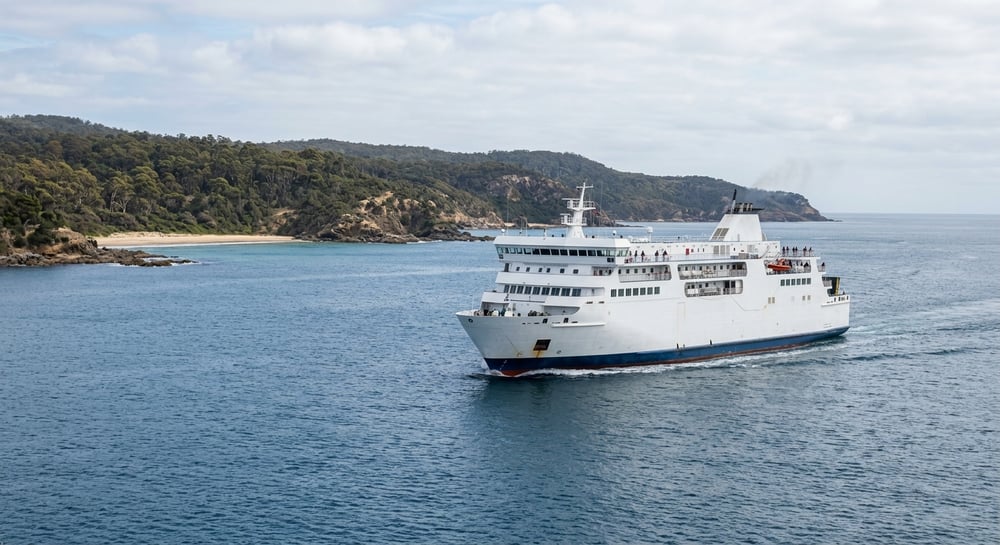
A seafarer's comp fight with the Spirit of Tasmania operator just got more expensive - after the company let a settlement offer slide.
The Federal Court of Australia handed down its costs decision on October 5, 2026, following a ruling in September that went entirely in the worker's favour.
The backstory is straightforward. The seafarer, employed by TT-Line Company Pty Ltd - the company behind the Spirit of Tasmania ferry service - claimed compensation for incapacity under the Seafarers Rehabilitation and Compensation Act 1992 (Cth). TT-Line denied the claim. Comcare, the federal body that oversees the compensation scheme, recommended that TT-Line revoke its determination.
TT-Line declined.
The matter went to the Administrative Review Tribunal, which backed TT-Line and affirmed its decision that the worker was not entitled to compensation. The worker appealed to the Federal Court.
On September 10, 2026, the court accepted the worker's argument. The statutory provision at the centre of the dispute, the court found, was "clear and unambiguous." The tribunal's decision was set aside and the matter sent back for a fresh determination, with a direction that compensation was payable.
That left the question of who pays the legal bills - and how much.
The worker pushed for what is known as indemnity costs - essentially full reimbursement of legal expenses, rather than the standard award that covers only costs considered fair and reasonable. The argument was blunt: TT-Line had run a hopeless case it should have known was "clearly foredoomed to fail," especially given Comcare's earlier recommendation.
The court did not go that far. While the law was clear, the court said it would not be appropriate to judge TT-Line's position with the benefit of hindsight. The tribunal had, after all, accepted TT-Line's reading of the statute - even if that reading was wrong. That gave the company some cover, and the Comcare recommendation alone did not prove the company's argument was completely untenable.
Then came the settlement offer.
Before the appeal was heard, the worker's lawyers served a formal offer to compromise under the Federal Court Rules. Dated June 17, 2026, the offer proposed that the appeal be allowed, the tribunal's decision set aside, and the matter sent back - essentially the same result the court eventually reached. The sweetener: the worker offered to pay TT-Line's standard legal costs.
TT-Line let the offer pass. Under the court rules, when someone makes that kind of offer and then gets a better result at trial, the other side faces a heavier costs bill from the date the offer expired.
TT-Line had already accepted that the worker was entitled to some costs. That meant the worker's final result was better than the deal on the table. The rule kicked in.
What made it worse was the silence. TT-Line's written submissions did not even address the consequences of the compromise offer. The court found no proper reason had been shown to avoid the elevated costs order. The result: standard costs before 11:00 am on June 19, 2026, and indemnity costs - the fuller measure - from that point on.
TT-Line had one more play. The company flagged it intended to appeal the substantive ruling and asked for the costs order to be frozen in the meantime. The court was unimpressed, calling the submission an "afterthought" with no supporting evidence, no identified grounds of appeal, and no attempt to show it would suffer any prejudice. The court also noted TT-Line had not even tried to freeze the main orders requiring it to pay the worker's compensation.
The application was refused.
For HR teams and safety managers handling workers' compensation claims, the case is a sharp lesson: fighting a claim against a regulator's recommendation carries compounding risk, and letting a reasonable settlement offer go unanswered can turn a loss into a significantly more expensive one.
The costs decision is final. TT-Line has flagged it may appeal the substantive September 2026 ruling, but no appeal has been filed and no stay is in place.