Businesses hail compensation reforms as major win that will deliver needed certainty
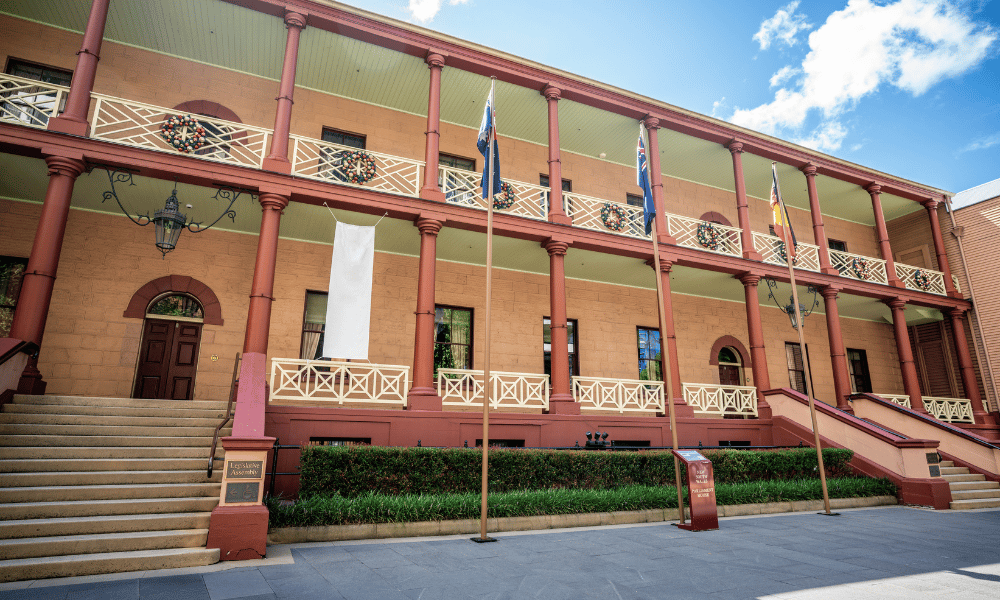
Reforms to repair the New South Wales workers compensation system have passed state parliament, delivering an 18‑month premium freeze for businesses and community sector providers and expanding support for injured workers.
The package, passed by the Legislative Council on Tuesday night and endorsed by the Legislative Assembly on Wednesday, is described by the government as "the most significant reform to workers compensation in a generation."
It is designed to stabilise the scheme, place it on a path to financial stability, prioritise prevention, and improve return‑to‑work rates.
Changes to compensation system
Under the reforms, there will be a legislated 18‑month restriction on average premium increases, sparing employers from significant hikes.
Without the changes, premiums for employers with no claims against them were expected to rise by at least 36 per cent over three years.
"These reforms finally allow us to stabilise the workers compensation system and return it to a secure footing," said Treasurer Daniel Mookhey in a statement.
"The scheme has been failing injured workers, employers, the non-profit sector and taxpayers for too long. That has now come to an end."
Other changes introduced in the reforms include:
- A new "Return to Work" intensive programme that provides an additional year of medical benefits and income replacement.
- New powers enabling the Treasurer to lower the WPI threshold, if in the public interest.
- A replacement programme for Business Connect.
- Changes to terminology surrounding the reasonable management action defence.
The reforms also adopt the previously agreed increase to the Whole Person Impairment (WPI) thresholds from the current 15% to 25% starting July 2026, before going up to 28% over the next three years.
The resolution is based on a compromise put forward by crossbench members in the lower house last year, following what the government said was extensive consultation over the past year with business, unions, and the community and not‑for‑profit sector.
"These reforms ensure early support to injured workers, a road to recovery and return to work," said Minister for Work Health and Safety Sophie Cotsis in a statement.
"It puts the scheme on the path to sustainability so that it can continue to care for injured workers and be affordable for business to fund."
A 'win' for businesses
Business NSW chief executive Daniel Hunter said the outcome was the result of a long campaign by employers concerned about the sustainability and cost of the system.
"These landmark reforms are an important first step in repairing a scheme which has too often failed both business owners and genuinely injured workers," Hunter said in a statement to HRD.
"This is a win businesses fought hard for and will deliver the certainty they need."
According to Hunter, a more sustainable scheme means predictable premiums, giving businesses the confidence to hire, invest, and grow, while ensuring the system is fair and functional for workers.
Other key changes that Hunter highlighted for employers in the reforms are:
- The employer reasonable management action defence may be relied on where it's the significant cause of the psychological injury.
- Clarifying that the new employer excess will apply to all claims made against a policy issued or renewed with the Nominal Insurer on or after 4pm on 30 June 2026.
Hunter said Business NSW would be closely involved in implementation to ensure that it is best suited to meet the needs of NSW employers and their workers.
He added that the business community looks forward to working with the government on the changes, including on Business Connect.
"To drive innovation and productivity across our state, Business NSW is calling for a doubling in the funding of Business Connect to at least $20 million per year," Hunter said.