New report reveals barriers preventing migrant workers from receiving healthcare

Migrant workers in Australia are taking fewer sick days than the average employee, according to a new report, underscoring the need for organisations to support migrant workers' physical and mental health needs.
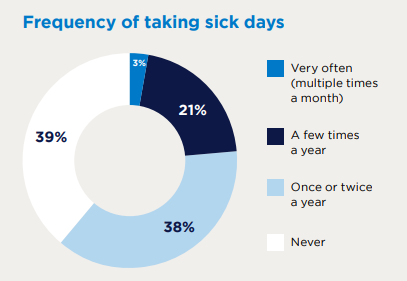
A new white paper commissioned by Bupa revealed that 39% of migrant workers in Australia had never taken a sick day before, while 38% had taken just one or two days off in the past year.
These figures are significantly different from the nine to 14 sick days taken by the average employee in Australia every year, according to the findings.
Challenges faced by migrant workers
Dr Tony MacDermott, Bupa Health Services clinical director, attributed the situation to other countries deporting migrant workers at their discretion when they are found to have certain health conditions.
"That may influence a migrant worker's perceptions of what their rights are in Australia," MacDermott said in a statement.
"For example, they may worry about losing their job if they take unscheduled leave, or that their visa status might be jeopardised if they have a certain condition."
As a result of these perceptions, just 13% of migrant workers who report poor or very poor mental health have sought help from a doctor, while only 18% have accessed some form of counselling.
But perceptions are not the only barriers for migrant workers, according to the report.
More than a quarter said they avoided medical treatment due to difficulty in taking time off work.
Another 41% said language barriers were a key [obstacle] in getting medical help, while 51% said cultural background also influenced their healthcare needs.
Addressing the problem at work
Employers have a role in addressing the challenges faced by migrant workers, according to the report, which stressed that workplaces should be agents of change.
"Support migrant wellbeing through inclusive education, diversity programmes, flexible work, and subsidised health insurance," the report stated.
Having virtual, after-hours, and on-site health services in workplaces may also ease the burden on migrant workers, according to the report.
It added that normalising mental health conversations, as well as delivering culturally tailored and language-accessible education and support through workplaces, can also reduce the stigma and improve wellbeing.
"Employers, policymakers, and healthcare providers must prioritise mental health while addressing workplace pressures and general workplace readiness, as well as visa uncertainty and financial stresses that are playing into the fear of taking sick leave," MacDermott said.
The report added that Australia should move beyond the "fix healthcare" narrative, and start normalising how sick leave is used, supporting people to be their best, and including wellbeing in conversations.
"Ensuring they receive adequate healthcare, mental health support and workplace protections is vital for maintaining resilient and equitable communities," it said.