One recruiting veteran explains why costly mis-hires are pushing companies toward already-proven candidates
Hiring has slowed down at a lot of companies, and the reason often has less to do with finding the right skills than with avoiding the wrong decision. Interviews now stretch into a fourth or fifth round. Offers take weeks instead of days. Companies want proof, before anyone signs an offer letter, that a new hire won't turn into an expensive mistake.
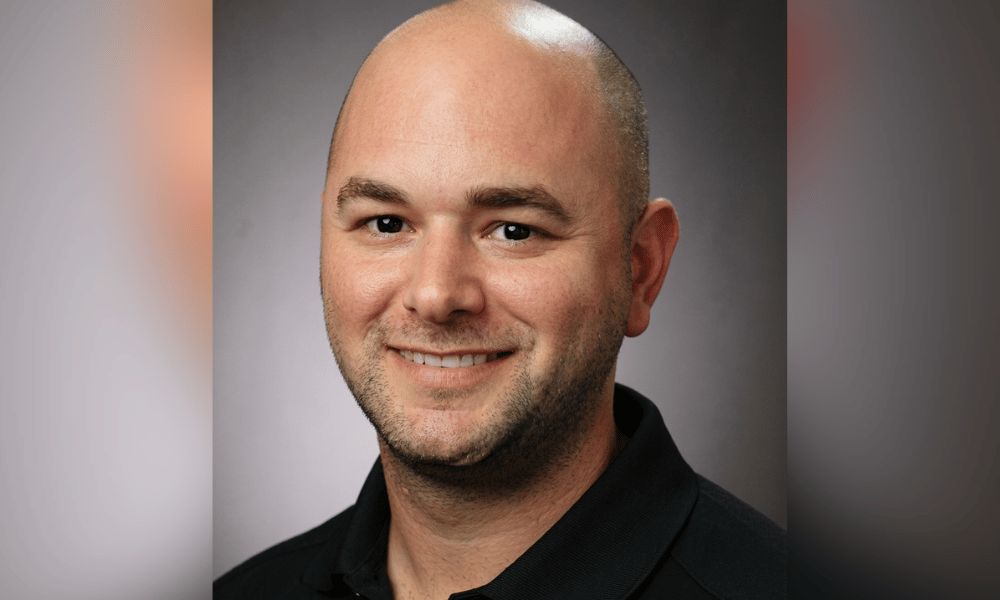
Matt Wohl thinks that's changing the very basis on which companies choose talent.
"I think we've entered this trust hiring economy," the recruitment veteran said, describing a shift away from traditional skills-based hiring toward candidates who have already demonstrated their value through referrals, public work or personal brands.
Wohl has spent 16 years in recruitment and five years in career coaching. He is the CEO and founder of Outplacer, an AI-powered platform that helps recruiters and career coaches build tailored resumes and interview prep for candidates, and a partner at The Wohl Group, a recruitment firm based in Ontario that serves clients across the U.S. and Canada.
Why hiring has gotten more cautious
To explain why employers have become more cautious in their hiring, Wohl offered an example to illustrate the stakes.
"If I hire you to do a job for $100,000, and you come in and make one mistake that costs my company a million dollars, well, you were an expensive hire," Wohl said.
"Now I've got to replace you, and I'm not just going to hire the next person with a similar skill set. I'm going to be very cautious, because I don't want to lose a million dollars again."
That caution shows up in the data, too. A 2025 industry report found that rushed, poor-quality hires drive up turnover and retraining costs, with more than half of employers citing higher costs tied to replacing or retraining someone who wasn't the right fit.
AI has only added to that pressure.
It's increased the number of applications employers receive, making it harder to screen candidates carefully before extending an offer. A 2025 Resume.org poll suggested AI could even run entire hiring processes by the end of 2026, and employers are already using the technology to interview candidates and reject applications before a person ever reviews them.
That flood of applications has made it harder to trust who's actually applying. A 2026 report found that nearly a quarter of employers encountered a fake or fraudulent applicant in the past year, deepening the wariness on both sides of the hiring table.
Familiarity is becoming the new resume
That risk, Wohl said, is changing who gets hired in the first place.
"Because hiring is so expensive and there's so much risk, people are going to hire not in a biased way, but in a familiarity way," Wohl said. "People who've created brands for themselves, people who are referred to them, people who've proven themselves publicly."
That's why Wohl teaches the candidates he coaches how to adapt to this new reality.
"If I'm career coaching people, I'll tell someone, you have this unique skill," Wohl said. "If you go out and publicly create content around that, you'll create a brand awareness about yourself that's very attractive. It will highlight how you are a solution to a number of different problems, and people will be more inclined to go out and hire you to solve their problems because you've proven publicly that you can, and that makes you less of a risk."
He said that dynamic isn't limited to a handful of industries.
"We're headed down that road for a lot of professions," Wohl said, "and the bar to get there is actually pretty low."
Some jobs can't be filled on reputation alone
Wohl said proven, visible candidates aren't the answer everywhere. Skilled trades are the exception, he said. There just aren't enough people to go around.
"If you're looking at skilled trades, there are generational gaps in who's going to take over a lot of these jobs," Wohl said. "Finding people to do electrician work, CNC [computer numerical control] machining, mechanical engineering, that's always going to be harder."
You won't fix that kind of shortage by posting a job and waiting for applicants, he said. It takes someone actively searching.
"You need headhunters to actively find these people, and that's where good recruiters are going to be beneficial," Wohl said.
That active approach, seeking out candidates rather than waiting for them to apply, is the kind of work familiarity-based hiring can't replace, regardless of whether a recruiter or a hiring manager is the one doing it.
It's also not something Wohl thinks AI can replicate. Government labor data shows steady long-term demand for human resources specialists, including recruiters, even as hiring technology spreads.
"I don't think AI is going to replace good recruiters," Wohl said.
The ones most at risk, he said, are those tasked with administrative work rather than actively sourcing candidates or applying any real understanding of hiring psychology.
"If you're humanizing the way you recruit, if you understand the psychology of hiring, and if you know how to read between the lines and recognize the transferable skills behind a career gap, then recruiters will not be replaced by AI," he added.
"At the end of the day, people still work with people."