Expanding into new markets takes more than strategy
For UK-based global health and risk management business Healix International, entering the Australian market began with strategy—but, as with any growth initiative, its success hinged on people.
“Our core purpose is to safeguard people’s health and wellbeing every day, in every corner of the world, and it’s our own people that enable this to happen,” Healix International’s People Director, Emma Harris, told HRD.
“Ultimately, our expansion is about people – the people we serve, the people we recruit, and the people we enable to grow.”
From planning to execution
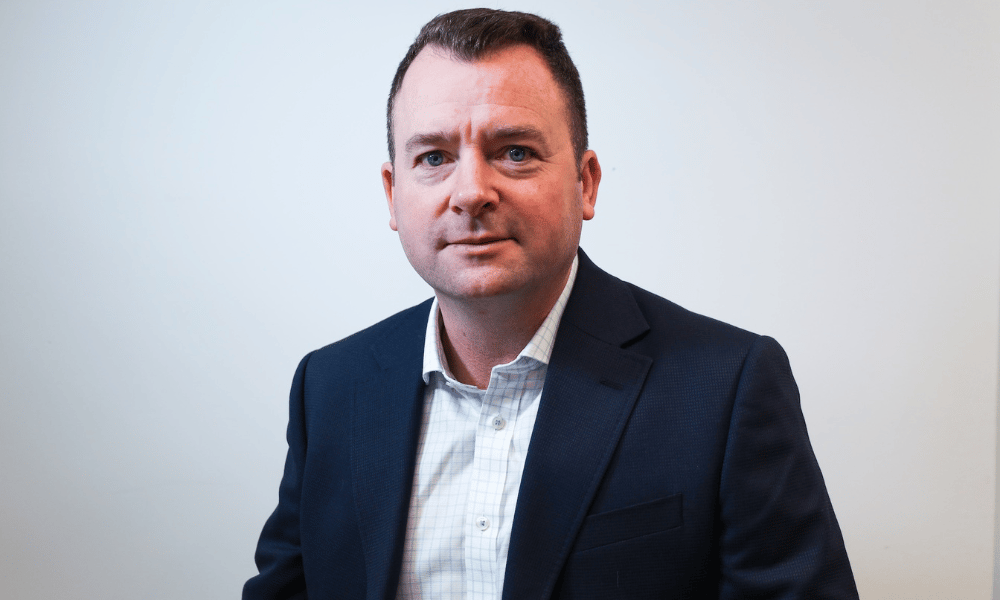
Healix CEO James Henderson (pictured above) said once the decision was made to set up a new office in Australia, the business put together a transformation team.
“You can have the best strategy in the world, but without the right people in the right places, it’s meaningless,” he said. “HR is central to turning strategy into action.”
“The legal team and the P&C function were involved in pretty much every conversation we’ve had. It must start and end with them.”
After considering issues such as access to talent and operational costs, Melbourne came out at the top of the list.
“We’re a medical and security assistance company, so we need everything from intelligence analysts to doctors and nurses,” Henderson explained.
Once the location was set, HR’s role shifted from planning to execution.
According to Henderson, this is where too much data and trying to make the perfect decision can paralyse a team.
“You can’t allow all that uncertainty into your decision-making. Sometimes you just have to make a decision, even if it’s not perfect, and move on. That’s why you need buy-in from everyone," he said.
“Executive teams are responsible for unlocking decision-making capabilities – and that all stems from having a good culture and making your colleagues feel empowered. Otherwise, you can become paralysed.
“Sometimes you can only play what’s in front of you… let’s make a decision for six months and we’ll review it.”
Building local capability
A key part of the expansion into a new country was building up local knowledge, and Henderson said Harris invested significant time to understand Australia’s legal and cultural landscape.
“Get local expert advice—you can’t know everything. But also make sure your HR team is learning as they go, because you can’t rely on consultants forever," he said.
“At some point, you can’t control everything from the centre. You have to trust your local capability to act — and to hire the right people themselves."
Managing change and enthusiasm
The opening of a new global office has brought one unexpected HR challenge - strong interest from staff wanting to relocate to Melbourne.
“It’s a nice problem to have, but you can’t build a business entirely on relocated employees. HR has to manage that enthusiasm while still building a strong local workforce,” Henderson said.
For Henderson, HR, along with his legal team, are critical to the transformation the company is aiming to achieve.
“My HR function is my right and left hand in this transformation,” Henderson says. From organisational design and restructuring to managing expectations and building capability, HR is involved in every major decision," he said.