Mining giant says it could shutter mines over state taxes
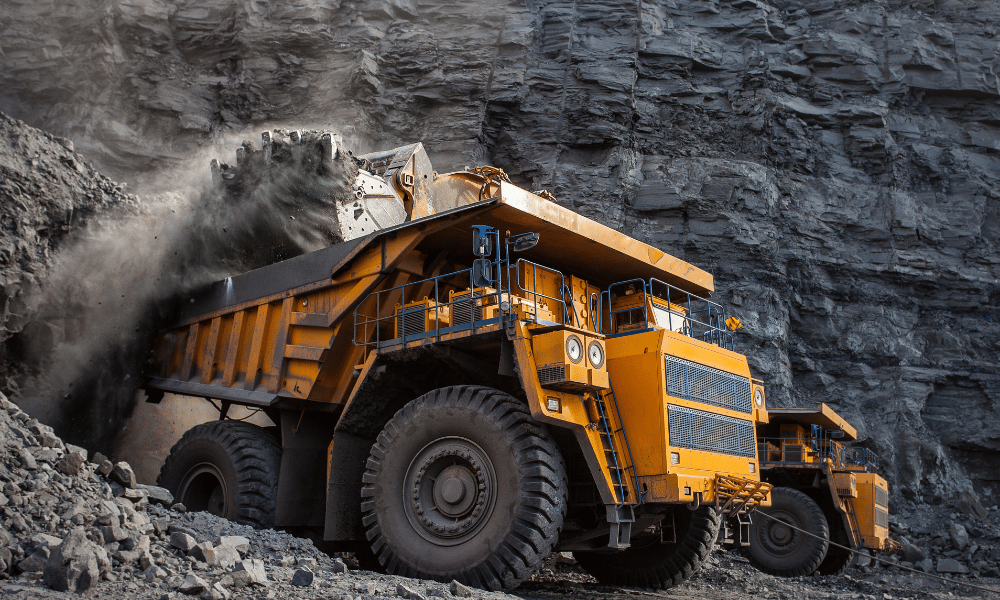
BHP has warned sustained low coal prices and Queensland’s royalty regime could force it to reassess the future of some of its mining operations, raising concerns for thousands of employees and contractors in the state’s Bowen Basin.
The company, which jointly operates the BHP Mitsubishi Alliance (BMA), said on Tuesday that “options to pause lower margin areas of our operational footprint will be considered” if current conditions persist.
The caution comes despite BHP’s overall revenue of $US51.3 billion for the year to June — an 8 per cent decline — and a 26 per cent fall in attributable profit to $US10.2 billion, its weakest result since the start of the pandemic.
BMA is Queensland’s largest producer of metallurgical coal and directly employs more than 9000 people, including contractors. In the past decade, it has also paid more than $21 billion in royalties to the state government, with $1.5 billion contributed in FY25 alone. In the most recent financial year, the company spent more than $1.4 billion with over 820 local suppliers and more than $100 million with Indigenous businesses.
For the mining giant’s HR team, the risk of operational pauses highlights a looming workforce challenge. Even partial closures would have implications for labour mobility, training continuity, and local economies that rely heavily on mining wages.
Chief executive Mike Henry told analysts that due to the royalty changes introduced under the former Labor government, the company had “less ability or willingness … to see through those tough times and perhaps carry some negative cash flows.”
In addition to royalties, BHP has pointed to the Albanese government’s industrial relations reforms as another source of uncertainty. The miner said changes to workplace laws were complicating workforce planning and increasing labour cost pressures at a time when margins were already under strain. HR departments in the sector are watching closely, as alterations to bargaining frameworks, job security measures, and contractor rules could all influence the cost base of major employers.
The warnings from BHP come just as the Queensland government confirmed a royalty deferment arrangement with Bravus Mining and Resources, operator of the Carmichael mine in the Galilee Basin.
That agreement, finalised under Premier David Crisafulli, allows Bravus to channel $50 million of near-term savings into infrastructure and worker accommodation, in return for higher production and 600 additional jobs. While Bravus must repay the deferred royalties with interest, the deal underscores the political sensitivity of maintaining both jobs and investment in mining communities.
Royalties remain central to Queensland’s finances. In 2022–23, mining royalties provided about $18.2 billion — close to 50 per cent of the state’s own-source revenue. However, receipts are projected to fall sharply to $7.9 billion in FY25, down from $12.8 billion in FY24, reflecting the volatility of commodity markets. This places further pressure on both government budgets and corporate workforce planning, as mining towns face greater uncertainty over future stability of employment.
Despite the headwinds, BHP maintains that demand for higher quality steelmaking coal, particularly from India, will remain resilient for decades. Yet in the shorter term, HR managers across the sector face a dual challenge: adapting to cyclical price fluctuations while responding to structural changes in regulation and labour markets.
For BHP’s employees and contractors in Queensland, the coming year could determine whether operations continue uninterrupted or whether cost pressures force the miner into decisions that reshape workforces across the Bowen Basin.