
Jump to winners | Jump to methodology
Conviction, compassion, resilience and innovation are just some of the words used to describe HRD’s Elite Women 2025, who have proven their ability to deal with the sector’s emerging issues: digital literacy, data-driven decision-making and organisational design.
While they are active across industries and companies of varying scales, all are recognised for their professional excellence. Nominators from the HR sector in Australia, New Zealand and Asia describe what they believe are the Elite Women's difference-making qualities.
“Someone who uses her voice, vision and values to create meaningful, lasting impact.”
“A woman of influence is not afraid to stand up for what is right, and who will say the thing that everyone is thinking but is too scared to say. She will use her positions to advocate for others and make sure they are heard. She doesn’t wait to be invited to the conversion; instead, she ensures she’s an integral part of it.”
“Her contribution to employment relations goes beyond client work. She’s often called on by community organisations and not-for-profits to run free or low-cost training sessions in workplace rights and responsibilities.”
“She has a remarkable ability to connect strategic organisational goals with the lived experiences of employees. She has led initiatives that challenge systemic bias and promote genuine diversity as a core organisational value. Her work has directly improved representation, access and support for historically marginalised groups, and has left a lasting impact on countless individuals and institutions.”
All of 2025’s Elite Women are role models across the industry, and many have risen to senior positions. This progression and achievement should not be taken for granted, according to Christine Iannerella, associate director of professional services, Brisbane, at recruitment specialist Robert Walters.
“More women are stepping into executive HR roles compared to a decade ago. However, true equity at the very top is still a work in progress,” she says. This is illustrated by Robert Walters data, which shows the difference in workplace experiences:
57% of men believe their organisation has strong female role models.
31% of women share this view.
67% of women cite bias and unequal access to opportunity as key barriers, compared to 28% of men.
Iannerella says, “These disparities underscore not only the persistence of barriers, but also the urgent need for greater awareness and action to ensure women have equal opportunities to advance into leadership.”
The Elite Women are also part of a trend in which HR professionals are increasingly providing strategic value to organisations, prioritising team culture, employee retention and continuous learning.
“They need to go beyond functional expertise and truly operate as a strategic business partner. That means having deep knowledge of people practices while staying curious and attuned to how HR drives business performance,” says Felicity Empson, human resources director at Randstad Australia. “It’s also about being a genuine advocate for people and culture – creating inclusive workplaces, championing ethical practices and being the voice of reason in areas like the responsible use of AI.”
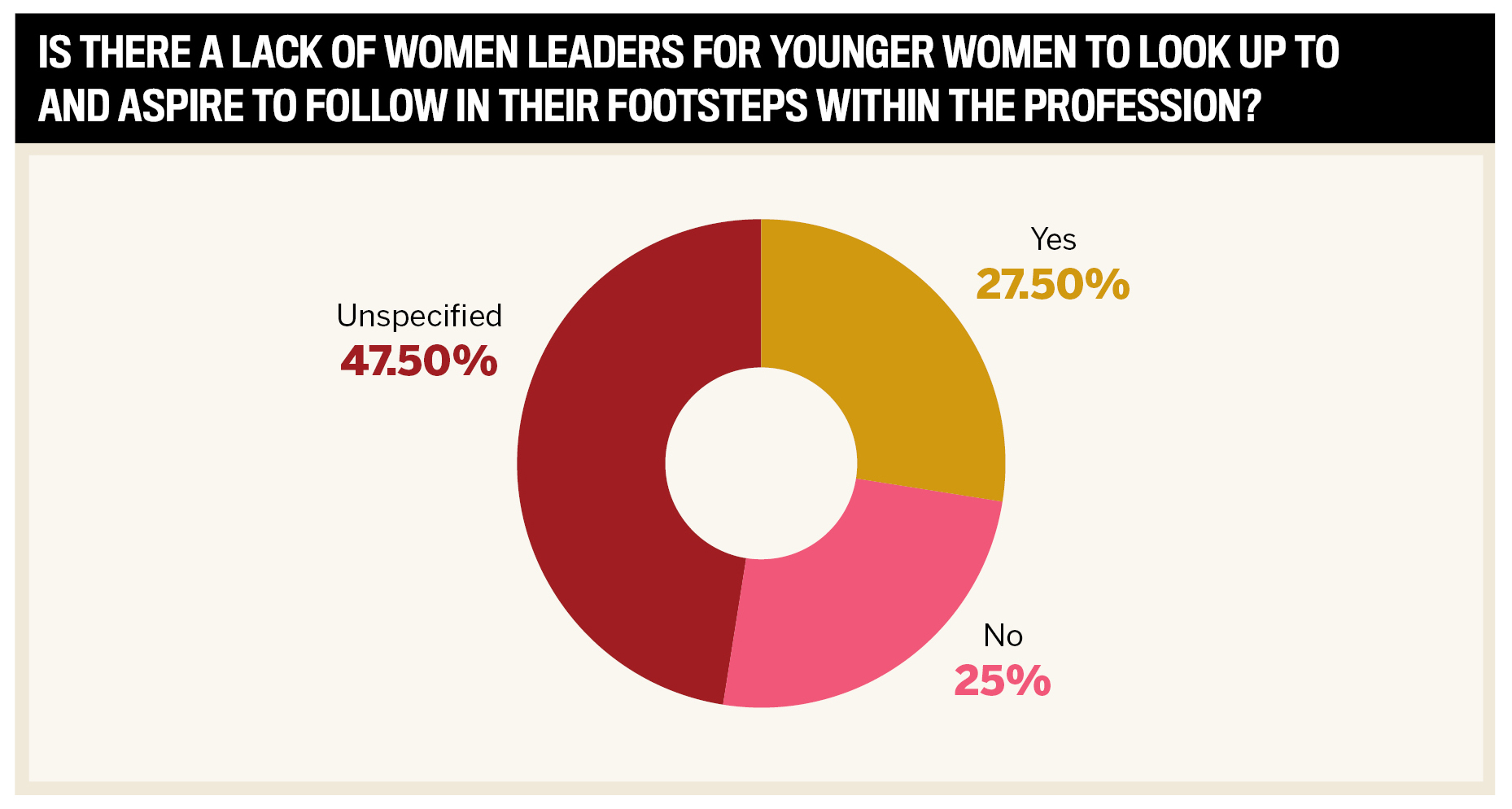
While there have been equity improvements for women in the industry, Empson states that unconscious bias remains.
“Career breaks for maternity leave or caring responsibilities can also present hurdles, with women often seen as less committed or available, and facing challenges in regaining career momentum,” she says. “In addition, women are less likely to benefit from the sponsorship and networks that open doors to advancement – while mentorship programs exist, sponsorship remains patchy and inconsistent.”
Iannerella adds that execution on ED&I policies must be improved to attain higher levels of gender equality.
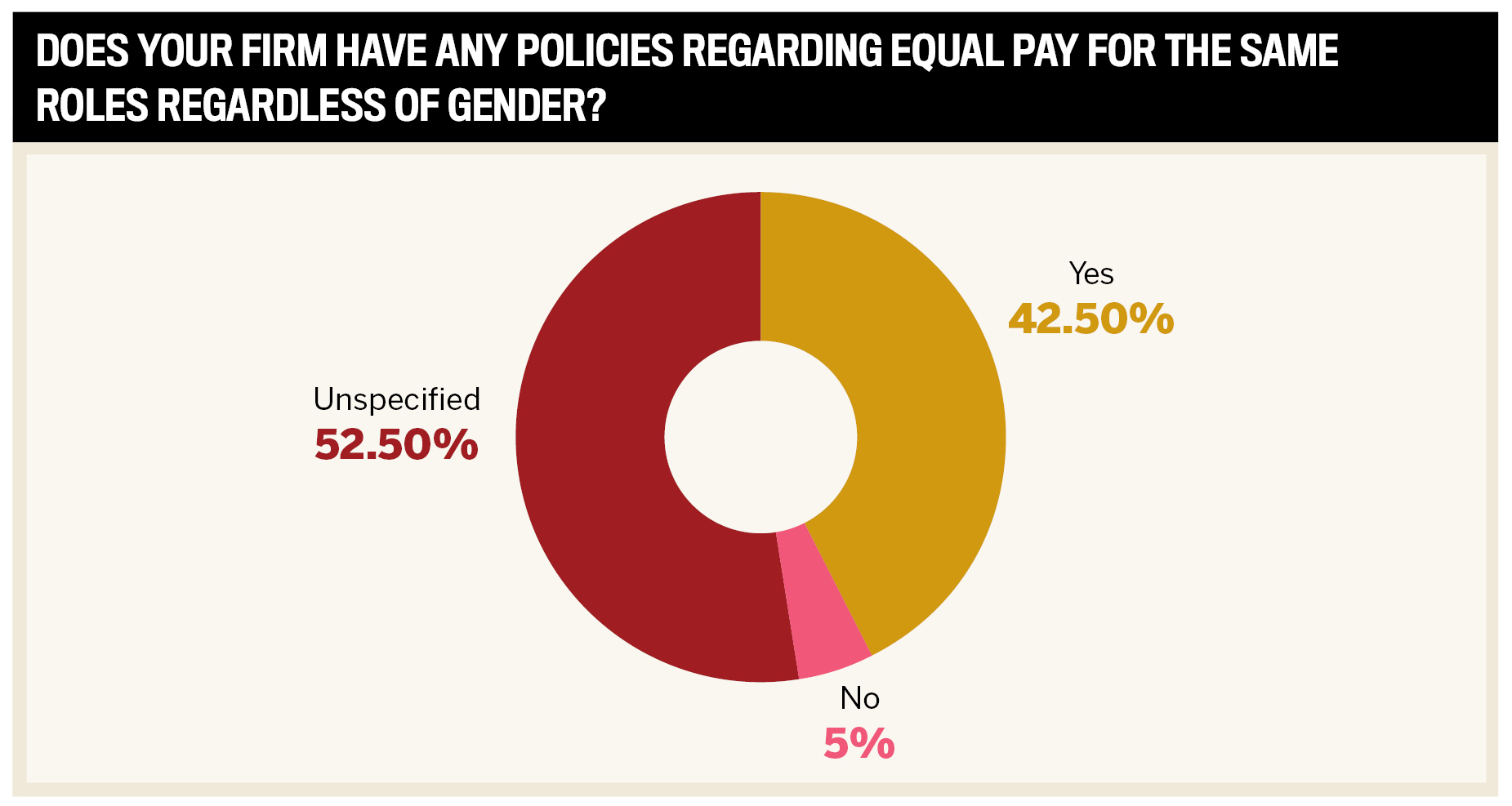
She explains, “Organisations need to go beyond policy and create real accountability for change. This includes inclusive succession planning, flexible career pathways that support different life stages, and leadership pipelines that actively sponsor and promote women. Equally important is ensuring ED&I policies are not just written but enforced, with visible female role models at the top to inspire and guide the next generation.”
Ability to see the big picture, connect complex issues and translate strategy into actionable results
Skilled at aligning HR initiatives with business goals, ensuring both organisational and people outcomes
Known for disciplined follow-through and delivering high-impact, practical solutions
Leading with empathy, compassion and care for people’s well-being
Deep commitment to understanding and supporting individuals, building trust and fostering environments where people feel valued and safe
Creating workplaces that prioritise psychological safety and inclusion
Expertise in driving large-scale, complex HR transformations across geographies and industries
Courage to challenge the status quo, question legacy systems and lead meaningful change
Turning ambiguity and complexity into opportunities for growth and improvement
Strong ability to connect people, build networks, and foster collaboration across teams, cultures, and levels.
Influencing and mentoring others, empowering future leaders and advocating for inclusive growth.
Effective communication and interpersonal skills, enabling influence at all organisational levels.
Leading with a clear sense of purpose and authenticity, staying true to personal and organisational values
Passionate about nurturing others, inspiring teams and radiating positive energy
Commitment to continuous learning, self-improvement and lifting others as they grow
Strong business acumen, connecting people strategies to commercial outcomes
Using data and analytics to inform decisions, optimise structures and drive measurable business impact
Ability to adapt strategies to diverse cultures and contexts, balancing global vision with local relevance
Listening deeply to regional needs and customising approaches for maximum impact
Demonstrating resilience in challenging situations, staying grounded and calm during change
Known for getting things done, building trust through reliability and accountability
Dedication to mentoring and developing others, especially junior professionals and underrepresented groups
Using influence and experience to open doors and create opportunities for others
HR Business Partner
Location: Perth, WA
Over the past three years, Monique Attrill has played a pivotal role in improving the organisational culture at TransAlta Energy. This began with defining values and educating employees on their significance. As part of this effort, Attrill formed a ‘Culture Squad’ consisting of representatives from across the business, along with providing overall support and direction.
The impact is evident as the firm’s cultural rating improved from 72% to 97% by 2024, and led to the Australian business winning the TransAlta President’s Awards for Culture and ED&I.
“I’ve been fortunate enough to be heard as it has fostered an environment where I can put out ideas,” Attrill says.
Colleagues praise her for dedicating hours to ensuring TransAlta’s staff are well-informed about company initiatives and actively listens to feedback. She knows many of the 100 or so employees’ partners’ and children’s names, developing a bond that strengthens her decision-making.
“We have teams in different areas of WA, and they all face different challenges. It’s about trying to understand all these environments and circumstances that our employees are in and how we can support them through that,” Attrill explains. “Once you’ve built the relationships, it is then much easier to have a span of influence.”
When one of TransAlta Energy’s largest Australian clients faced difficulties, she avoided redundancies through natural attrition and rescheduled shifts. This was due to the high level of communication with her team.

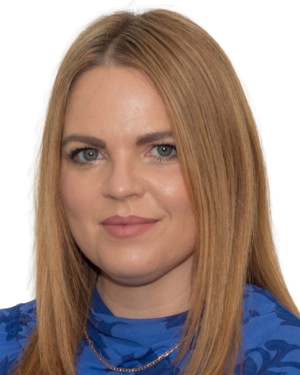
“It’s definitely been a challenge; work does look a bit different now. It’s about remaining close to those in the business to help them understand how we are supporting them and how we are embedding these changes,” she explains. “I’m proud to say that we were able to do it without having any redundancies. That was through shifting workload, so that the ones who had long histories with us could remain within the business.”
Attrill also led the negotiation of a new collective agreement with TransAlta’s Australian employees, balancing the desires of employees with business realities. Through this experience, Attrill’s solutions included finding middle ground with policy amendments when other options were not available.
Attrill says, “Once they’re in place, agreements are there for four years and we’re not going to lodge amendments to them.”
Another initiative Attrill spearheaded was launching the firm’s first Volunteer Day program, which not only fostered team building but provided employees with an opportunity to give back to the communities in which they operate. All employees were given a full day from work to volunteer, with many employees helping the Perth Food Bank.
Similarly, for 2025 International Women’s Day, Attrill arranged a panel of speakers from within the business to share their personal and lived experiences. Both events sparked conversations that are still reverberating across the business.
As a working parent of three children, Attrill appreciates the need for flexibility and is appreciative of working in an environment that offers it. And it also spurs her on to provide a similar experience for other staff.
“I want to create an environment where, if you work hard and show up, you get the benefits and flexibility. And to know that you can actually have both. I’m grateful that I’ve not been held back because I am a working mother and I want to keep that going for others.”
Director of Operations
Location: Singapore
Geetha Mukunnan has driven her firm to meet and exceed industry benchmarks. Most notably, under her leadership, the company attained the Progressive Wage Model (PWM) mark for 2024–25 and 2025–26, showcasing her proactive commitment to uplifting low-wage workers and embedding sustainable wage practices.
By explaining the benefits of the PWM, a Singaporean government initiative, and its availability to not only workers but also organisations, Geetha was able to convince Service Connection’s clients within months.
“One of the biggest hurdles was to get stakeholders to buy in. Many of them had not even heard of what PWM was all about,” she says. “Many of the companies were also not ready for this. This is where we had to teach them how it would benefit the client, as well as the individuals who were facing challenges.”
Further reinforcing her operational excellence, Geetha successfully led Service Connections to achieve bizSAFE Level 3 certification, demonstrating her commitment to workplace safety and risk management.
And she also supports the Tripartite Guidelines on Fair Employment Practices not only within Service Connections but across other organisations, actively guiding them towards more equitable, merit-based hiring and retention practices.
Geetha’s work is underpinned by a strong commitment to inclusive leadership. She takes a people-first approach, advocating for staff development and wellbeing. As part of this, she encourages upskilling, sponsors training opportunities and supports employees in pursuing further studies, fostering a culture of continuous learning and empowerment.
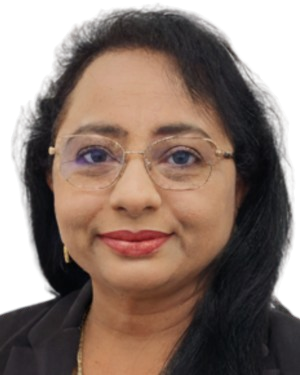
Another role that she fulfills is representing the employer’s voice in national policy discussions as a long-standing member of the Singapore National Employer Federation since 2012. This involves participating in dialogue sessions with the Ministry of Manpower, contributing valuable insights into current HR issues, regulatory changes and workforce development strategies.
Even with the demands of her bustling career, Geetha has found time to earn both bachelor’s and master’s degrees to add to her HR certifications. Embarking on this journey has allowed her to soak up valuable insights, learning from her technologically savvy cohort. She also completed her Data Protection Certification and serves as the data protection officer at Service Connections.
This mindset of continuous learning is essential in the modern HR space, according to Geetha, who aims to inspire her coworkers – particularly women – to always remain open to new ideas. “In today’s era, what we learned yesterday is an obsolete item today,” she explains. “It’s very important, especially being in HR, for us to instil confidence in all employees, to say we are beside them.”
Geetha not only shapes policies and practices but transforms lives – both within and beyond the HR industry – and her legacy is one of leadership, compassion and tireless service.
General Manager, Mining Services, People & Culture
Location: Perth, WA
Having spent much of her career working with large companies, Lois Andrijich starts HR systems from scratch for small businesses looking to scale. She didn’t begin in HR and was attracted to the profession.
“What drew me in was the ability to work with people. I like the mix of people interaction and how that comes together to create really successful businesses,” she says.
The concept of Life at Work was born to bridge a gap in the market where many companies were unable to afford internal HR teams. This situation leads to owners writing contracts using online templates and straying into areas where they are underqualified.
Andrijich explains, “I work with them to set up the foundations, so they know they’ve got the right contracts in place and they’re paying their people properly. We then think about engaging their people, supporting them and retaining them in the business.”
All employees at Life at Work are female and Andrijich has prioritised a flexible work environment. For example, one is a senior mother who works when her time allows, while another’s study schedule is accommodated. She says, “I’ve been able to provide an environment that supports women, which is why I think we’ve had our team stay with us for so long. It’s been really positive.”

Andrijich has recently begun tracking the value her services provide, something she says is crucial to demonstrate the tangible benefits for clients. While she concedes that calculating these benefits is “not an exact science,” Andrijich highlights value found through:
reduced turnover
mitigating risk
cutting costs on office moves
“I’m always very conscious that HR is an area that is a cost to the organisation, and we’re not necessarily generating revenue,” she notes. “Being able to quantify the value that you’re delivering is so important as an HR professional, because it means you can say for example, ‘Across the year, I have saved $10,000 by these types of things that we’ve put into place.’”
Key to Andrijich’s continued success is her ability to combine interpersonal skills.
“I’m genuinely interested in building rapport. You need to be able to consider people and emotions and everything that’s going on with a person,” she says.
Showcasing her innovative mindset, Andrijich noticed the number of workers who lost their jobs in other industries during the pandemic. While working for the largest disability services provider in South Australia, she devised an idea to take advantage and boost their workforce.
“I went to the board and had a special type of role approved, which was almost like an entry-level disability support worker role that didn’t require the qualifications needed for a higher-level role,” she says.
Proving her commitment to the HR profession, Andrijich holds an executive P&C role with the mining services provider Norcliffe Group. As the first woman in their executive team, she has been able add influence, challenge thinking and create more opportunities for women. She also serves as a non-executive director for organisations such as a not-for-profit community services provider that delivers drug and alcohol and mental health support.
Andrijich adds, “I believe that sharing knowledge and expertise is an important part of giving back to our communities.”
Leading East Executive, a boutique consultancy that partners with clients across higher education, defence, technology and advanced manufacturing to drive transformation, scale operations, and de-risk business-critical change, is a challenging yet fulfilling role.
Jessica Ciccozzi has played a critical role in several complex projects:
Leading workforce transition streams during the University of Adelaide and University of South Australia’s merger, the largest university merger in Australian history
Delivering a business-critical restructure for Saab Australia, including executive realignment and C-suite appointments
Ciccozzi operates as a consultant and is free to rapidly progress projects, whereas the executives in those businesses are more constrained by their day-to-day responsibilities.
She says, “My ability to quickly identify root causes, deliver scalable solutions and provide trusted, high-impact advice to founders, boards and executives positions me as a truly elite executive advisor.”
Ciccozzi’s effective communication is paramount for her role in organisational restructurings, ensuring employees and organisations are kept updated. What matters to her is avoiding corporate jargon and telling it straight to staff.
“To be able to sell why you’re changing your approach is huge,” she notes. “You need to explain the impact it’s going to have and how it’s going to benefit the employee.”
While Ciccozzi was never given mentorship by other HR professionals, she received crucial advice from other leaders, which provided her with a better understanding of what they want from HR teams.
“I’ve never worked for an HR director – it’s always been me and then a team below,” she explains. “What was really valuable was the mentorship I had outside of HR with CEOs, CFOs, chief growth officers and chief commercial officers. They’re the people who have really rounded out my career in terms of that commercial impact.”

Despite having a sterling reputation and a successful track record, Ciccozzi ensures she is ahead of the curve by reading widely and engaging with new processes. Her focus extends across emerging areas such as AI and ESG.
“If you want to be progressive, you have to understand what’s coming and develop your strategy and refine as you go.”
Showing her commitment to the sector, Ciccozzi serves as a risk committee member and executive advisor to the board of GuardWare, a cybersecurity firm, where she provides strategic oversight and counsel. She is also a member of the South Australian Skills Commission’s Defence and Space Technologies Industry Skills Council, advising on industry skilling priorities at the state level.
Throughout all her work, Ciccozzi has an overarching guiding principle: “You can be visible and say all the right things, but people don’t remember what you say; they remember how it impacted them and how it felt for them.”
The Elite Women are conscious of the need to pass the baton and enable others to succeed.
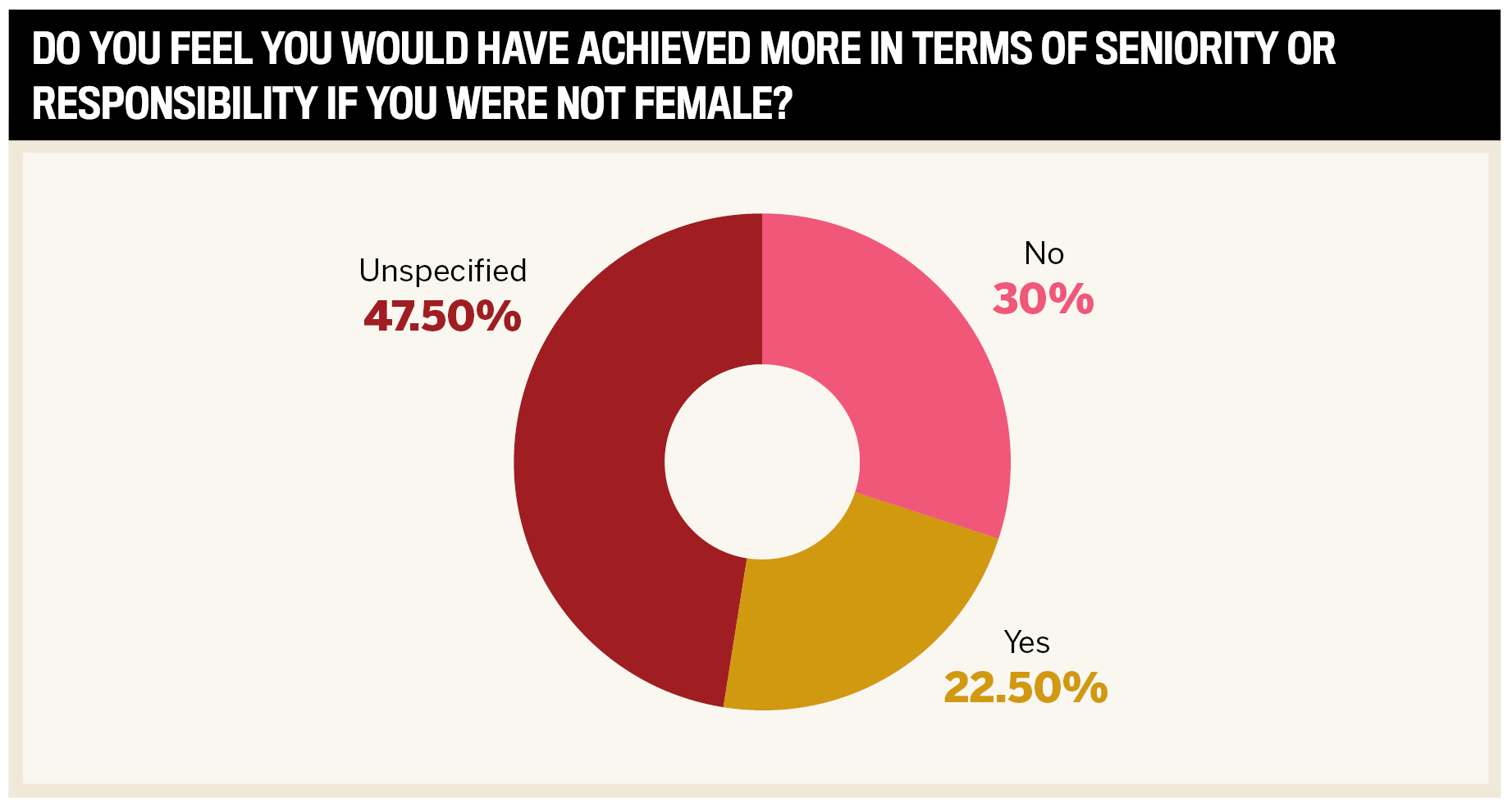
Ciccozzi cites how HR is traditionally a female-dominated field as males tend to be in roles such as data analytics and industrial relations. “I find it really challenging. Everyone is trying to get more women into business, but in HR, it’s trying to find ways to get more males into the business.”
And she adds, “A lot of that comes to mentoring and how you leverage the different skills in the more traditional disciplines and get them into more business-partnering-type roles. For diversity of thought, it’s really important to get more men into HR.”
Meanwhile, Geetha highlights using her skills on behalf of an employee who was expected to resign after a life-altering medical diagnosis for her husband. “We managed to link her with different organisations that were providing assistance to such women and eventually she managed to continue in her job,” she says.
For Andrijich, an important factor is ensuring women are more vocal and avoid the stereotypical fear of failure. She explains, “Women won’t go for a role unless they can do nine out of 10 of the things, but men will if they can do five. I always say to women, ‘Throw your hat in the ring because if you don’t try, then you’ll never know.’”
Adaptability and continuous learning
Ability to cultivate engaged workforces
Strategic leadership
Championing diversity
Balance of business acumen and human skills









HRD invited industry professionals from across Australia, Asia and New Zealand to nominate exceptional female role models for the inaugural Elite Women list. Nominees had to be working in a role that related to, interacted with or in some way impacted the industry and should have demonstrated a clear passion for their work.
Nominators were asked to describe the nominee’s standout professional achievements over the past 12 months, initiatives and innovations, and contributions to the industry.
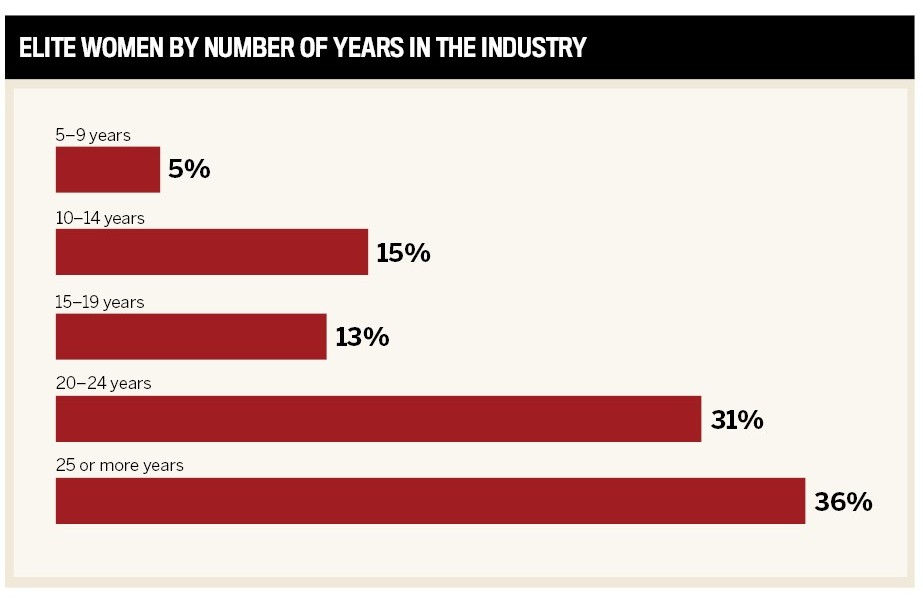
After a thorough review of all the nominations, the HRD Australia, Asia and New Zealand team narrowed down the list to the final 40 Elite Women who have made their mark in the industry.