Federal government’s record penalty shows how far ‘earnings claims’ enforcement has spread into recruiting, sales comp and the gig economy
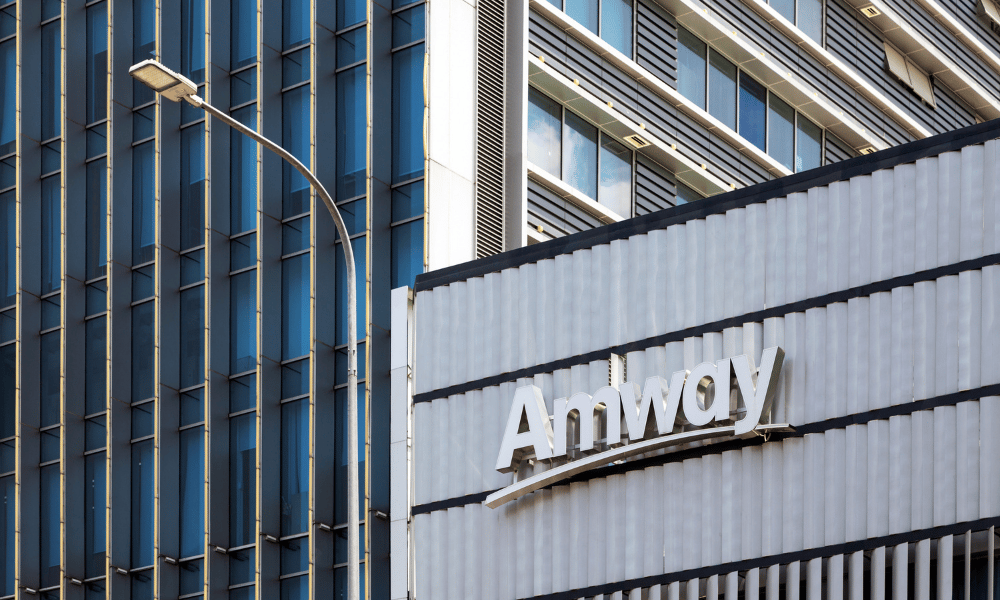
Amway Corp. and two of its recruiting affiliates have just agreed to pay $225 million to settle allegations that they lured people into the business with income promises the company's own numbers didn't actually support. The proposed order, filed jointly by the Federal Trade Commission and the Washington state attorney general's office on September 17 and still awaiting a federal judge's sign-off, is the largest monetary recovery the FTC has ever obtained from a multilevel marketing company.
For an HR audience, the headline number is the least interesting part. The complaint reads less like a story about vitamins and cleaning supplies and more like a case study in how any organization - direct seller, staffing agency, gig platform or corporate recruiting team can get into trouble when its recruiting pitch outruns its actual pay data.
And the Amway case is not an isolated action. It's the most visible entry yet in a run of FTC cases this year that all turn on the same question: can you prove the money you promised recruits is money most of them actually made?
What the FTC says Amway did
According to the FTC's complaint and press release, Amway and two of its largest recruiting networks (World Wide Group LLC and Leadership Team Development Inc.) told prospective "Independent Business Owners" (IBOs) they could realistically earn $40,000 a year or more, enough to replace a full-time income or retire early. In reality, the agency alleges, most people who joined through those two networks after 2020 spent more money on Amway products and training than they ever got back.
The complaint also describes a system built to make the pyramid look like a marketplace: IBOs were allegedly told to buy a set volume of product every month whether or not they could sell it, to spend most of their time recruiting rather than selling, and in some cases to report sales that never happened so the operation would look retail-driven rather than recruitment-driven to regulators and to Amway itself.
IBOs were also allegedly told they'd get access to an "exclusive" network of successful mentors when in practice, the agency says, the opportunity was open to anyone who followed a recruiter's script, and the mentors weren't typically high earners either.
Christopher Mufarrige, director of the FTC's Bureau of Consumer Protection, said "Amway and its affiliates misled prospective workers with false earnings claims and then pressured them to buy Amway products they were unlikely to be able to sell. Today's action makes clear that the FTC will not tolerate any company deceiving workers whether through deceptive earnings claims or by promoting reports of false sales to make direct selling or multilevel marketing opportunities look appealing to consumers."
Under the proposed order, Amway would have to rebuild the incentive structure that regulators say caused the problem: IBOs would need to resell at least 70% of what they buy each month, recruiters would earn less if their downline buys product but doesn't sell it, sales would have to be reported promptly and accurately with customer receipts, an independent auditor would review the books, and Amway would be barred from charging new recruits for training or services during their first year.
Nearly all of the $225 million is earmarked to repay affected recruits, and Amway would be required to fire — not just retrain — anyone caught faking sales or teaching others to do it.
This is bigger than one company
What makes the Amway case worth HR's attention is the pattern that the latest case is just a smaller part of. Under the FTC's Joint Labor Task Force, the agency has spent the past year building a body of cases arguing that inflated earnings claims aren't just a consumer-protection issue, they're a labor-market issue, because they pull people away from real, income-generating work.
In April, the FTC sued MLM promoter Stormy Wellington for allegedly telling recruits they'd make "no less than six figures" from the skincare company Farmasi, when the company's own 2023 income disclosure showed fewer than 1% of active participants actually reached that range; a companion complaint that same month targeted a husband-and-wife team promoting the MLM LifeWave on similar grounds.
Wellness brand Forever Living settled a near-identical case earlier this year over claims that most of its "Forever Business Owners" made little or no money despite marketing built around luxury cars and oversized checks. Even Care.com, a platform most HR teams recognize as a caregiving marketplace rather than an MLM, paid $8.5 million in 2024 after the FTC found it had advertised inflated job counts and unsubstantiated hourly earnings to job seekers.
The throughline across all of these cases is a legal standard that has nothing to do with the direct-selling industry specifically: if you tell someone what they're likely to earn, you need real data behind it, and testimonials from your best performers don't count as "typical." That standard applies just as much to a commission-only sales role, a 1099 delivery gig, a franchise opportunity or an employee referral bonus program as it does to an MLM.
Watchdog group Truth in Advertising has tracked how pervasive unsubstantiated income claims are across the direct-selling sector generally, which is part of why the FTC has signaled this enforcement wave isn't slowing down.
Where this actually touches HR
Most HR and talent acquisition leaders will never write copy for a multilevel marketer. But three things in this settlement map directly onto ordinary corporate practice.
First, job ads and recruiting collateral that cite commission potential, "average" sales rep earnings, or "up to" pay figures are earnings claims in the FTC's eyes, and they need the same substantiation an MLM now legally has to provide including real payout data pulled from actual employees or contractors, not the top performer's best month. Employee referral programs that tout eye-catching bonus figures without disclosing how rarely they're paid out sit closer to this line than most HR teams assume.
Second, the FTC's insistence on ending "buy-to-qualify" pressure and requiring prompt, accurate sales reporting is a useful gut-check for any commission or MLM-style comp plan that quietly rewards recruitment volume over genuine performance which is a structure that shows up in some franchise and staffing arrangements as well as direct selling.
Third, employees recruiting coworkers into side-hustle opportunities during work hours or through company channels is a live workplace issue, not a hypothetical one, and it sits in the same universe as the recruitment fraud and fake job postings HR teams are already being trained to spot: both rely on informal trust and incomplete information to move money or time from one person to another. A clear solicitation policy, paired with basic education on how earnings claims are supposed to work, costs a lot less than the audit Amway is now required to pay for.
Amway has not publicly responded to the FTC's allegations, and the settlement still needs a federal judge's approval before it's final. But the direction of travel is clear enough that HR and legal teams reviewing recruiting materials, referral programs or commission structures this quarter would be wise to ask the same question the FTC just asked Amway: if we had to show our real numbers, would the pitch still hold up?