Two placements, two quick exits - each one right after he complained, a lawsuit alleges
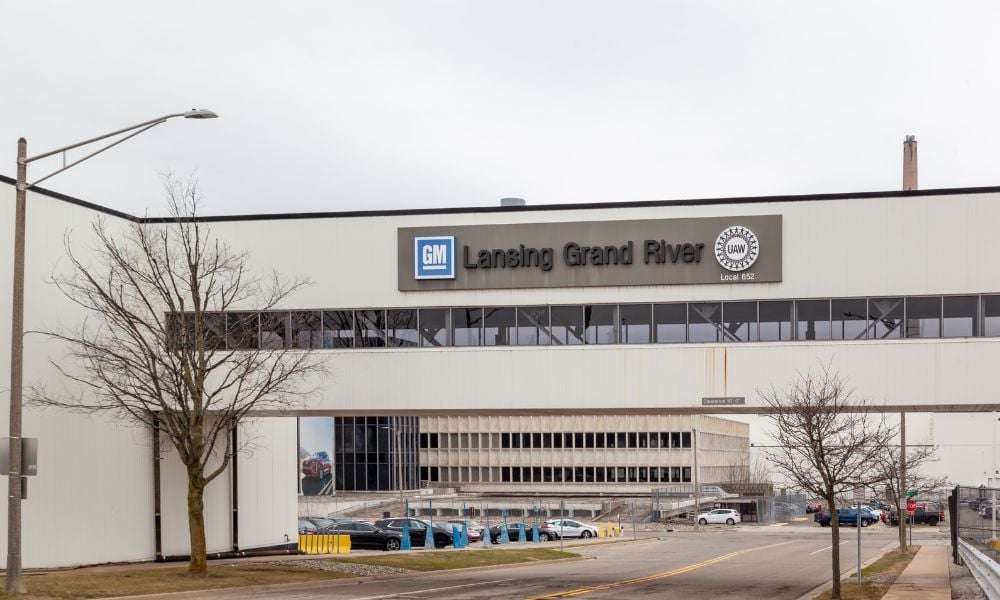
A contract worker says he was harassed over his sexuality at two General Motors sites, then dropped after he complained.
That is the heart of a lawsuit filed on July 8, 2026, in the US District Court for the Eastern District of Michigan. The plaintiff, described in the complaint as a bisexual man and a skilled automotive professional, says he was placed at two GM facilities in southeast Michigan within roughly five months - first through the staffing firm LanceSoft on a V2X services contract, then through the staffing firm ICONMA. He is suing GM, V2X, LanceSoft, and ICONMA under Title VII and Michigan's Elliott-Larsen Civil Rights Act.
The alleged pattern is what HR leaders will notice. According to the complaint, both placements ran the same way: once his LGBT status became known, coworkers began harassing him; he reported the conduct in writing; and his assignment ended soon after - while, the filing says, the people he named kept working.
At the second site, a GM facility in Clawson, the complaint says the conduct escalated from remarks mocking his orientation to comments he understood as threats. It attributes to one coworker the words "who's going to kill him." After he filed a civil-rights complaint with the state, the filing alleges, two coworkers gestured toward him and one of them used the words "hit him over the head with a hammer" and "and snap!"
The timing sits at the center of the retaliation claim. The complaint alleges that about five hours after he reported what he described as a second threat in writing - to a GM Employee Relations investigator and to GM's chief executive officer - GM directed that his assignment be "paused" immediately, pending an investigation. He was told to collect his belongings and leave, and his assignment was terminated on or about February 24, 2025. His first assignment, the filing says, ended on October 14, 2024, two days after he complained about sexual comments.
For HR functions, the joint-employer theory is the part they will watch most closely. The complaint alleges GM controlled the worksite, issued the worker a company badge and email, supervised his daily work, and ran the internal investigations - while the staffing firms hired him, set his pay, and managed contractor relations. On that footing, the filing argues that all four companies were joint employers, or employment agencies, answerable for the conduct.
The investigation record is the second takeaway. The complaint says GM opened three internal investigations, closed each as "unsubstantiated," recorded "No Action," and "returned to work" the accused coworkers - crediting their denials, it alleges, over the worker's dated written reports. It also claims that concerns about his "performance" surfaced only after he engaged in protected activity, and that the Indiana Department of Workforce Development had earlier found he "was not discharged for just cause" in connection with the first termination.
The worker is seeking back pay, front pay, compensatory and exemplary damages, punitive damages, interest, attorney fees, and an order requiring the companies to put effective anti-harassment and anti-retaliation policies in place for contingent and staffed workers at GM sites.
The allegations have not been tested in court. As of filing, no court has ruled.