Two internal bodies ruled her termination unjustified—leadership proceeded anyway
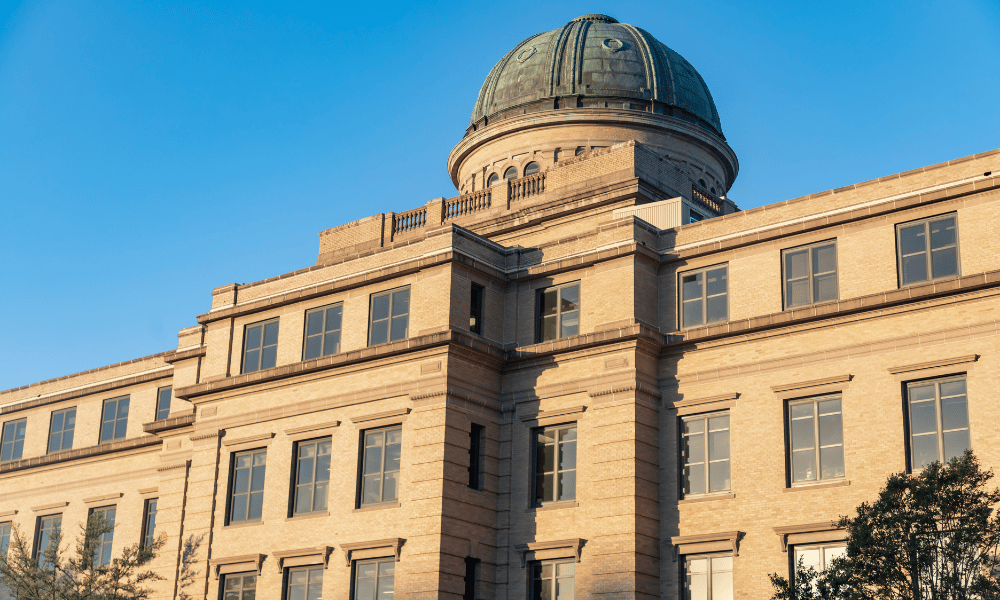
A university's internal review committee voted 8-0 that a professor's firing was unjustified. Leadership went ahead with it anyway.
Dr. Melissa McCoul spent nearly eight years building her career at Texas A&M University. She was a senior lecturer in the English Department, known for popular children's literature courses that filled within hours of registration opening. Her most recent evaluation noted she "exceeded expectations." She had never been reprimanded.
Then, according to a federal lawsuit filed on February 4, she was terminated by email—from an administrator she had never met—on the same day Texas Governor Greg Abbott publicly called for her firing on social media.
The lawsuit, filed in the U.S. District Court for the Southern District of Texas, offers a case study in what can go wrong when external pressure collides with internal process.
The trouble began in summer 2025, when McCoul taught a course exploring themes of gender identity and sexual orientation in children's literature—topics she maintains were consistent with the syllabus and approved course objectives. A student posted a slide from class to social media. The post went viral. Politicians weighed in. Abbott's post demanding her termination drew 2.2 million views.
According to the lawsuit, the university moved fast. McCoul was dismissed that same day. There was no notice of intent. No written charges. No opportunity to respond. When Provost Alan Sams was later asked why no hearing took place beforehand, he allegedly replied: "I was told not to do a hearing by my superiors."
What followed made the situation more striking. McCoul exercised her right to appeal, and the university's Committee on Academic Freedom, Responsibility, and Tenure held a full-day hearing in November. The eight-member panel reviewed documents and heard testimony from university officials. Its conclusion was unanimous: the university had not met its burden of proof on any of the three grounds cited to justify the termination.
The committee noted that multiple university witnesses acknowledged proper procedures had not been followed. It found no documentary evidence that an investigation had been conducted, and no evidence that directives had been clearly communicated to McCoul.
Leadership rejected those findings. Interim President Tommy Williams declined to accept the committee's recommendation. Chancellor Glenn Hegar passed the final decision to Vice Chancellor for Academic Affairs James R. Hallmark, who upheld the termination on December 19.
Separately, the university's Academic Freedom Council concluded that McCoul "was fired for the content of her class" and that even if every procedural step had been followed, her termination would still constitute a violation of academic freedom.
McCoul is now suing the Texas A&M University System, members of its Board of Regents, and several university officials. She alleges First Amendment retaliation, due process violations, and breach of contract. She is seeking reinstatement, back pay, and damages.
No final determination has been made in the case. But for HR professionals watching from the sidelines, the situation presents an uncomfortable question: what happens when your own internal process tells you a termination was wrong—and you proceed anyway?