New report reveals an 'ethical crisis' facing workplaces today

Experts are warning about "systemic failure" in internal reporting processes as a new report revealed widespread retaliation fears among employees who witness misconduct in the workplace.
The research, released by law firm Outten & Golden LLP, revealed that 22% of respondents have witnessed or are aware of illegal or unethical conduct at work.
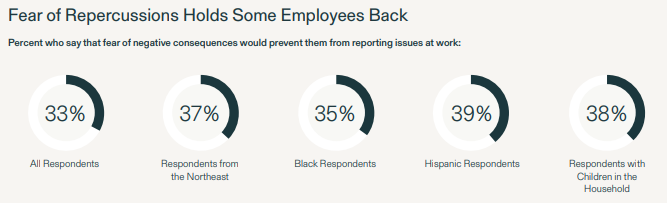
However, 33% of them remain silent amid fear of negative consequences from reporting these issues.
 Tammy Marzigliano, partner and co-chair of the firm's whistleblower and retaliation practice, warned that the situation is not just a red flag, but a "systemic failure."
"If employees believe that speaking up at work comes with a personal cost, employers should be worried," Marzigliano said in a statement.
"Companies that fail to build cultures of trust and accountability are not only risking legal exposure – they are undermining their own long-term success."
The findings come as workplace misconduct soared to a nearly seven-year high in 2025, with more complex cases rising, according to a separate report from HR Acuity.
Similarly, HR Acuity's data noted that there are still gaps in reporting despite more employees speaking up, with 22% of its respondents saying they remained silent when they experienced or witnessed harassment.
Fear of retaliation also emerged as one of the top factors behind unreported incidents of misconduct in the workplace, based on the findings.
Government's reporting channels
In the US, the government has a whistleblower programme that aims to offer critical protection to employees who want to report misconduct at work.
The problem, however, is the lack of awareness among employees about the whistleblower programme, with more than four in 10 saying they did not know that such a scheme existed.
"Government whistleblower programmes give employees something many workplaces still fail to provide: a safe path to speak the truth," said Dave Jochnowitz, co-chair of the whistleblower and retaliation practice.
"Internal systems often fail. When they do, these programmes help restore balance and ensure misconduct does not go unchecked. When employees know they can report fraud confidentially and with legal protections behind them, they become an essential first line of defense against corporate wrongdoing."
Ethical crisis in workplaces
The findings point to a potential ethical crisis in workplaces, according to the report, which also identified a disconnect on organisations' diversity programmes.
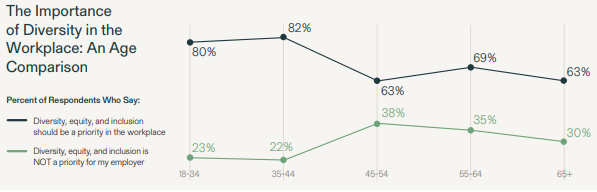
Nearly three in four (73%) respondents believe that diversity, equity, and inclusion should be a workplace priority.
However, 28% said their employer does not treat it as one.
 These findings come as DEI programmes dropped in employers' list of priorities this 2026, according to a separate Littler report. This followed a surge in recent corporate withdrawals on DEI measures amid a crackdown from US President Donald Trump's administration.
Fear of retaliation at work and disconnected DEI policies made experts conclude that workplaces are suffering from an "ethical crisis."
This underscores the need for organisations to strengthen ethical leadership, as well as reinforce credible anti-retaliation protections, and maintain commitment to DEI programmes.
"Without meaningful reforms, employers risk increased legal and regulatory exposure, diminished employee trust, and serious reputational harm," the report read.
"Ultimately, this will impact customers, investors, and the public at large. We must do better. And we can."