A bottle hung like a noose, a pizza party that excluded Black workers, and a firing
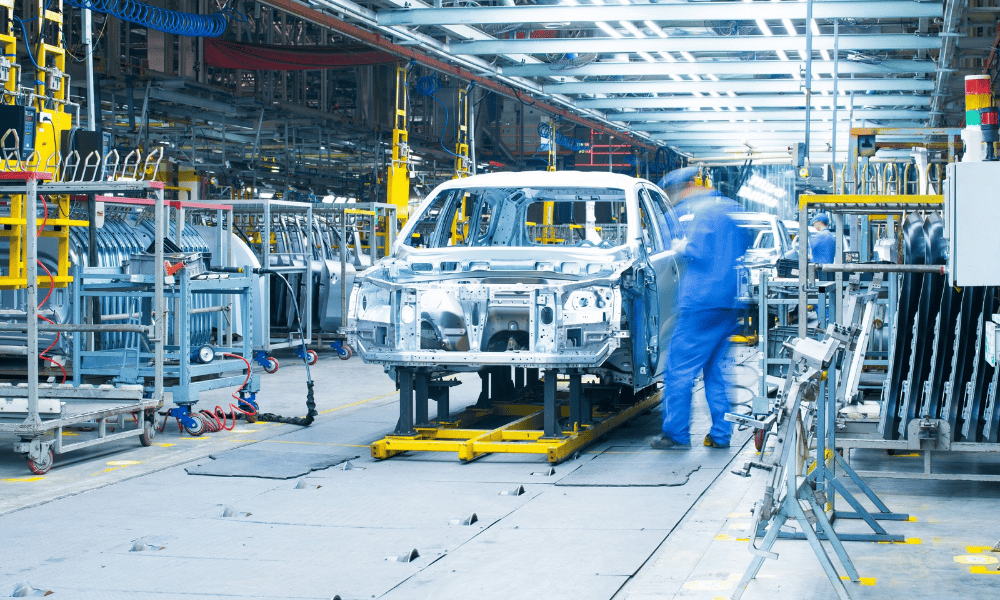
A GM factory worker has sued the automaker, alleging race and sex discrimination and retaliation.
The complaint, filed October 14, 2026 in the US District Court for the Middle District of Tennessee, claims the worker - a Black woman employed as a production group leader at General Motors' Spring Hill manufacturing facility - was treated far worse than white and male colleagues throughout her time at the plant.
GM's Spring Hill complex in Maury County is one of the automaker's largest US operations, building several Cadillac models alongside engines and stampings.
The worker started at the plant in October 2019. Her role in the General Assembly department meant overseeing shift conditions, opening work orders, handling staffing needs, coaching hourly team members, running disciplinary interviews, managing grievances, and working with union partners.
She was the only Black woman group leader in the department, the complaint states.
From there, the allegations stack up fast. The filing claims GM consistently assigned her to underperforming departments and that she was the only group leader shuffled between departments and put in charge of more than one at a time. She took on work that white and male peers did not - preparing employees for audits nobody had prepped for, managing multiple teams, and working on scheduled days off, the complaint alleges.
Despite that extra load, the filing claims GM cut her out of salary increases and bonuses. It also says she was denied professional development, advancement training, and the chance to work overtime - opportunities available to similarly situated white and male employees.
She applied for promotions. Never selected, never even interviewed, the complaint says.
The contrast with her peers runs through the whole filing. A white male employee who started at GM the same time as the worker got promoted, the complaint alleges - even though he had received multiple complaints and been suspended for an altercation with a colleague. Other white male employees with performance issues were promoted or reassigned to keep their jobs, the filing says. The worker was passed over.
Then there was the shift coverage. The complaint alleges GM asked the worker to come in early to cover for a white male group leader who was incarcerated. She agreed for a few weeks. When he was released, according to the filing, he returned to work and was eventually promoted.
The complaint details a long trail of internal reports. Between February 2024 and April 2025, the worker made complaints through GM's ethics hotline - the Aware Line - to the company's HR department, and to her managers.
Some of those reports involved conduct the filing describes in blunt terms. The worker complained that her shift leader organized a pizza party for white employees while excluding Black employees. She reported an employee grabbed her arm and left a bruise. He was on her own team, and the worker says she flagged him for discipline - but the complaint alleges GM took no action, instead letting the employee take a leave of absence.
She complained about threats and physical touching. She raised safety concerns. She reported union stewards stationed at her desk every morning when she arrived, and said she felt intimidated. Then, the complaint alleges, she found a bottle of liquor hung from her desk "similar to the style of a noose."
The filing describes other acts by union employees - vandalizing her workspace, photographing her while she worked, telling people where she lived.
At one point, according to the complaint, an employee in a meeting was griping about work when another employee suggested he could "get a make a noose" to put the employee out of his misery. After the comment, the filing says, the employee looked at the worker.
None of it went anywhere, the complaint alleges. GM did not address her concerns. When similar incidents involved white and male employees, the filing claims, the company investigated and took disciplinary action. For the worker, nothing.
Instead, the complaint says, GM escalated against her. In her 2024 year-end performance review, the company gave her a rating of 2 - "Partially Meets Expectations." In her written acknowledgment of that review, the worker noted she had made numerous requests regarding standardized work that went unaddressed, that she had no support from her shift leader and area manager, and that leadership "failed to be inclusive and treated employees differently based on skin color."
The company then issued her a Letter to File - a formal disciplinary notice kept in personnel records - for an incident from January 2024, according to the filing. The letter did not come until months later, and only after the worker had made repeated complaints about discrimination.
In April 2025, GM terminated her employment. The company cited her performance, lateness for meetings, poor behavior, inability to work effectively within the team, and inappropriate responses to feedback, the complaint states. The filing alleges those reasons are not supported by objective standards and that GM had characterized the worker using language the complaint calls "racially charged" - including "unpredictable," "confrontational," and "difficult."
The worker brings four federal claims: race and sex discrimination under Title VII, race discrimination under Section 1981, and retaliation under both statutes. She seeks back pay, compensatory and punitive damages, reinstatement, and attorneys' fees.
For HR teams at large, unionized employers, this filing reads like a textbook on what happens when an internal complaint trail becomes the retaliation claim itself.
The allegations have not been tested, and no court has made any findings or rulings on the merits.