
Two requests ignored, then a swift termination — HR leaders, take note
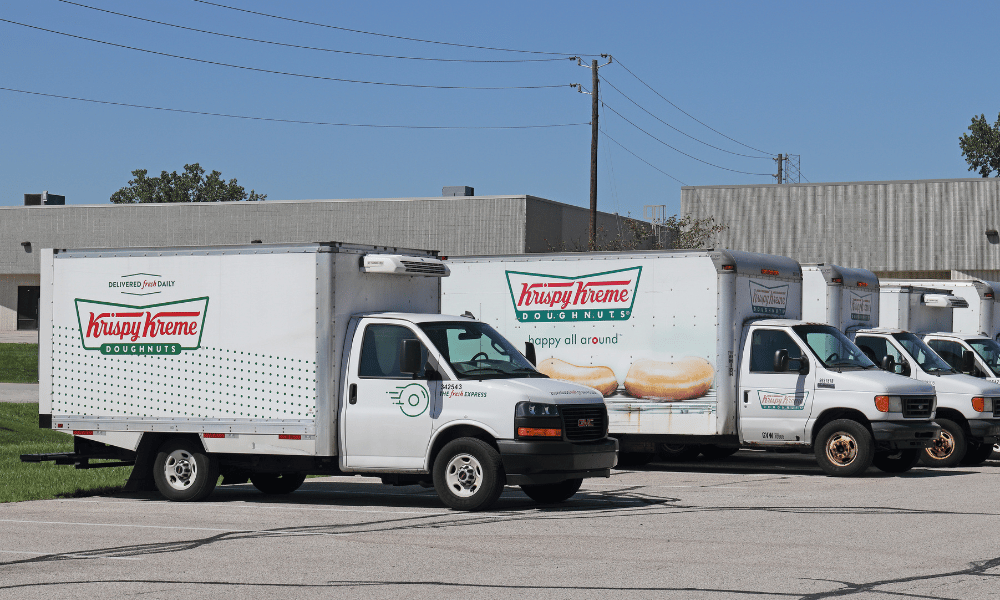
Krispy Kreme is being sued by a former driver who says the company ignored his disability accommodation requests — twice — then fired him.
Tyshawn Robinson, a former Route Delivery Driver at Krispy Kreme's Raleigh, North Carolina location, has filed a federal lawsuit alleging the doughnut chain failed to accommodate a heart condition, refused to engage in any meaningful dialogue about his needs, and ultimately terminated him in retaliation for asking.
The case, Robinson v. Krispy Kreme Doughnut Corporation (Case No. 5:26-cv-00160-BO, E.D.N.C.), was filed on March 13, 2026. No determination has been made on the merits, and the claims remain unproven.
According to court filings, Robinson underwent heart surgery in 2020. The aftereffects, he says, limit his ability to walk, stand, lift, bend, reach, and work — but did not prevent him from performing the essential functions of his job. What he needed was a schedule adjustment: a four-day work week with two consecutive days off instead of five straight days.
He first raised the issue on or about August 10, 2024, directing his request to Jean Hawkins, his direct supervisor. Hawkins, the filing states, had authority over scheduling, hiring, firing, and discipline. Despite that authority, Robinson alleges nothing changed. No conversation about alternatives. No assessment of whether the request would strain operations. No documentation of any kind. Hawkins simply kept scheduling him for five days a week.
Robinson tried again. In or around October 2024, he received a doctor's note requesting work with two consecutive days off and submitted it on or about October 23, 2024. Once more, he alleges, Krispy Kreme did not engage in any interactive process, did not evaluate hardship, and failed to accommodate his disability.
Less than a month later, on or about November 21, 2024, Krispy Kreme let him go. The stated reason, according to the filing, was attendance and performance. Robinson says that explanation does not hold up — he attended his shifts, covered for other employees, notified supervisors in advance when he could not work, and maintained a professional demeanor with clients. He alleges the real reason was his disability and the fact that he asked for help.
The lawsuit brings three claims under the Americans with Disabilities Act: discrimination based on disability, failure to accommodate, and retaliation. Robinson is seeking reinstatement, compensatory damages in excess of $25,000 per claim for physical injury, physical sickness, lost wages, emotional distress, and other consequential damages, punitive damages in excess of $25,000, and attorneys' fees.
What makes this case worth watching for HR leaders is not the legal theory — it is the operational breakdown. The filing describes a situation where an accommodation request landed with a frontline supervisor and, according to the allegations, no one at Krispy Kreme engaged in any interactive process. There was no documented dialogue, no hardship analysis, and a termination that followed closely behind a doctor-supported request.
None of this has been proven in court. But the pattern described in the filing is one that HR teams across industries would do well to pressure-test against their own processes — before a similar situation lands on their desk.


