
He asked for a retest. His supervisor offered to vouch for him. It didn't matter
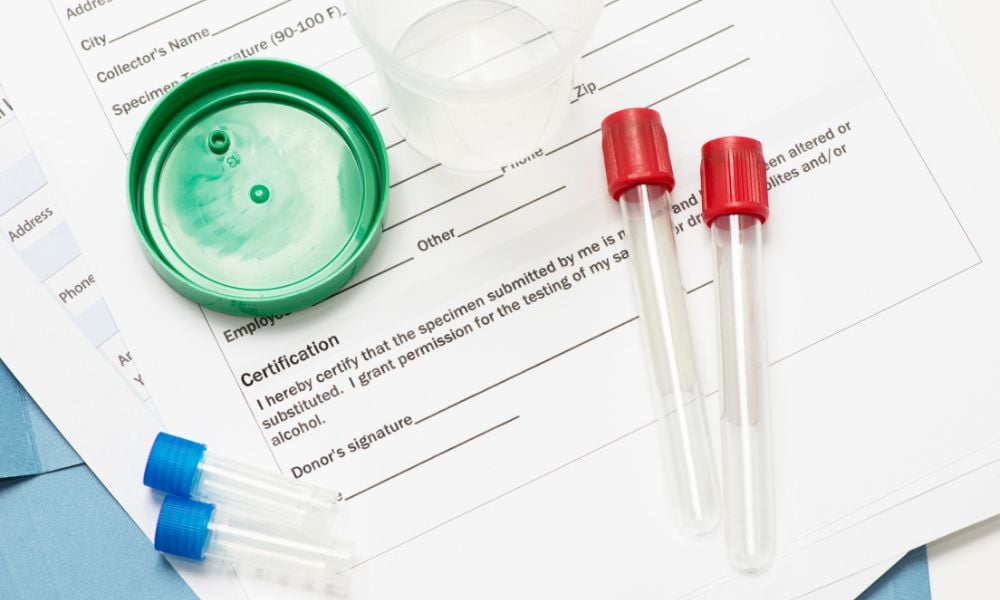
A flight instructor says he was fired over an alcohol test that came back positive—despite medical conditions he claims made the result unreliable.
Daniel Taylor, 71, has taken FlightSafety International to federal court, alleging the company dismissed him three days after a drug and alcohol screening he maintains produced a false positive. The lawsuit, filed January 15 in the U.S. District Court for the Southern District of Georgia, paints a picture of an employer that, according to Taylor, ignored its own protocols and moved swiftly to end his eleven-year tenure.
Taylor spent decades flying for American Airlines before joining FlightSafety, where he trained students using flight simulators. According to court documents, the company had long been aware of his health conditions, including GERD and diabetes, as early as 2021. Over the years, he also underwent eye surgeries and treatment for prostate cancer, taking medical leave for both. Then, in November 2024, he suffered a mild stroke and was again out on leave.
What happened next sits at the heart of the dispute.
On December 10, 2024, with just one day's notice, Taylor was required to take a drug and alcohol test. The result came back positive for alcohol—a result Taylor insists was wrong. He had never failed such a test during his time at FlightSafety, including the numerous screenings he completed while employed there.
Here is where HR professionals may want to pay close attention: Taylor contends that both GERD and diabetes are widely known to trigger false positives in alcohol testing. He further claims that FlightSafety's own policy provides for retesting or additional evaluation when medical factors may have skewed results. He asked for that retest.
His supervisor, Allen Standfield, the company's Director of Training, even offered to put in writing that he had seen Taylor on the day of the test and observed nothing to suggest he had been drinking.
None of it mattered, according to the lawsuit. FlightSafety terminated Taylor on December 13, 2024. A younger man with no known disabilities stepped into his role.
Taylor is now pursuing claims under the Americans with Disabilities Act, the Family and Medical Leave Act, and the Age Discrimination in Employment Act. He is seeking lost wages, reinstatement or front pay, and damages.
No court has ruled on the merits. FlightSafety has yet to respond publicly to the allegations.
Still, the case underscores a tension many employers face: how to administer workplace drug and alcohol testing when employees have medical conditions that may complicate results. For HR teams, it is a reminder that policies on paper mean little if they are not followed in practice—and that the failure to do so can land an organization in litigation.


