A federal watchdog found Lori Chavez-DeRemer misused funds, tasked staff with personal errands and had an inappropriate relationship with a security agent
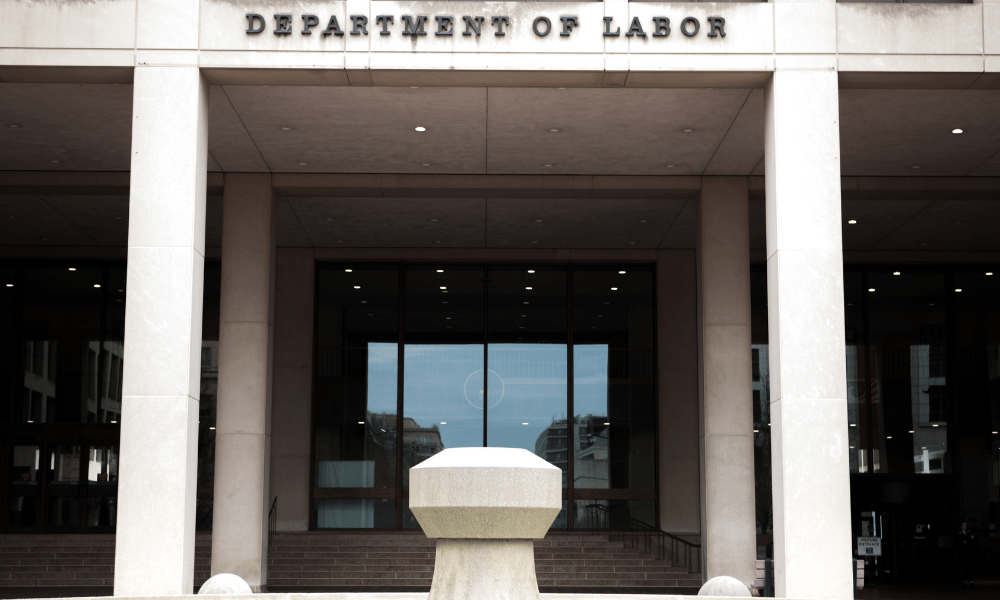
Former Labor Secretary Lori Chavez-DeRemer violated multiple federal workplace and ethics policies during her tenure, creating a culture that dozens of employees described as toxic, intimidating, and humiliating, according to a U.S. Department of Labor watchdog report released on Thursday.
Chavez-DeRemer, a Republican who represented Oregon in the U.S. House of Representatives before leading the department from March 2025 until her resignation in April 2026, is accused in the report of misusing government funds for personal travel, violating the department's alcohol policy on federal property and accepting undisclosed gifts, according to the Labor Department's Office of Inspector General.
Toxic culture, misused funds detailed in federal probe
The investigation began in January 2026 after an anonymous whistleblower complaint alleging misconduct by Chavez-DeRemer and her senior aides. Her chief of staff and deputy chief of staff were placed on leave shortly after the complaint became public and were later forced out as the inquiry expanded.
More than three dozen current and former Labor Department staffers told investigators their experience working under Chavez-DeRemer was "toxic, intimidating and humiliating," according to the report.
The report said Chavez-DeRemer and her top aides often drank during office hours, and when other staff members declined, the officials pressured them to participate or mocked them for abstaining. The tone was set early, according to the report, when Chavez-DeRemer hosted a party at the department's headquarters on her birthday, where political staff mingled and drank wine.
Investigators, who reviewed hundreds of documents, images and videos and interviewed dozens of witnesses, also examined Chavez-DeRemer's relationship with a member of her security detail. The report said the two "developed and maintained an inappropriately close and unprofessional relationship," though it stopped short of concluding the relationship was romantic or sexual.
During a personal trip to Oregon in April 2025, the report said, Chavez-DeRemer directed a driver to stop at a club featuring partially nude dancers and to come inside with her and the agent. She then asked the agent to "drop the bills one by one onto the partially nude woman," despite his hesitation.
Investigators also scrutinized a cross-country tour Chavez-DeRemer called "America at Work," finding that some stops included only one or two brief official engagements while personal travel costs were billed to the government.
The report also found that Chavez-DeRemer accepted gifts without reporting them through required ethics channels, including an alligator-hide wallet, work boots, cowboy hats and baby gifts. Investigators said she repeatedly directed staff to perform personal tasks during work hours, including traveling to her residence to organize her bedroom closet and photograph the completed work.
Attorney denies any legal violation
Nick Oberheiden, Chavez-DeRemer's attorney, disputed the report's characterization of her conduct.
"Secretary Chavez-DeRemer did not violate any law," Oberheiden said in a statement.
Oberheiden said Chavez-DeRemer's resignation in April was a personal decision unrelated to the allegations. The Labor Department did not immediately respond to NBC News' request for comment on the findings. Keith Sonderling, the department's acting secretary, is awaiting Senate confirmation to permanently lead the agency.
What the findings signal for HR leaders
This case offers a pointed lesson in leadership accountability at the highest levels of an organization. Investigators noted that witnesses felt pressured to join workplace drinking or were mocked for declining, a dynamic that closely tracks how courts define a hostile workplace culture in employment litigation. HR leaders overseeing executive conduct policies may also want to revisit how HR teams respond when harassment complaints go unanswered, since prompt intervention often determines whether a workplace crosses a legal threshold.
The report's findings on personal conduct also carry weight beyond government agencies. Recent case law has continued to raise the bar for holding individual executives personally liable for tolerating harassment, a distinction that increasingly shapes how boards and general counsel evaluate risk when a senior leader's conduct comes under scrutiny.
Undisclosed gifts and blended personal and official travel point to a compliance gap that isn't unique to government agencies. Private-sector HR and ethics teams that lack clear reporting channels for gifts, travel reimbursements and blurred personal-professional boundaries face similar exposure when a senior leader's conduct eventually surfaces.
With files from The Associated Press