HR leaders face tough decisions on contributions, plan design and funding alternatives as costs surge
The math is becoming impossible to ignore. Employer healthcare costs are projected to rise 9.5 percent in 2027 – the fourth consecutive year of near-double-digit increases – pushing average spending above $19,000 per employee, according to research from Aon published by the Society for Human Resource Management (SHRM) in August 2026.
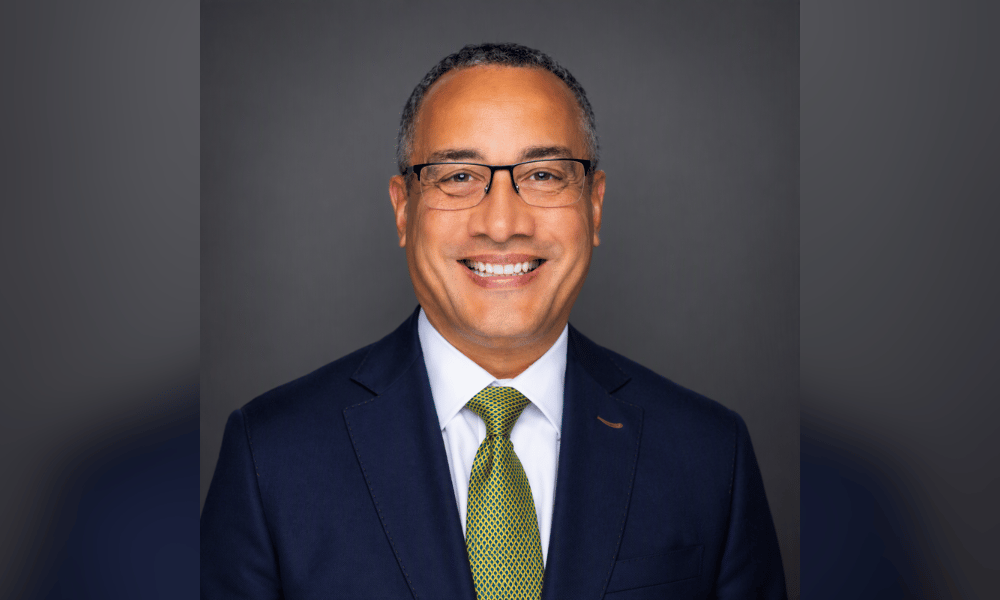
"You look at that and you say, that's not sustainable," said Ted Jordan, Managing Vice President and General Manager of Paychex Insurance Agency in Rochester, New York. "What's going to be the tipping point or the breaking point if we haven't already gotten there?"
The decisions HR leaders can no longer defer
Jordan works daily with the HR teams and business owners of small and mid-sized U.S. employers – the sub-100 segment where cost pressures are felt most acutely and benefits budgets have the least cushion. What he is seeing this open enrollment season reflects a broader reckoning across the market: 85 percent of employers are currently considering increasing employee contributions to their benefits plans, as shown in recent HRD reporting.
That figure carries real workforce implications. Shifting more cost to employees may ease near-term budget pressure, but it risks undermining the retention value that group benefits have traditionally delivered, particularly at a time when talent competition remains fierce.
"All that stuff kind of goes together with what do you offer, what's going to add value, what's going to give you the employee retention stickiness that benefits traditionally give," Jordan told HRD. "How do you find a sustainable path?"
The Business Group on Health projects that from 2018 through 2027, cumulative healthcare costs will have risen 76 percent – more than double the rate of general inflation over the same period. It is a structural shift that demands a structural response.
What HR teams need to understand about funding alternatives
One of the most urgent priorities Jordan identifies for HR leaders heading into 2027 is education – for employees navigating benefit choices and for HR teams themselves when it comes to the full spectrum of funding options available to them.
Many small and mid-sized employers are still operating on fully insured plans without having meaningfully evaluated the alternatives: level-funded arrangements that offer cost predictability and potential savings, professional employer organizations (PEOs) that pool risk across employer groups, or individual coverage health reimbursement arrangements (ICHRAs) that give employees a defined contribution to purchase their own coverage.
"Just making sure that you have the opportunity to educate. While one of those decisions and one of those paths may or may not be the right decision right now, how do you start making people more familiar with what some of those options are," Jordan said.
On ICHRAs specifically, Jordan is supportive but measured. He views the model as viable for the right employer – not a universal fix – and stresses that the HR function's role in implementation is critical. Without adequate education and ongoing support for employees navigating individual markets, the model can quickly become a source of confusion and dissatisfaction.
"It just can't be something that you do like a drop and run," he said. "You have to make sure you provide the right level of support and care throughout that model."
The complexity burden on employees
Beyond the funding question, Jordan points to a challenge that sits squarely in HR's remit: the growing complexity of benefits decision-making for employees.
The explosion of plan options, supplemental benefits, and voluntary offerings has created an environment where uninformed choices lead to bad outcomes – and where employees increasingly need more than a digital enrollment portal to make confident decisions.
"Knowing what the right off-ramp is from technology to actually human-based support is critical," Jordan said. "We continue to hear that from employers. We continue to hear that from their employees."
Employee benefits communication and decision-support strategies are becoming as important as plan design itself and in a market where healthcare costs are rising at twice the rate of inflation, the HR teams that get this right will be the ones best positioned to protect both their people and their budgets in 2027.