He slept on sacks of farm chemicals and could not identify a single one
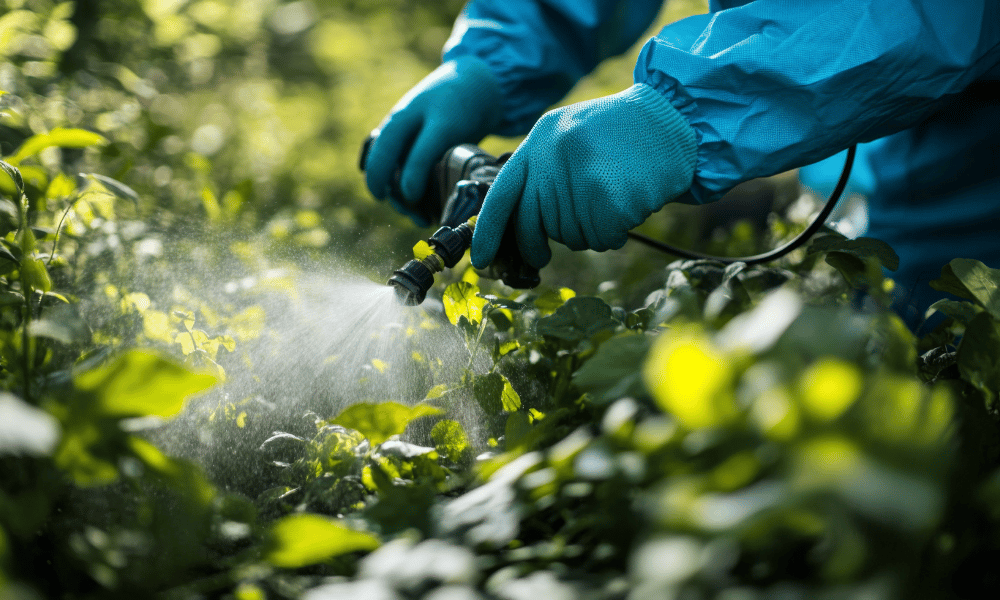
A worker who never touched pesticides can still sue over the damage they caused, Hawai'i's top court has ruled.
The Hawai'i Supreme Court on September 21 affirmed a lower appellate decision reviving claims by Central and South American plantation workers against Dow Chemical Company and Del Monte Fresh Produce N.A., Inc. The workers alleged injuries from exposure to dibromochloropropane - a powerful pesticide known as DBCP - used on banana farms run by a Del Monte subsidiary in Costa Rica during the early 1970s.
The case turned on one worker in particular. From 1971 to 1973, he worked as a quality fruit inspector for Bandeco, a Del Monte subsidiary. He rotated through eighteen farms, worked up to seven days a week, and regularly entered packing facilities where bananas arrived from DBCP-treated fields.
He never applied the pesticide, never saw it applied, and could not identify a container of it.
But the circumstances told a different story. On rainy days or when deliveries ran late, he and other inspectors slept in warehouses where farm chemicals were stored - on sacks of those substances. He occasionally walked the fields with farm management. And Del Monte's own records confirmed Bandeco injected a 50 percent diluted DBCP solution into each plant across 1,400 to 1,800 plants per acre, twice yearly, in two-month application cycles.
The worker and his wife eventually had two daughters, but between 1977 and 1983 she suffered three miscarriages with no medical explanation. He died in November 2023 while the case was still pending.
A toxicologist retained by the plaintiffs concluded the worker's infertility and his wife's miscarriages were "consistent with the known toxic effects of DBCP exposure in humans," likely caused by inhalation and skin contact in the packing facilities, fields, and storage warehouses.
The trial court threw out the claims. The intermediate appellate court reversed. The supreme court affirmed that reversal - then went further, adopting a new causation framework for toxic tort cases drawn from the Restatement (Third) of Torts. The test evaluates three things: exposure to the toxic agent, general causation, and specific causation. The court declined to require proof of specific dosage, holding that circumstantial evidence of exposure is enough to survive summary judgment.
For employers managing workforces around hazardous substances, the decision means indirect exposure - working near treated areas, sleeping in chemical storage spaces, walking through fields after application - may be enough to ground a claim without proof of direct handling.