What should HR do if a similar situation happens at work?
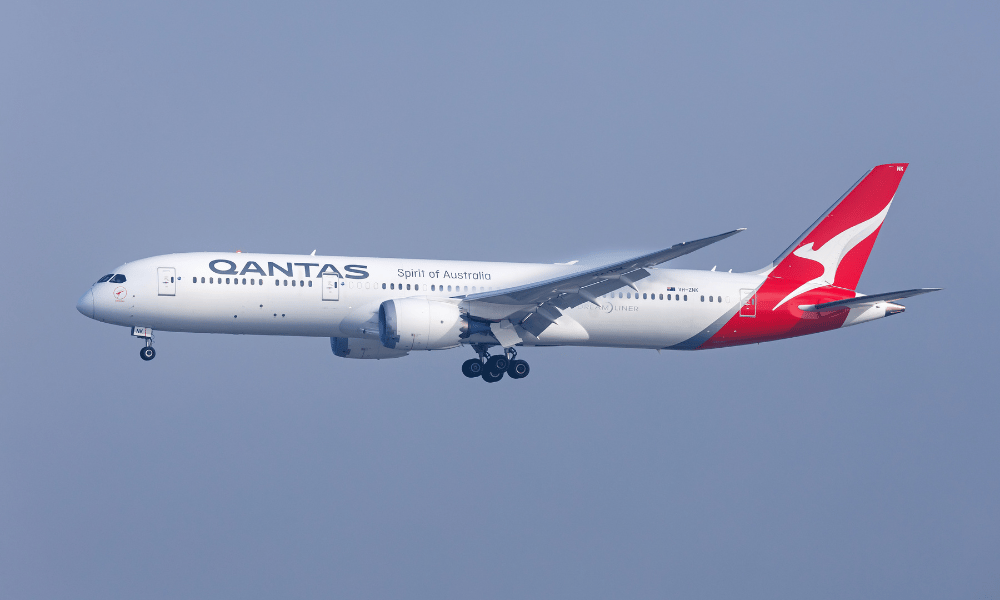
An Australia-bound flight had to be cancelled on Saturday following an outbreak of bedbugs on the plane, an incident that raises questions about how employers should respond when pests turn up at work.
Australian flag carrier Qantas had to ground a Boeing 787 Dreamliner on Saturday for a "deep clean" after some passengers complained that they were being bitten by bugs.
The flight was originally bound for Australia from Italy on a nearly 17-hour journey before it was cancelled.
A spokesperson for the Australian airline issued an apology for the inconvenience, with the company offering affected passengers accommodation and alternative flights.
"We sincerely apologise to customers for the cancellation of Saturday's Rome to Perth service, which allowed our engineers and maintenance teams to carry out a deep clean of the aircraft after an issue was identified on a small number of economy seats," the spokesperson said, as quoted by the BBC.
Bedbugs are small, wingless insects that feed on the blood of people and animals, according to WebMD. They usually hide in mattresses and beds, especially in their crevices, as well as in the cushions of sofas, chairs, and other furniture.
Pest infestation at work
Incidents of bedbugs in the workplace can happen, especially as more employees return on-site after years of working from home.
The incident at Qantas underscores that bedbugs can also be brought into the workplace, even when that workplace is in the air, sparking safety concerns for customers and even employees.
Littler, a global law firm, offered advice in 2018 on what employers can do if a bedbug infestation is brought into the workplace.
"The real task for employers is to expediently eradicate the bedbug infestation in a manner that is consistent and fair to those affected," it said in its advice, which was republished in 2022.
"Employers should promptly contact a certified pest management professional to confirm the presence of bedbugs and plan an appropriate extermination process."
It also suggested communicating the situation to all employees, while urging staff to avoid making accusations and stressing that such comments are neither welcome nor productive.
"If your company does not already have a policy concerning pest infestations, it might be a good time to develop and formalise a practice," it added.
Safe Work Australia, in previous guidance, added that the most effective way to control risks is to eliminate the risk of exposure to the biological hazard in the workplace.
This may include ensuring there are no pest animals or insects in the workplace through regular pest extermination or prevention.
"Where elimination is not reasonably practicable, the hierarchy of control measures should be applied to identify the most effective and reliable control measures to minimise the risk as much as is reasonably practicable," it said.