Safety audits and on-site reps were not enough to shift liability
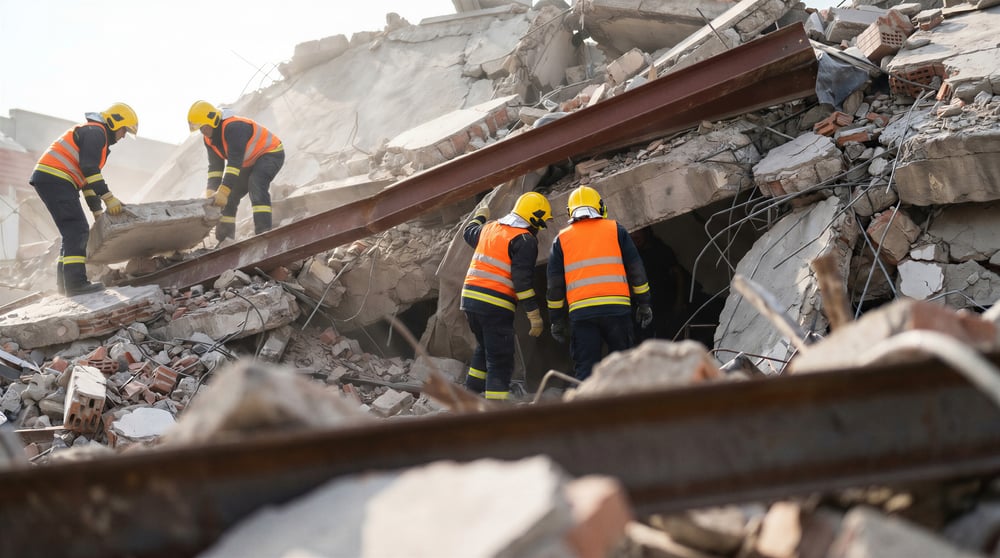
A 29-year-old demolition worker died after a catwalk collapsed at a shuttered Pennsylvania power plant.
The worker was employed by North American Dismantling, the contractor hired to tear down the Hatfield’s Ferry Power Station in Carmichaels, Pennsylvania. FirstEnergy had shut down coal generation at the plant in 2013 under Environmental Protection Agency pressure. By the time demolition started in 2022, the facility had been closed nine years. The job meant bringing down cooling towers around 500 feet high and emissions stacks reaching 700-plus feet.
On September 28, 2022, the worker was dismantling a metal catwalk on one of the smokestacks when it failed and collapsed. He fell 40 feet, suffering what the court described as “catastrophic” and “horrifically painful” injuries. He died at a West Virginia hospital. He was 29 and survived by two young children.
His mother filed a wrongful death action in June 2024, arguing FirstEnergy Service, FirstEnergy Corp., and plant owner Allegheny Energy Supply retained enough control over the demolition to owe her son a duty of care. The district court dismissed. On October 14, 2026, the Third Circuit affirmed 2-1.
Two Pennsylvania doctrines did the heavy lifting. The first: when a company hires an independent contractor, it generally owes no duty to that contractor’s workers unless it retains detailed control over how the work is done - not just what gets done. The second: a landowner owes no duty to protect against dangers that are open and obvious.
The court found the complaint fell short on both. The demolition contract designated the contractor as independent, “alone liable and responsible for the manner and methods by which the Work was performed” and “solely responsible for the safety and health of its employees.” FirstEnergy had assigned a project manager, enforced safety manuals, and conducted audits - but under Pennsylvania law, that is standard oversight, not retained control.
On the landowner claim, the court held that demolishing an industrial facility shuttered for nine years presented risks apparent to anyone exercising normal judgment.
The dissent warned the majority was applying post-trial evidentiary standards at the pleading stage, calling it “a heightened pleading standard for independent contractor cases that I fear will stifle worthy claims.”
For HR and safety teams managing contractors on-site, the practical line is clear: safety oversight and contract specs alone do not make the hiring party liable for how the work gets done - though the split decision suggests that boundary remains contested.