The deal was supposed to keep the peace - one banquet speech tested its limits
A company described a departing executive's conduct as "mistreatment" at a banquet. A court ruled the word was too vague for defamation.
The Utah Court of Appeals affirmed the dismissal on September 11, 2026, rejecting all four claims the founder of employee benefits firm GBS Benefits had brought against his former company, the Leavitt Group, and the group's chief executive.
The case sits squarely in the space HR teams navigate after a difficult senior exit: how much can the company say publicly, and where does a non-disparagement clause draw the line?
The plaintiff founded GBS in 1989 and led it until stepping down as CEO in April 2021. The Leavitt Group, which had taken a majority stake in 2006, kept him on. In early 2023, employees told his successor they had "concerns that [he] was tough, intense, and demanding." An outside firm investigated, and GBS let him go effective June 30, 2023.
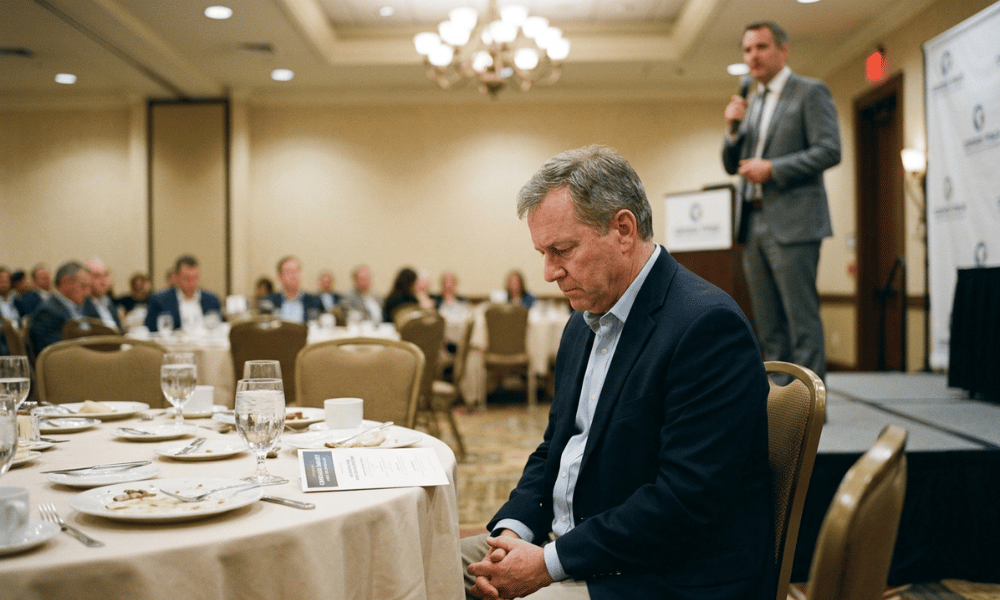
At a June 2024 conference banquet attended by about 800 people, the group's CEO honored the new leader and described "a series of deeply unfortunate interactions" involving "the former CEO" and staff who had "reached the breaking point" over "mistreatment." The company, he said, followed "a careful process prescribed by HR policies" before it "had no other choice but to immediately part ways" with him.
The former CEO argued the speech accused him of sexual misconduct, especially read alongside an earlier town hall where his successor had labeled his conduct a "me-too moment." The judges disagreed. The speaker never said "sexual," and vague references to "mistreatment" could describe almost any reason a company parts with an executive, they held. He never pointed the banquet audience back to that town hall, held a year earlier to a different crowd, and no overlap between the two rooms was ever alleged.
The non-disparagement clause in a December 2023 settlement between the parties proved equally narrow. It barred only "maliciously untrue defamatory, libelous, or slanderous statements." The trial court observed that if the parties "truly wanted peace, they should have contracted for an actual non-disparagement clause" rather than one that let each side "negligently publish defamatory statements about the other."
The appeals court agreed the clause reached no further than its text. His false light and breach-of-contract claims fell with the defamation claim. The court also refused to read a broader duty of silence into the settlement through the implied covenant of good faith. A late bid to amend, buried in an opposition brief rather than filed separately, was also refused.